
St. Jean Pied de Port to Honto: Day 1 of the Camino Francés

For many pilgrims, the journey begins in St. Jean Pied de Port, a picturesque French village tucked into the foothills of the Pyrenees. It’s here that thousands of people from around the world lace up their boots and begin walking the Camino Francés, the most popular route of the Camino de Santiago. The first stage—from St. Jean Pied de Port to Honto or Roncesvalles—is also one of the most challenging, climbing high into the mountains before crossing into Spain. We chose to break that climb into two days by staying in Honto, and looking back, it was one of the best decisions we made.
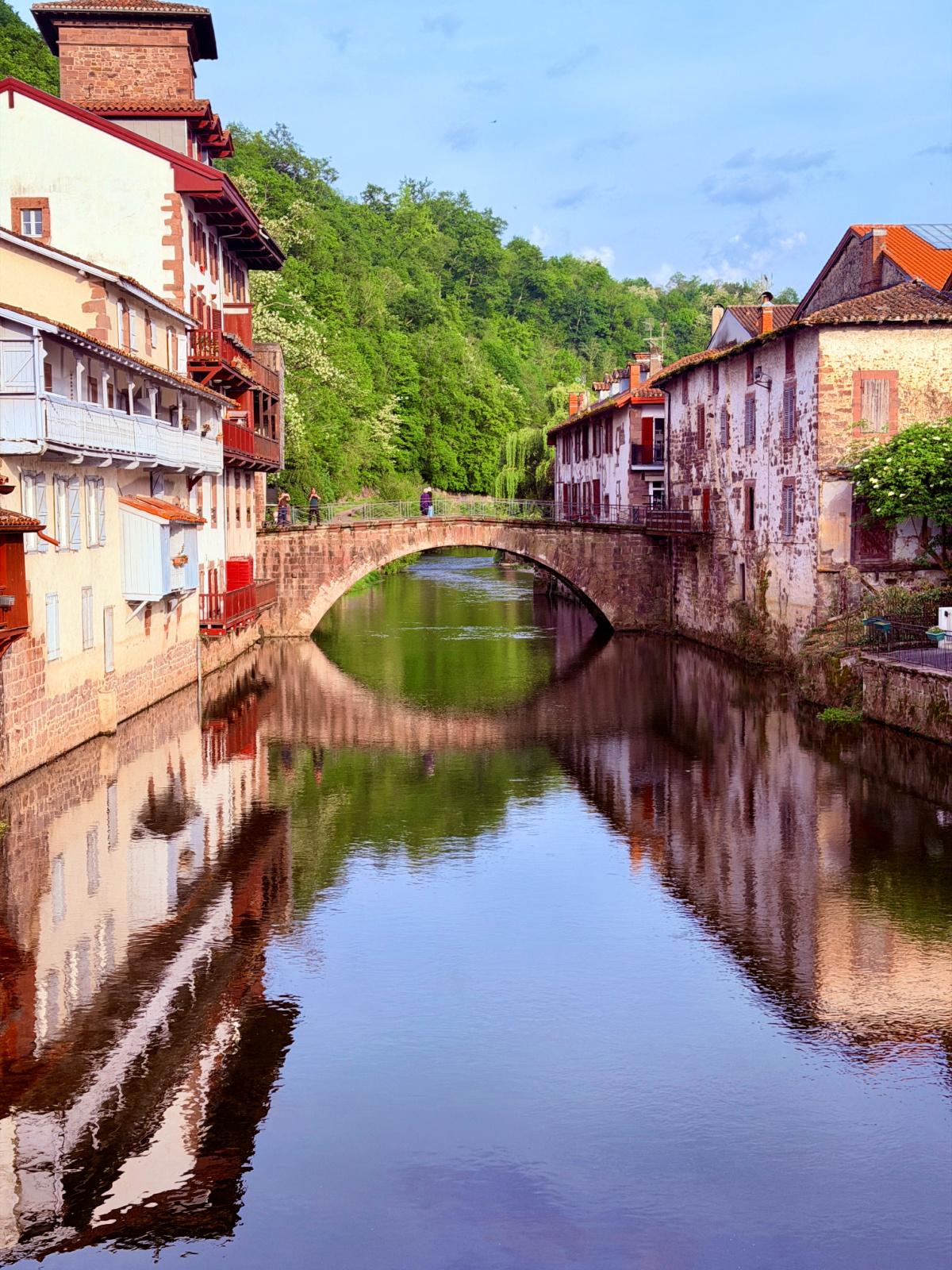
Follow the full journey in my Camino de Santiago series.
Getting to St. Jean Pied de Port
Getting to the starting point isn’t nearly as simple as opening Google Maps and following directions.
Our adventure actually began with flights into Madrid, followed by an Air Europa flight to Bilbao. After watching Somebody Feed Phil, my sister Diane had one request: she wanted to visit San Sebastián, Spain’s culinary capital. There was absolutely no argument from me.
We spent two wonderful nights eating our way through San Sebastián before beginning the trip toward St. Jean Pied de Port.
That trip turned out to be the first Camino lesson.
From San Sebastián, we traveled by train to Pamplona, then boarded the daily bus to Roncesvalles. What we didn’t know was that once you arrive in Roncesvalles, there isn’t a line of taxis waiting to whisk you back across the border into France. There wasn’t a taxi in sight.Fortunately, the Camino has a funny way of providing exactly what you need.
While standing in Roncesvalles trying to figure out our next move, we met Chloe, her sister, and their father. The family had just finished crossing the Pyrenees from France. When we asked how to get a taxi to St. Jean Pied de Port, Chloe politely explained that arranging transportation ahead of time wasn’t optional—it was essential.
Thankfully, she had already booked a taxi back to France because she wasn’t continuing the Camino with her family. She graciously allowed us to share the ride, and we happily paid two-thirds of the fare.
Camino Tip: If you’re traveling from Pamplona to St. Jean Pied de Port through Roncesvalles, arrange transportation from Roncesvalles before you leave home. It’ll save you a lot of unnecessary stress.
Our First Taste of Camino Magic
Once we crossed back into France, we checked into La Villa Esponda, dropped our backpacks, and headed into the old town to pick up our pilgrim passports.
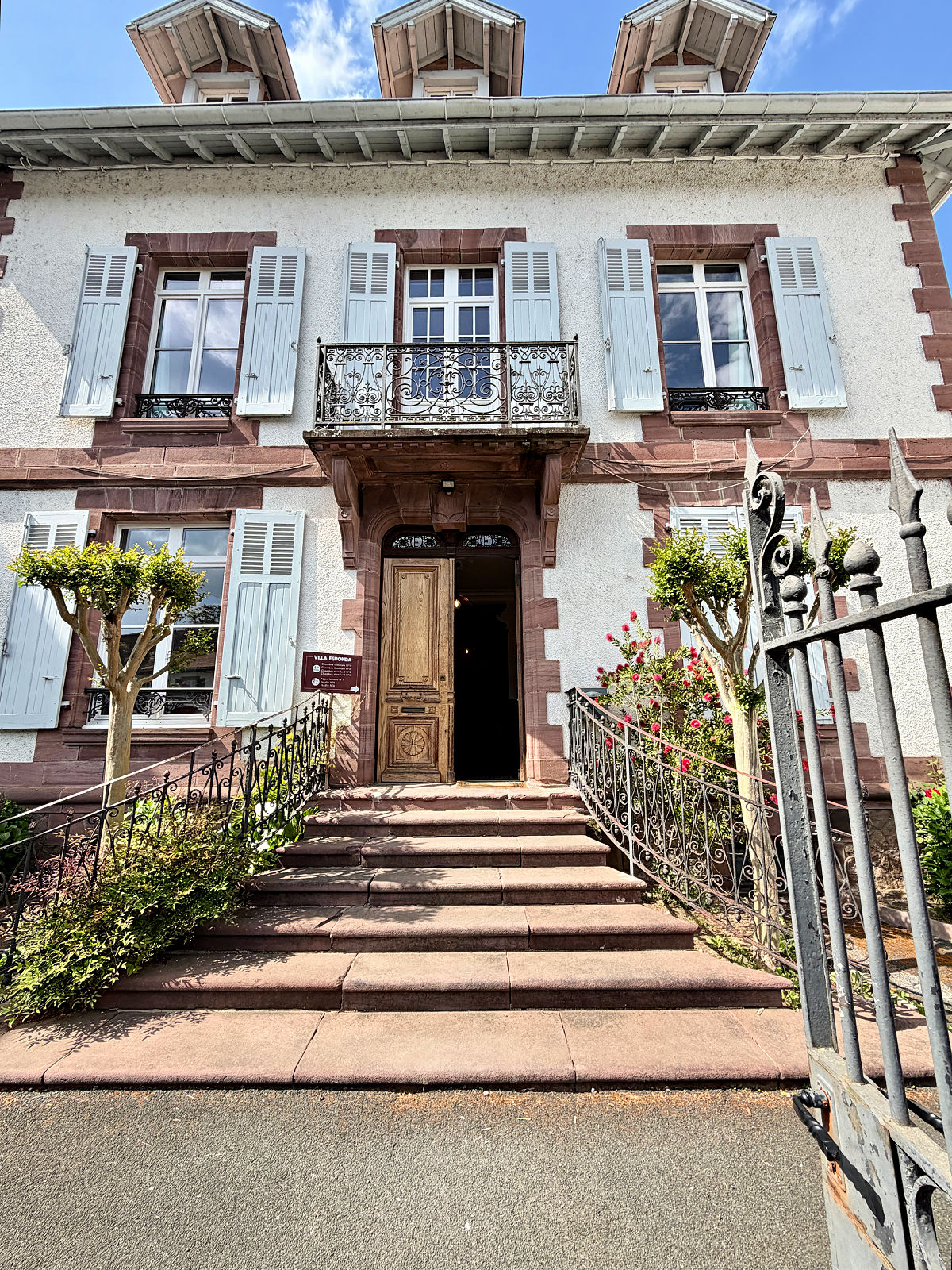
If first impressions matter, St. Jean Pied de Port makes a fantastic one.
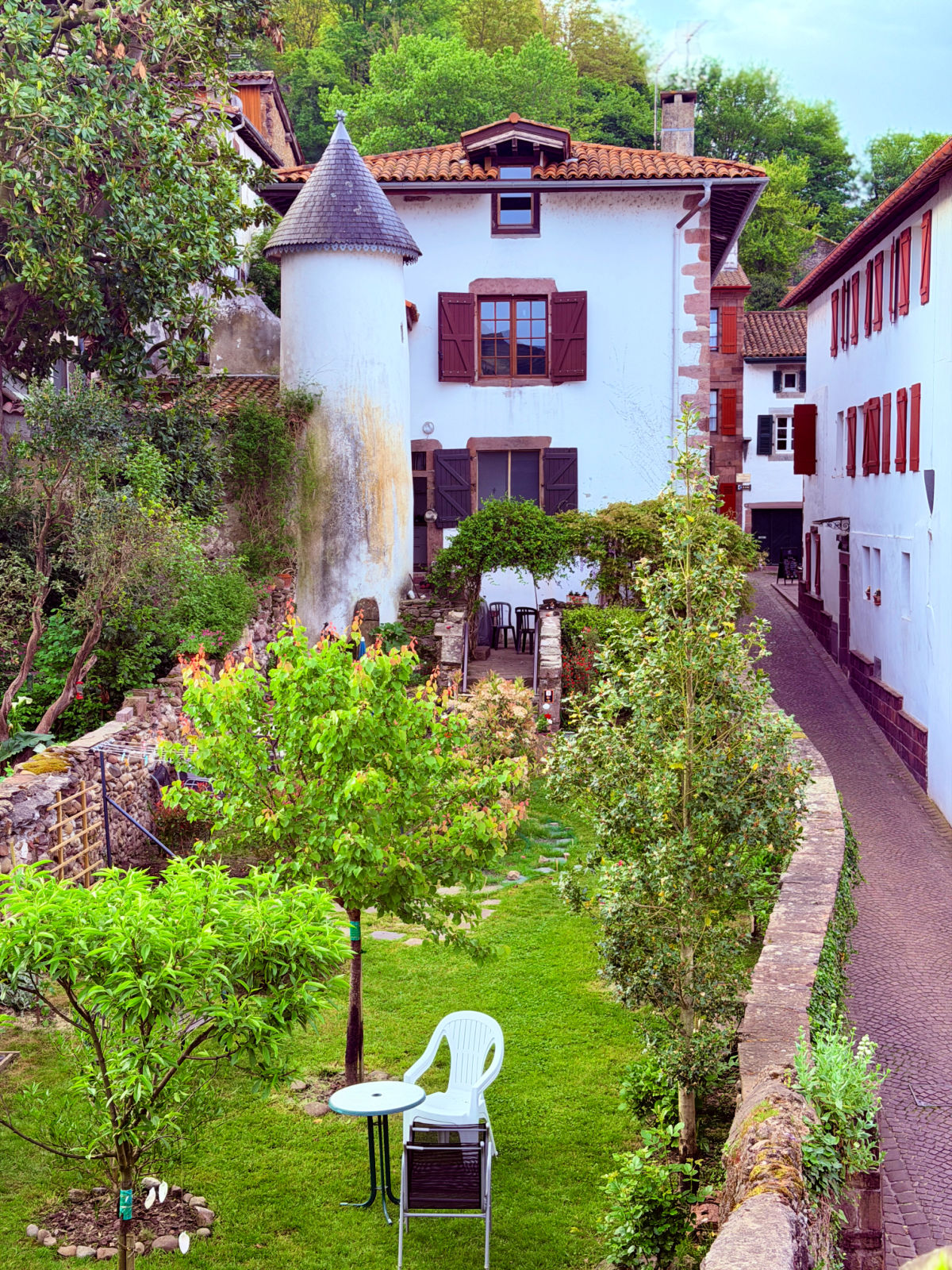
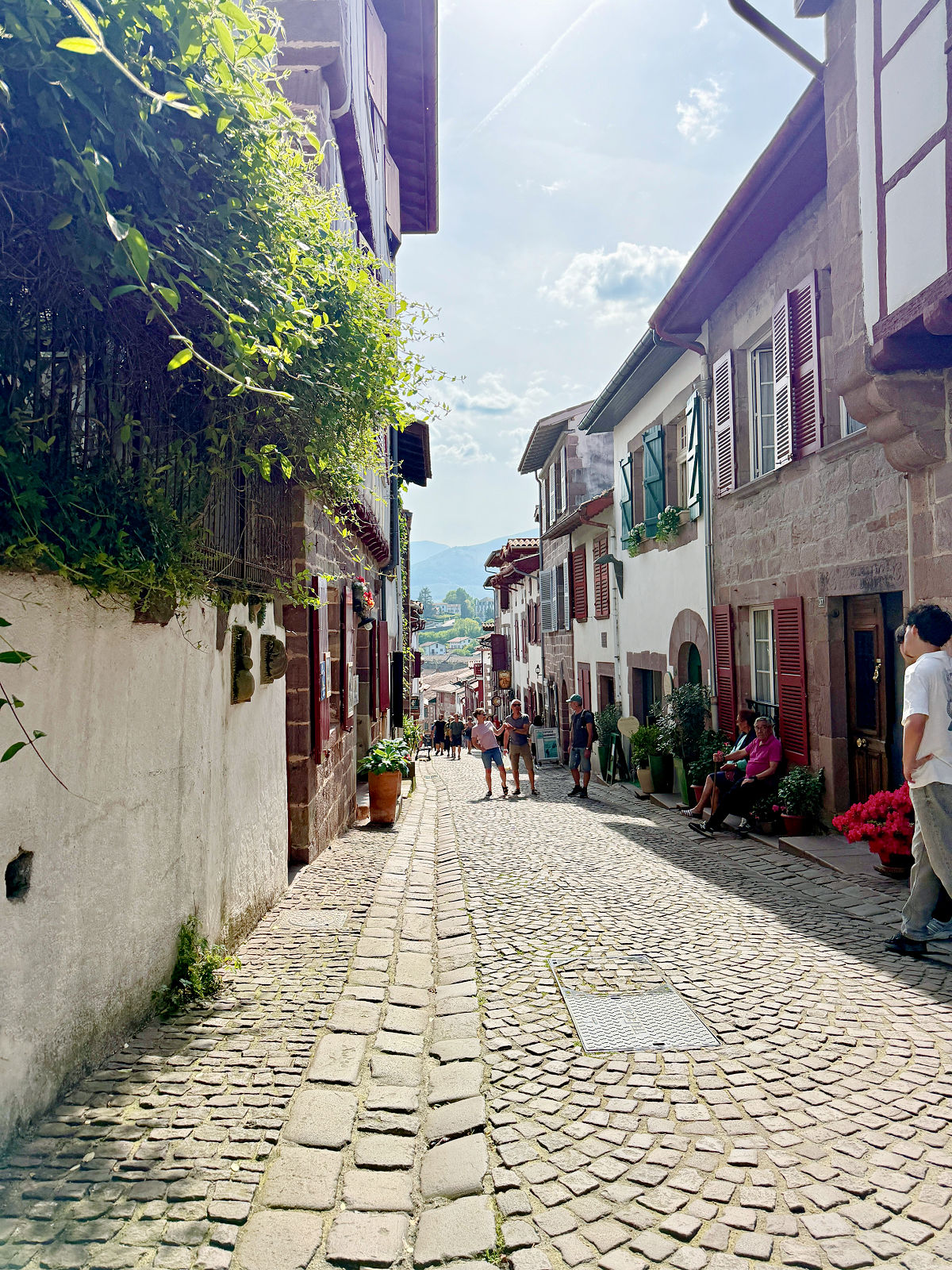
Steep cobblestone streets wind between centuries-old stone buildings draped with colorful shutters and flower boxes. Every corner feels like it belongs on a postcard.
Towering above it all is the Citadel of Saint-Jean-Pied-de-Port, built in the early 1600s to guard one of the most important mountain crossings through the Pyrenees. From its perch high above the Nive River, soldiers once watched for invading armies. Today, it watches over an entirely different procession—thousands of pilgrims beginning one of the world’s most famous walks.
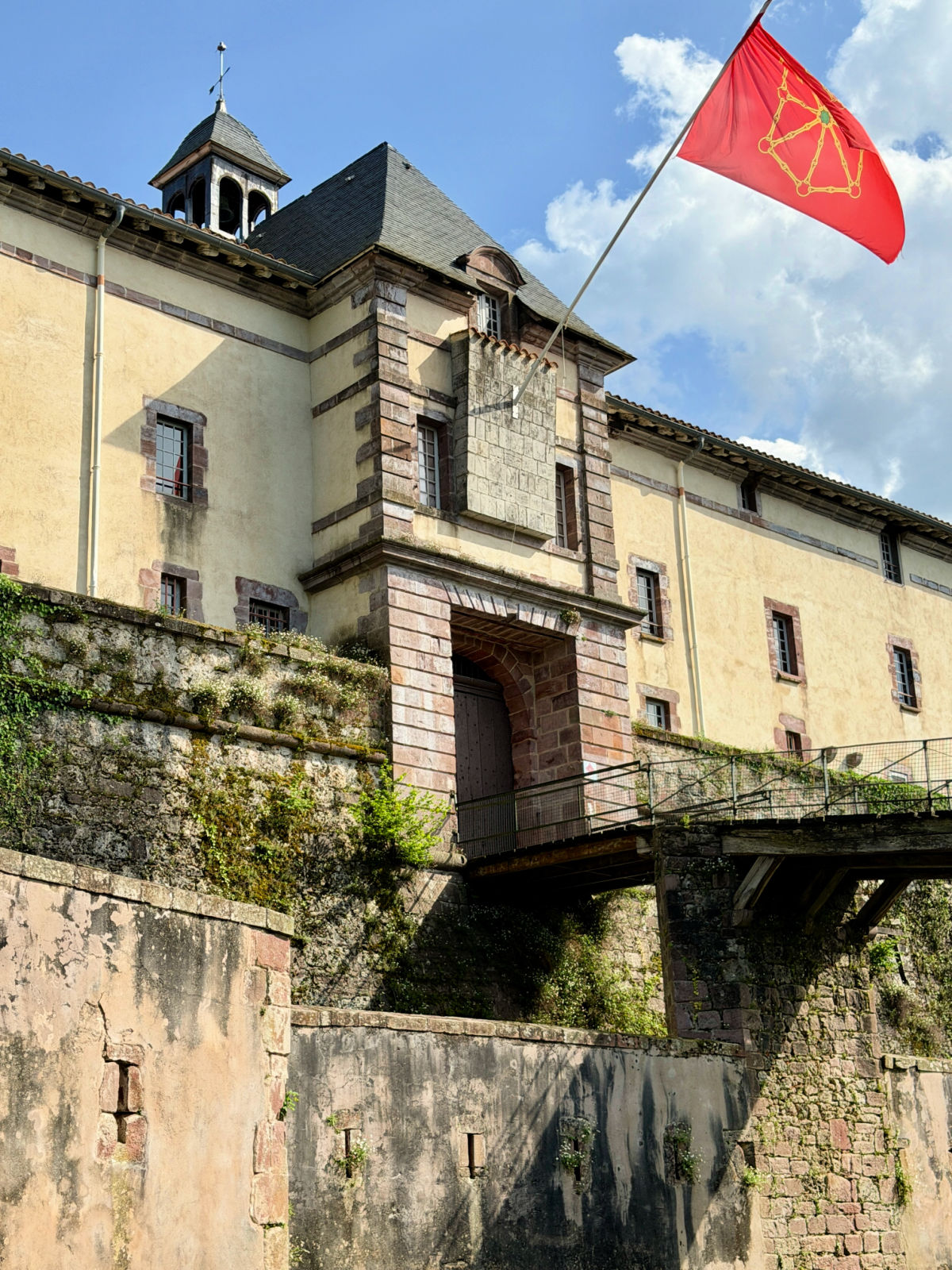
The town may be small, but it has an energy all its own. Everyone is there for the same reason. Tomorrow, they’re walking.
One Last Evening Before the Climb
We eventually wandered over to Ziripot for dinner.

A chicken sandwich. A glass of sangria. Simple. Delicious. Exactly what we needed.
Afterward we made our way back to La Villa Esponda for one last night in a real bed before beginning the Camino.
Not Quite an Early Start…
If you ask experienced pilgrims, they’ll tell you to get an early start and finish most of your climbing before the afternoon heat. That is excellent advice.
We ignored it.
Instead, we enjoyed an authentic French breakfast at Café Ttipia—an omelet, smoked salmon toast, pain au chocolat, and enough coffee to convince ourselves climbing a mountain sounded like a good idea.

Before leaving town, Diane ducked into a little spice shop and bought several incredible French spice blends.
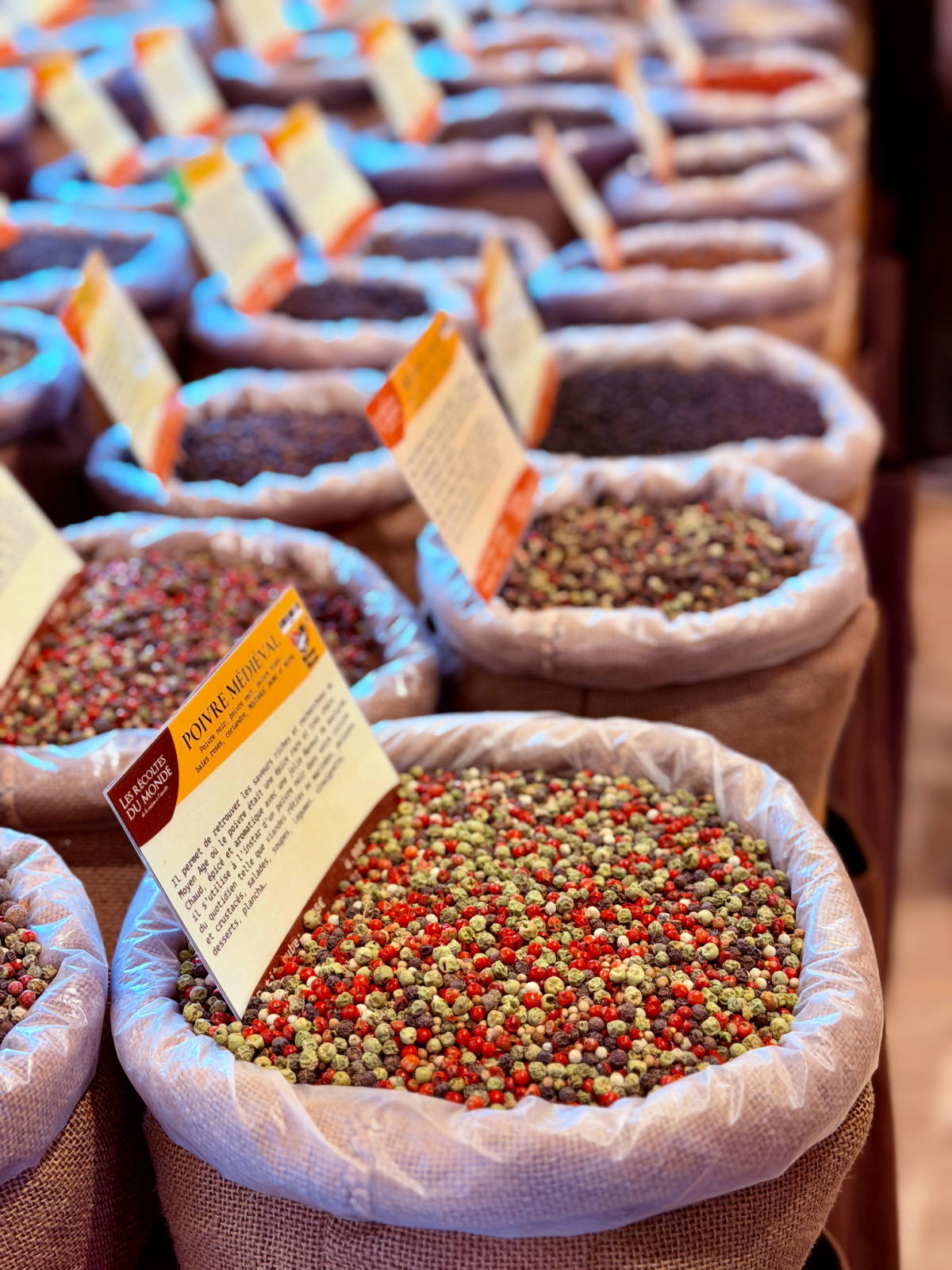
There was no rush. The mountain wasn’t going anywhere.
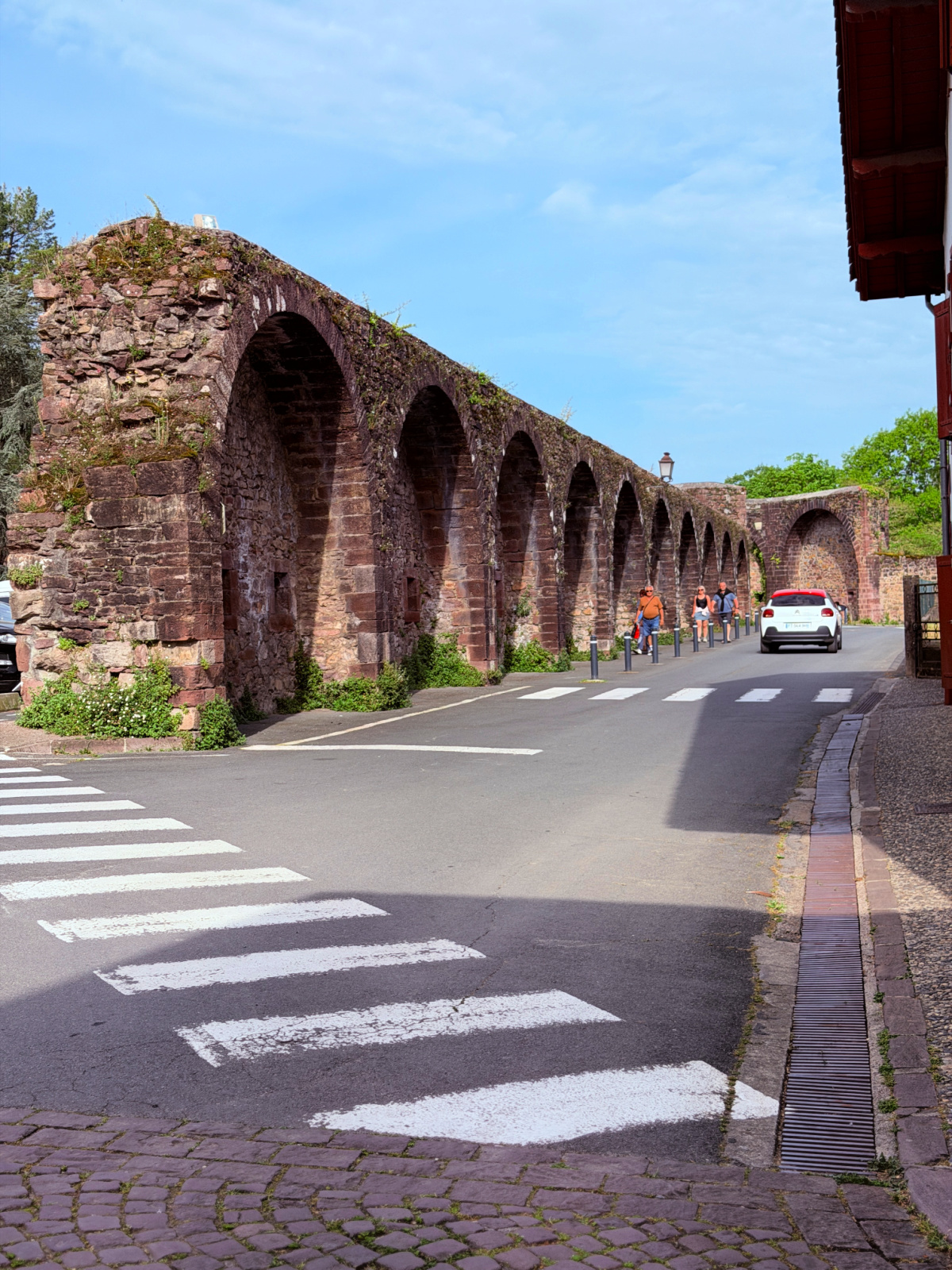
The Journey Begins
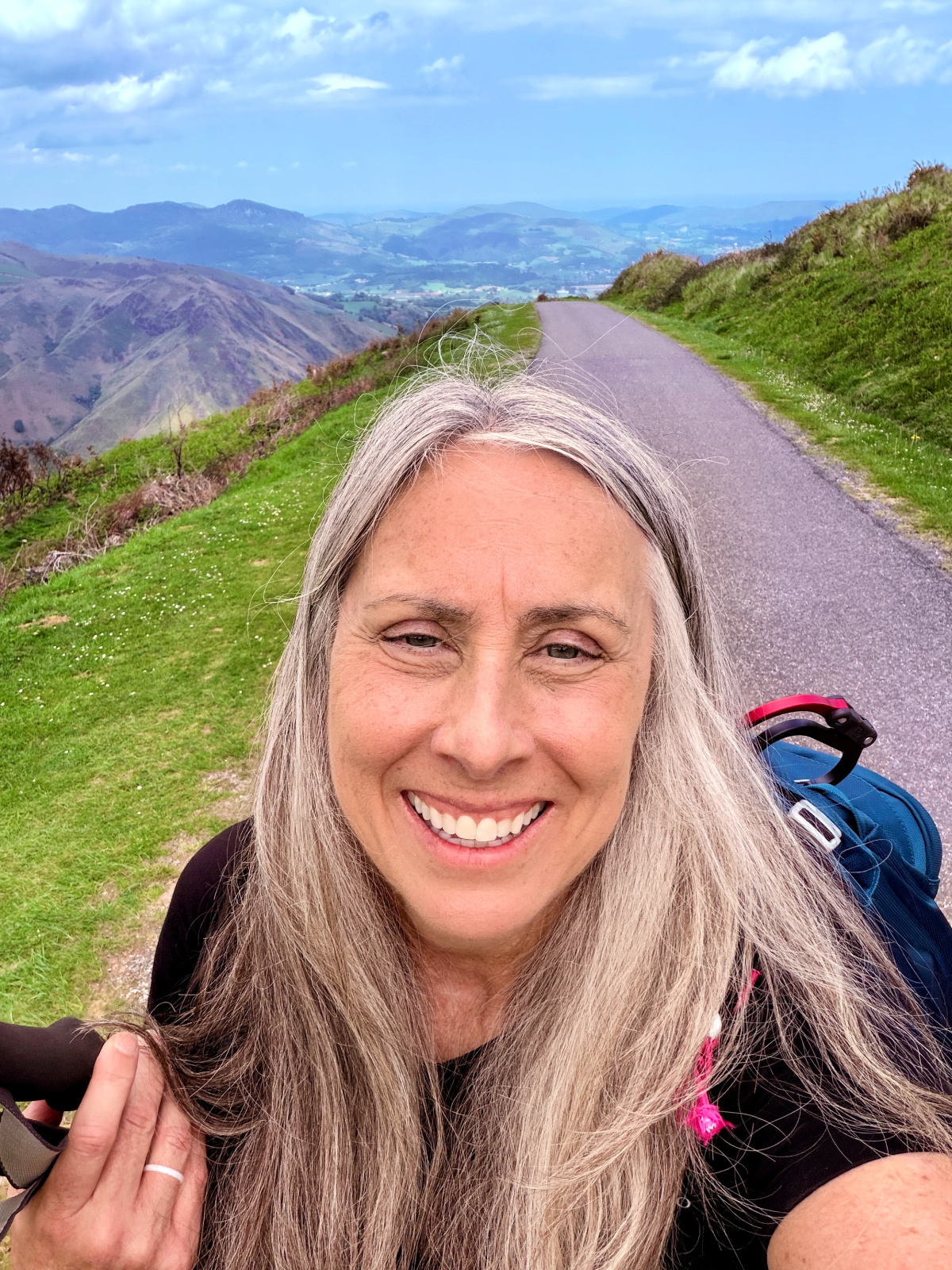
Leaving St. Jean Pied de Port, the climb starts almost immediately. Initially, it seemed pretty easy. Don’t forget, though, that looks can be deceiving and you will be climbing up an actual mountain (the highest point will be near the Lepoeder pass and it is about 1,400 meters, or 4,600 feet for those of us who didn’t pay much attention in math class).
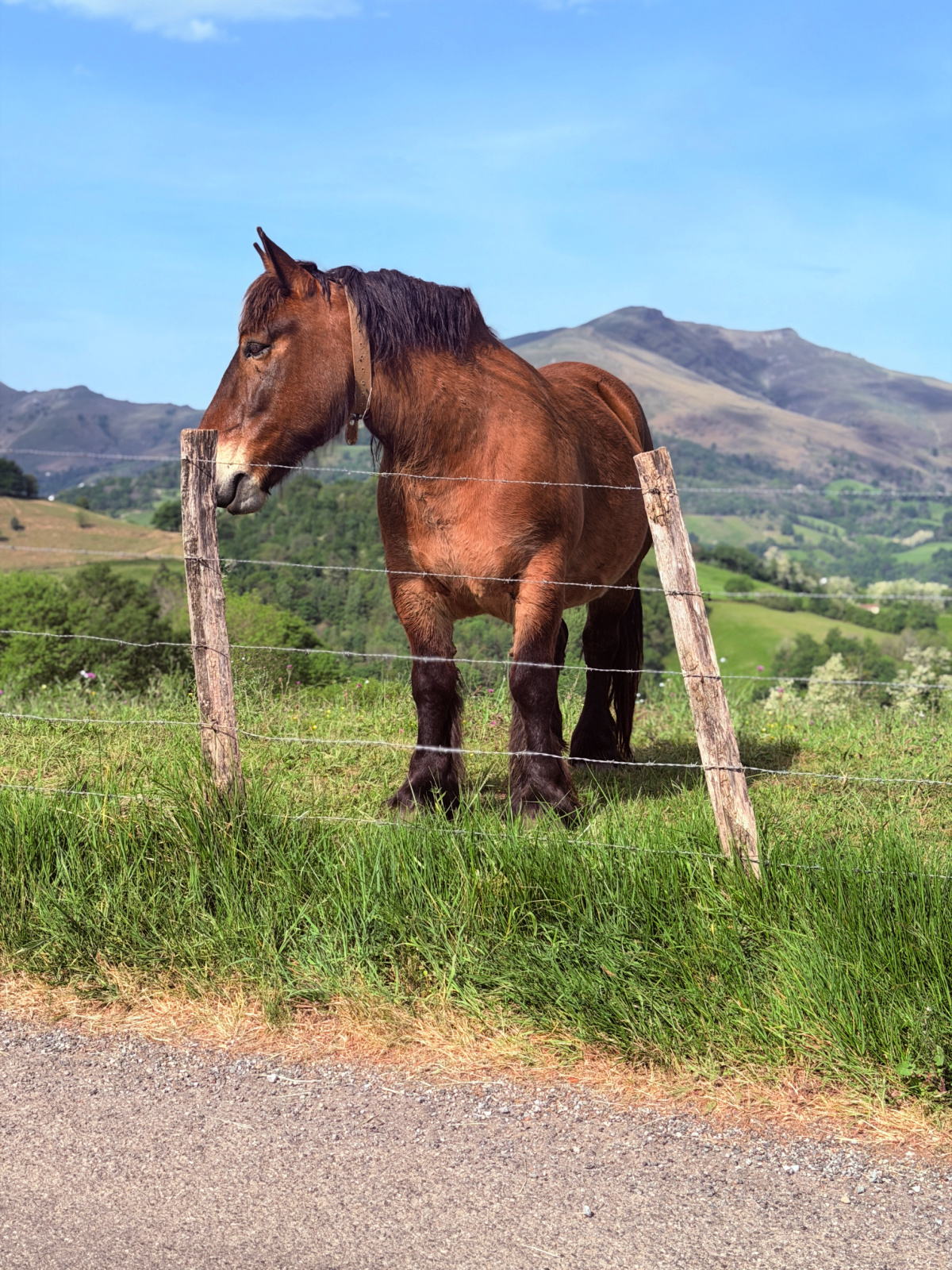
The weather couldn’t have been better, and we slowly made our way uphill past grazing horses, curious mules, and rolling green hills that looked almost too beautiful to be real.
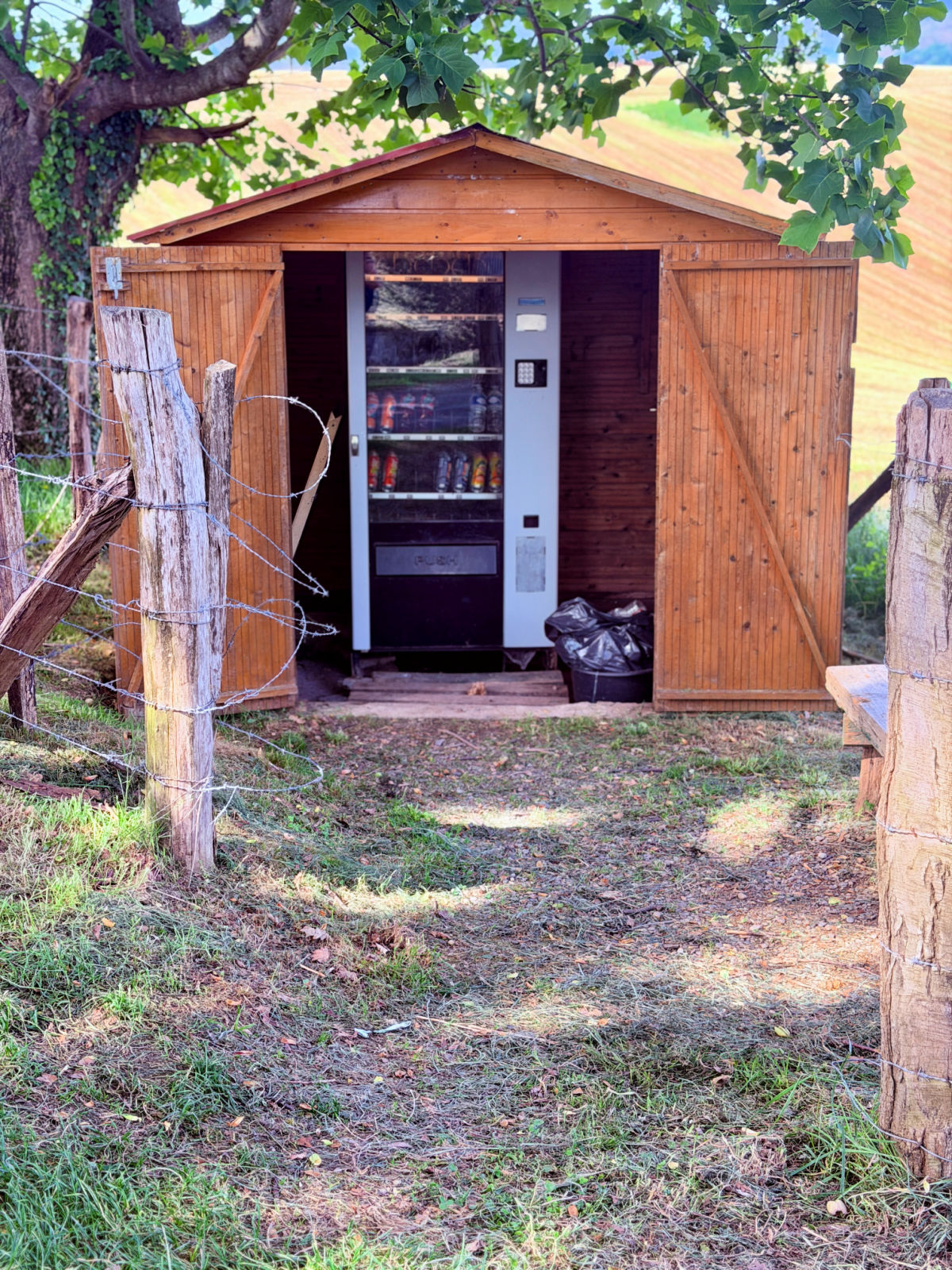
One of the first surprises was a tiny wooden shelter with a vending machine. Whoever placed cold drinks halfway up a mountain deserves a medal.
Choosing the Napoleon Route
Pilgrims have two choices for crossing the Pyrenees.
The Napoleon Route climbs higher into the mountains and offers spectacular views, while the Valcarlos Route follows the valley and is generally used when weather forces the Napoleon Route to close.
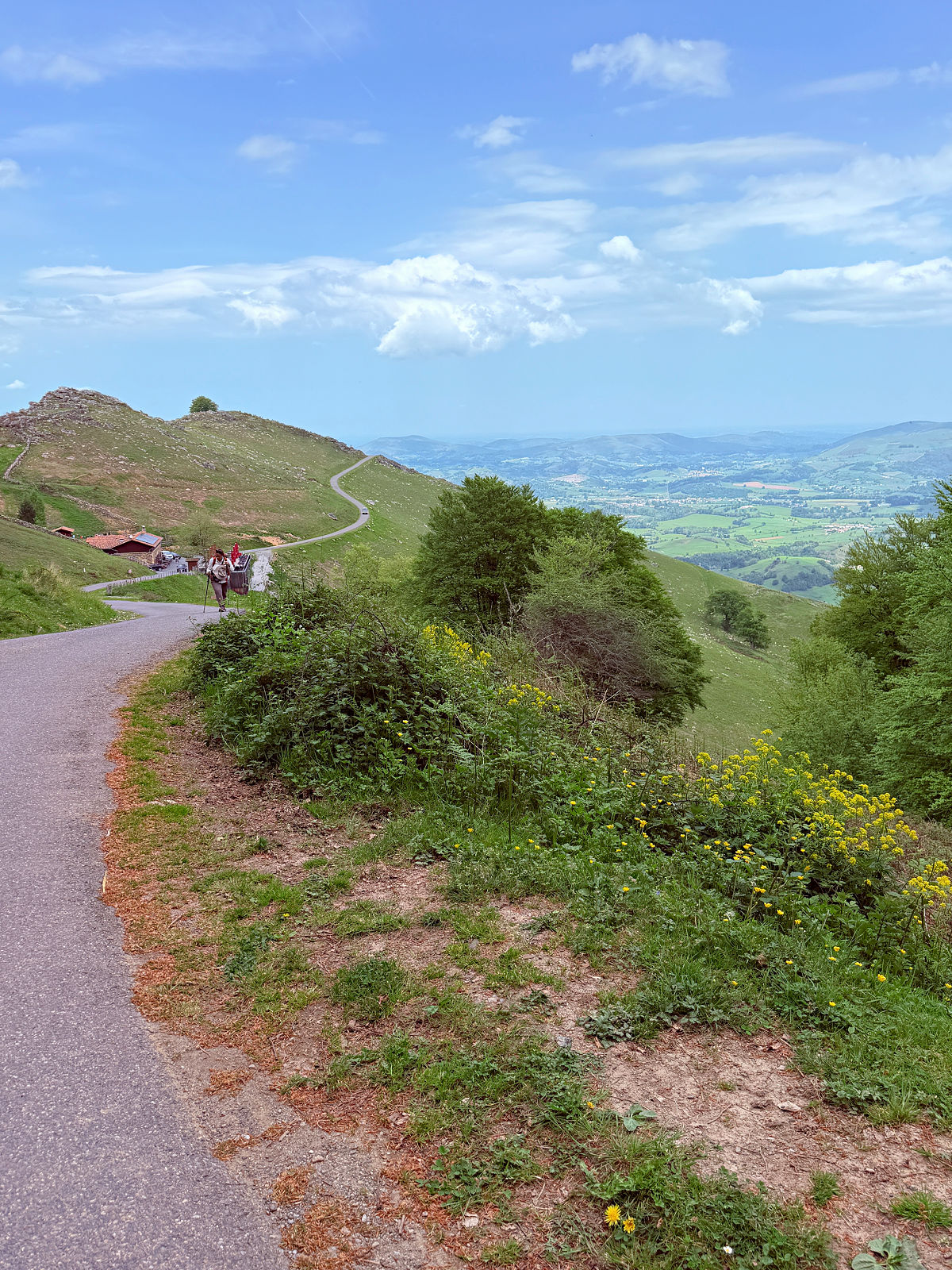
We chose the Napoleon Route. It was absolutely beautiful. It was also absolutely uphill.
One thing we learned quickly is that services are few and far between. Very few. Don’t under estimate how much water you’ll need.
Our First Camino Break
Our first real stop came at Gîte Ithurburia, where we gratefully purchased Aquarius sports drinks. I also happily paid one euro to use the restroom. Worth every penny.
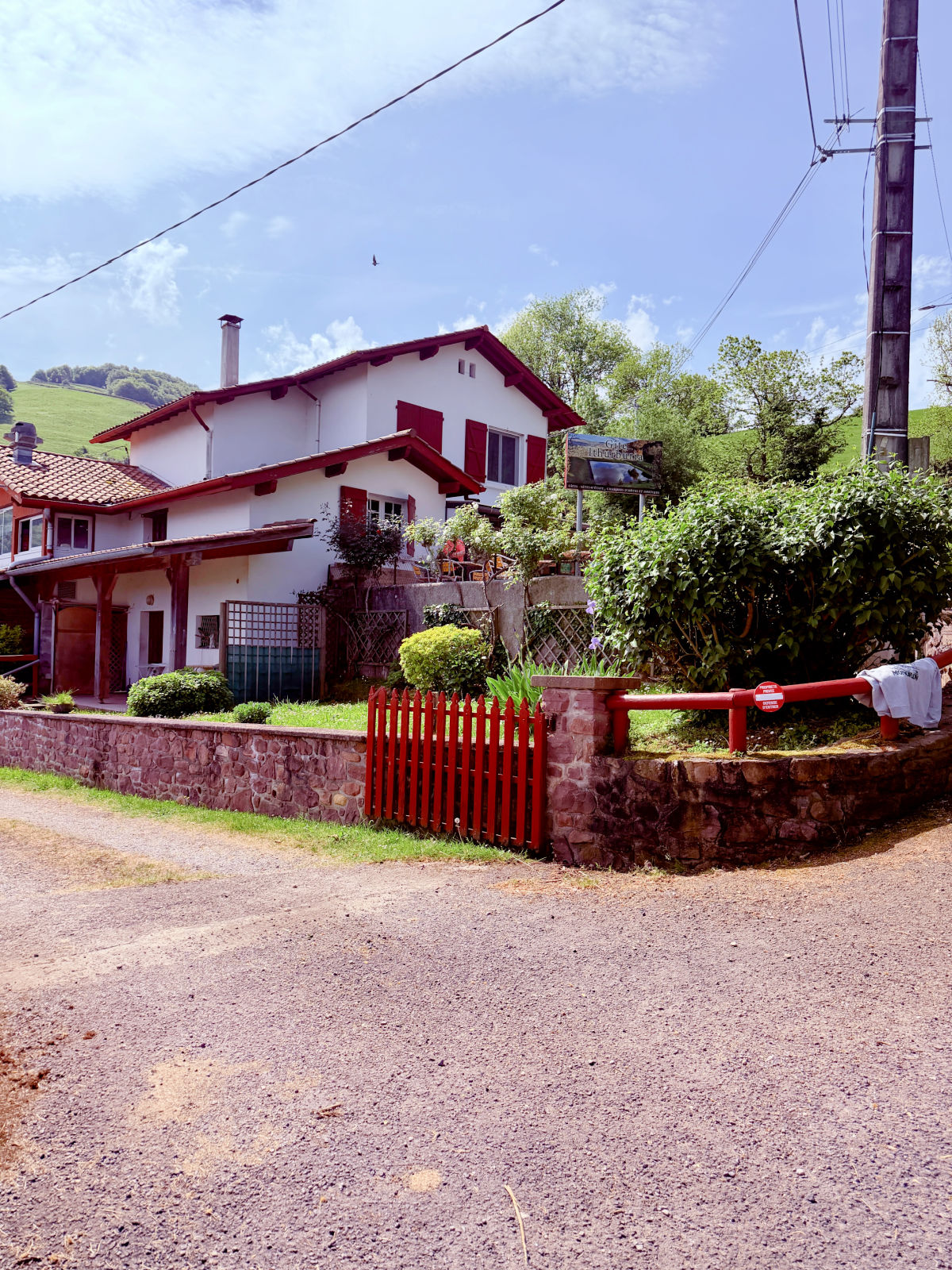
This was also where we really began talking with pilgrims from around the world. Languages were different, but everyone spoke the universal language of tired legs.
The Climb Gets Real
The farther we climbed, the steeper the trail became.
There was an option of following the road or taking a shortcut across grassy hillsides. Unknowingly, we stayed on the longer route. By then, every uphill step felt earned.
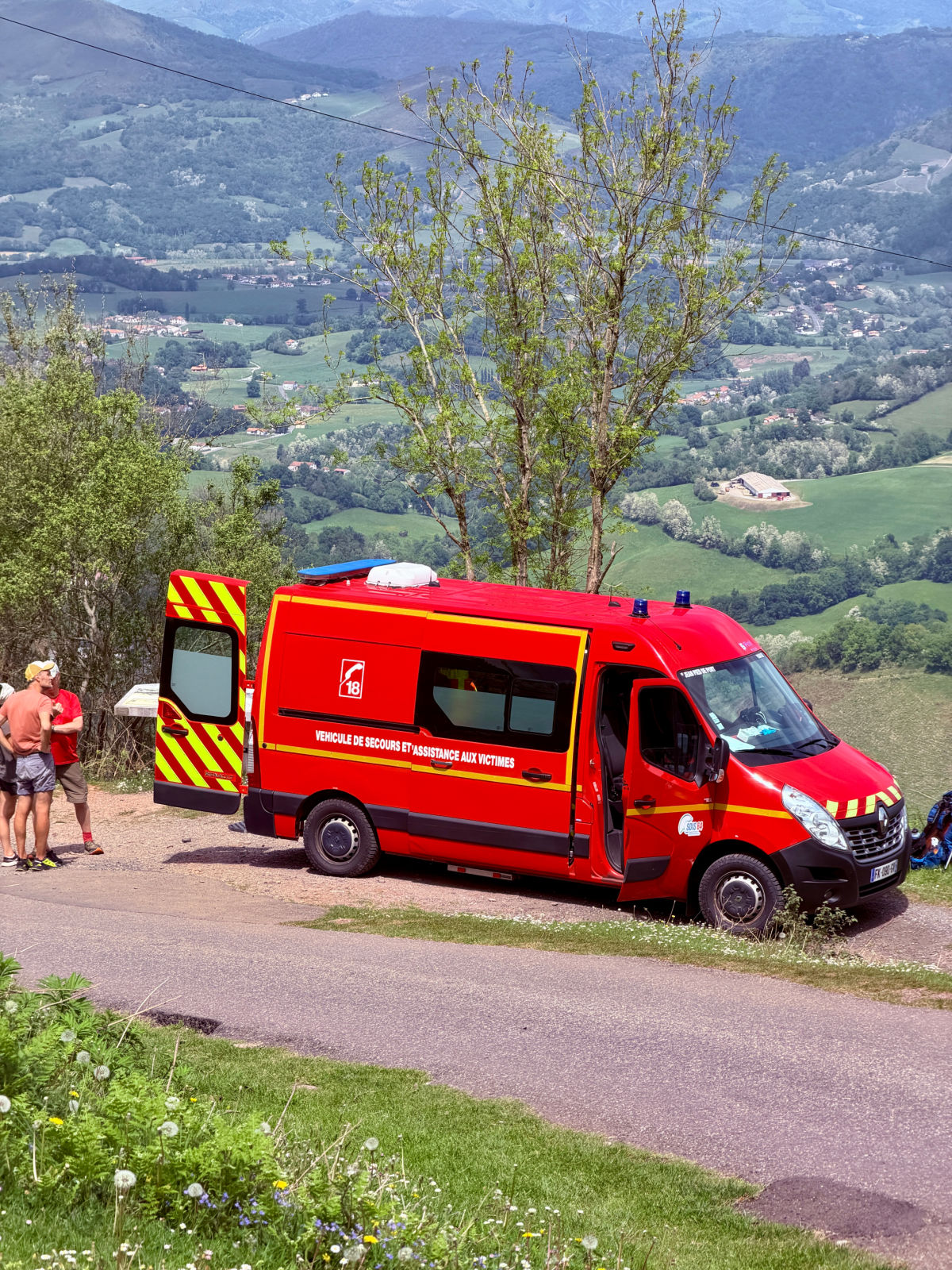
Not long afterward we reached a plateau where an ambulance was treating a Scottish pilgrim who had become ill. Someone had called 112, Europe’s emergency number, after fluids and electrolytes weren’t enough to help him continue.
It was a sobering reminder that this mountain deserves respect.
Lunch with a View
By the time we reached Refuge Auberge Orisson, sitting down felt like winning the lottery. Part hostel, part restaurant, part scenic overlook, Orisson offers one of the most spectacular lunch stops on the Camino.
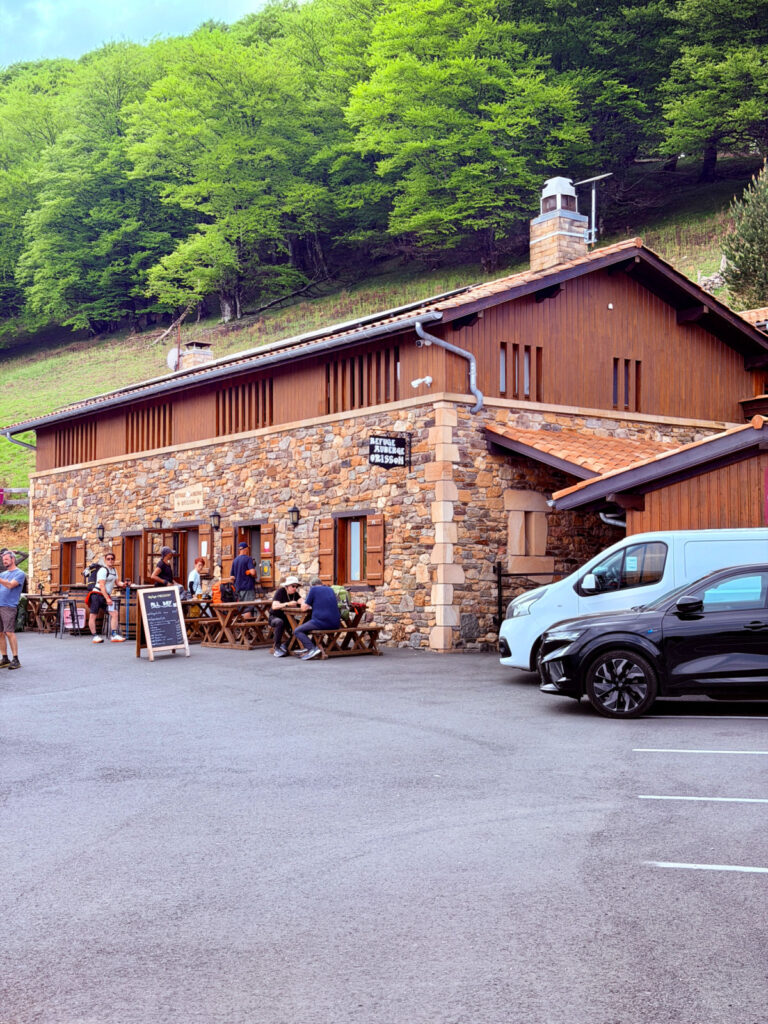
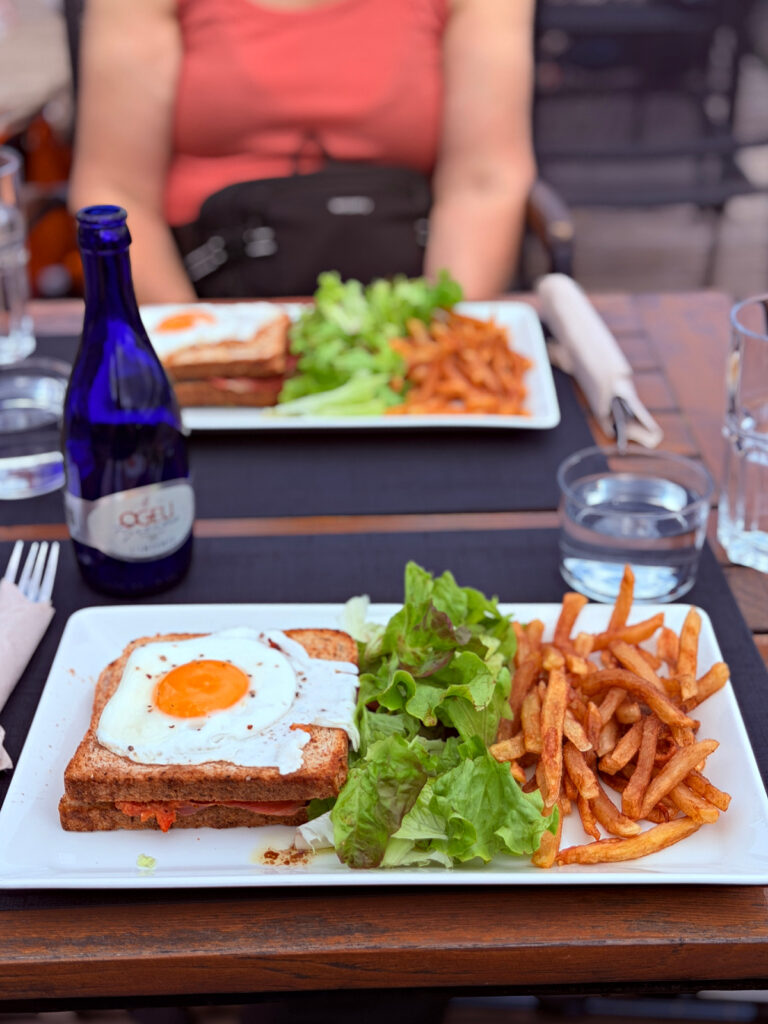
We ordered lunch, rested our legs, and soaked in the incredible views stretching across the Pyrenees. For a little while, nobody was in a hurry.
Welcome to Auberge Borda
After lunch, we continued the final stretch to Auberge Borda in Honto.
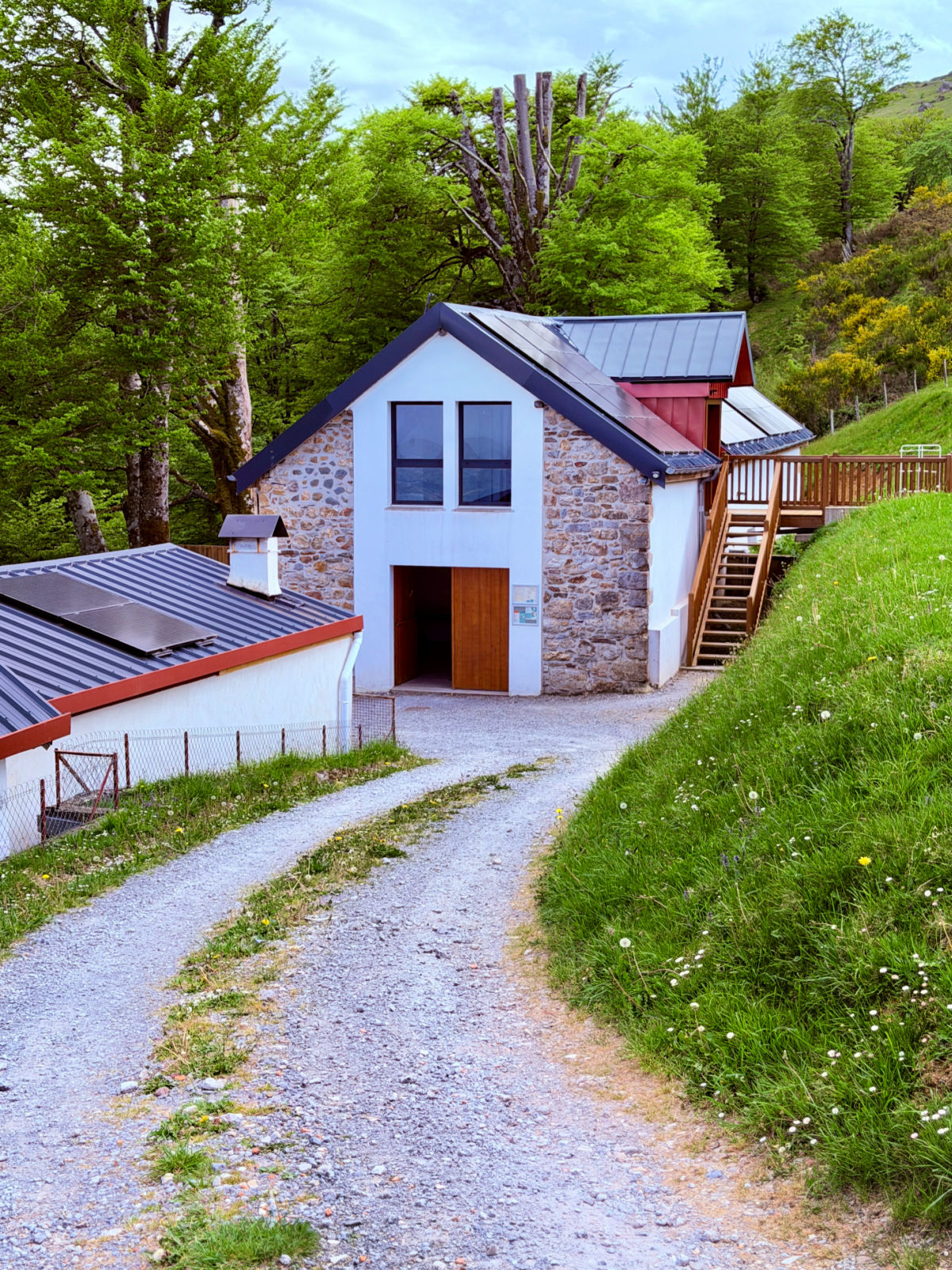
I’d actually been watching reservations for months. As soon as the auberge reopened after its winter closure, I booked our room because I knew accommodations here fill quickly. After staying there, I’d do exactly the same thing again.
If you’re planning to split the climb between St. Jean Pied de Port and Roncesvalles, I can’t recommend Auberge Borda highly enough. While walking all the way to Roncesvalles on Day One is certainly possible, for us, stopping in Honto was the right decision.
The Perfect End to Day One
After a full day of climbing, a hot shower felt like pure luxury.
The showers operated on four-minute tokens, and Diane and I spent a few moments trying to figure out exactly how everything worked. Once we did, that hot water felt absolutely glorious.
Instead of washing clothes by hand, we joined several other pilgrims in using the auberge’s laundry service. The host combined everyone’s laundry into one load and split the cost among us. It was inexpensive, convenient, and one less thing to think about after hiking all day.
We were also fortunate to be assigned to one of the four-person rooms instead of one of the larger dormitories.
That evening everyone gathered around long tables for a communal dinner of soup, ground pork with potatoes, fresh bread, red wine, and dessert. Stories were shared. Friendships began.
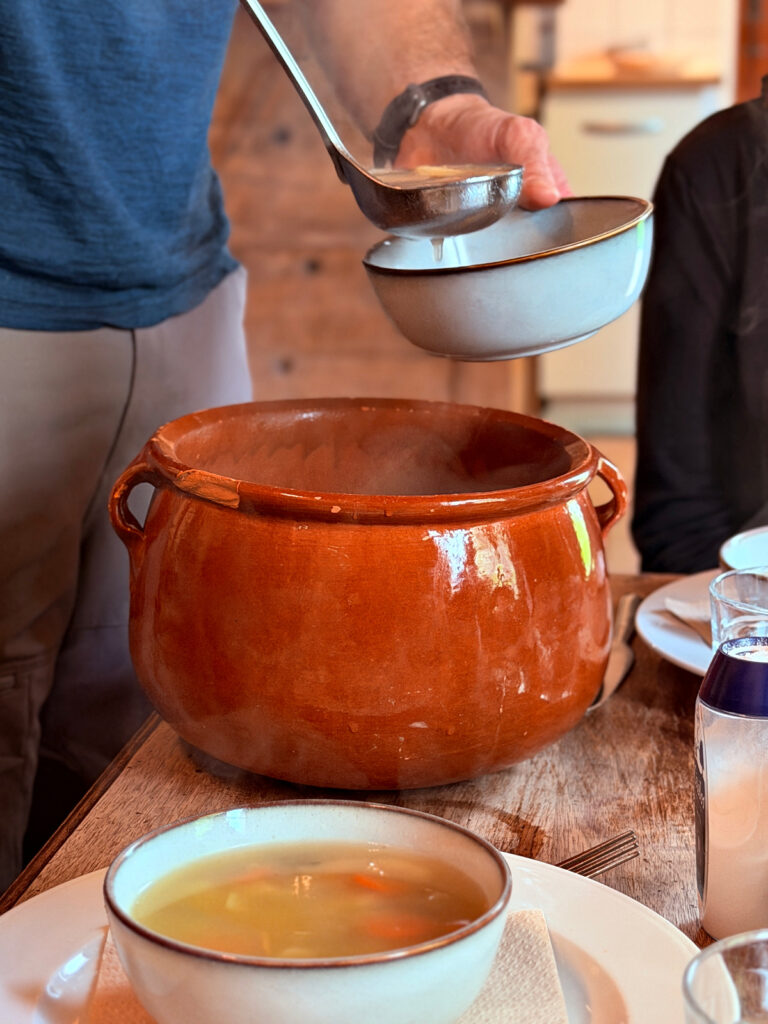

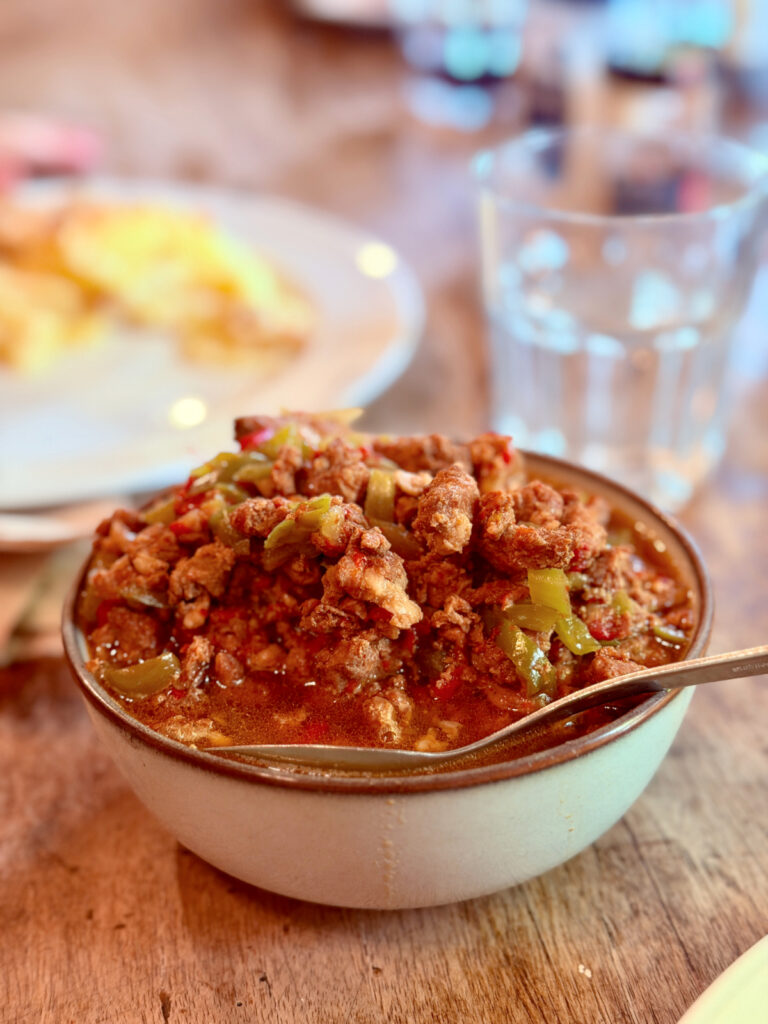
Somewhere between dinner and bedtime, the Camino stopped feeling like a vacation and started feeling like a community.
Tips for Getting to St. Jean Pied de Port
I’d make this a practical section near the end of the post.
From Pamplona, Spain
- During the Camino season, there is typically one direct bus each day from Pamplona to St. Jean Pied de Port. Seats can fill quickly, so book in advance if possible.
- If you’re traveling Pamplona → Roncesvalles, remember that you’ll need to prearrange a taxi from Roncesvalles to St. Jean Pied de Port. Don’t assume taxis will be waiting.
From Biarritz, France
- Fly into Biarritz Airport, then take local transportation to Bayonne. From Bayonne, regional trains run to St. Jean Pied de Port. This is one of the easiest and most popular ways to reach the Camino’s traditional starting point.
From Paris
- High-speed trains connect Paris to Bayonne. From Bayonne, transfer to the regional train that serves St. Jean Pied de Port. The trip takes most of the day but is straightforward.
Where To Stay
If possible, book a hotel or guesthouse inside the old town. Being able to walk everywhere – the Pilgrim Office, restaurants, cafés, shops, and the starting point of the Camino – makes your first day much more enjoyable. Plus, spending an evening wandering the cobblestone streets is part of the experience.
Ready for the Next Leg?
The journey from St. Jean Pied de Port to Honto was only the beginning of our first 100 miles on the Camino, but it taught us lessons we’d carry for the rest of the hike. In the next post, Honto to Roncesvalles and Burguete, we’ll continue climbing through the Pyrenees on the Napoleon Route before crossing into Spain.
Have you walked the Camino, or is it on your travel bucket list? I’d love to hear about your experience—or answer any questions you’re wondering about—in the comments below!
