
Camino Accommodations Explained

As if planning the Camino de Santiago wasn’t challenging enough, you also have to decide where to sleep each night. Should you stay in a municipal albergue, a private albergue, a pension, a hostal, a casa rural, or a hotel? Each type of accommodation offers a different Camino experience, from budget-friendly bunk rooms to private retreats at the end of a long day of walking. Understanding the differences can help you choose the option that’s right for you.
Follow the full journey in my Camino de Santiago series.
Key Takeaways
- Planning the Camino de Santiago can be confusing, especially when it comes to finding accommodations.
- Albergues provide the classic budget-friendly experience, fostering community among pilgrims, though they come with some noise.
- Private albergues and pensiones offer more comfort while maintaining a personal touch, often with quieter atmospheres.
- Hostals and hotels provide greater privacy and amenities for those needing a reset during their journey.
- Choosing accommodations along the Camino depends on personal preferences, with many pilgrims opting for a mix of options.
One of the most confusing parts of planning the Camino de Santiago isn’t the walking. It’s figuring out where on earth you’re supposed to sleep.
Before walking the Camino, many Americans (myself included) have never heard words like albergue or pensión used in everyday conversation. Suddenly you’re trying to book lodging in tiny mountain villages while wondering if you accidentally reserved a monastery, a bunk bed, or somebody’s converted attic.
Spoiler alert: sometimes it’s all three.
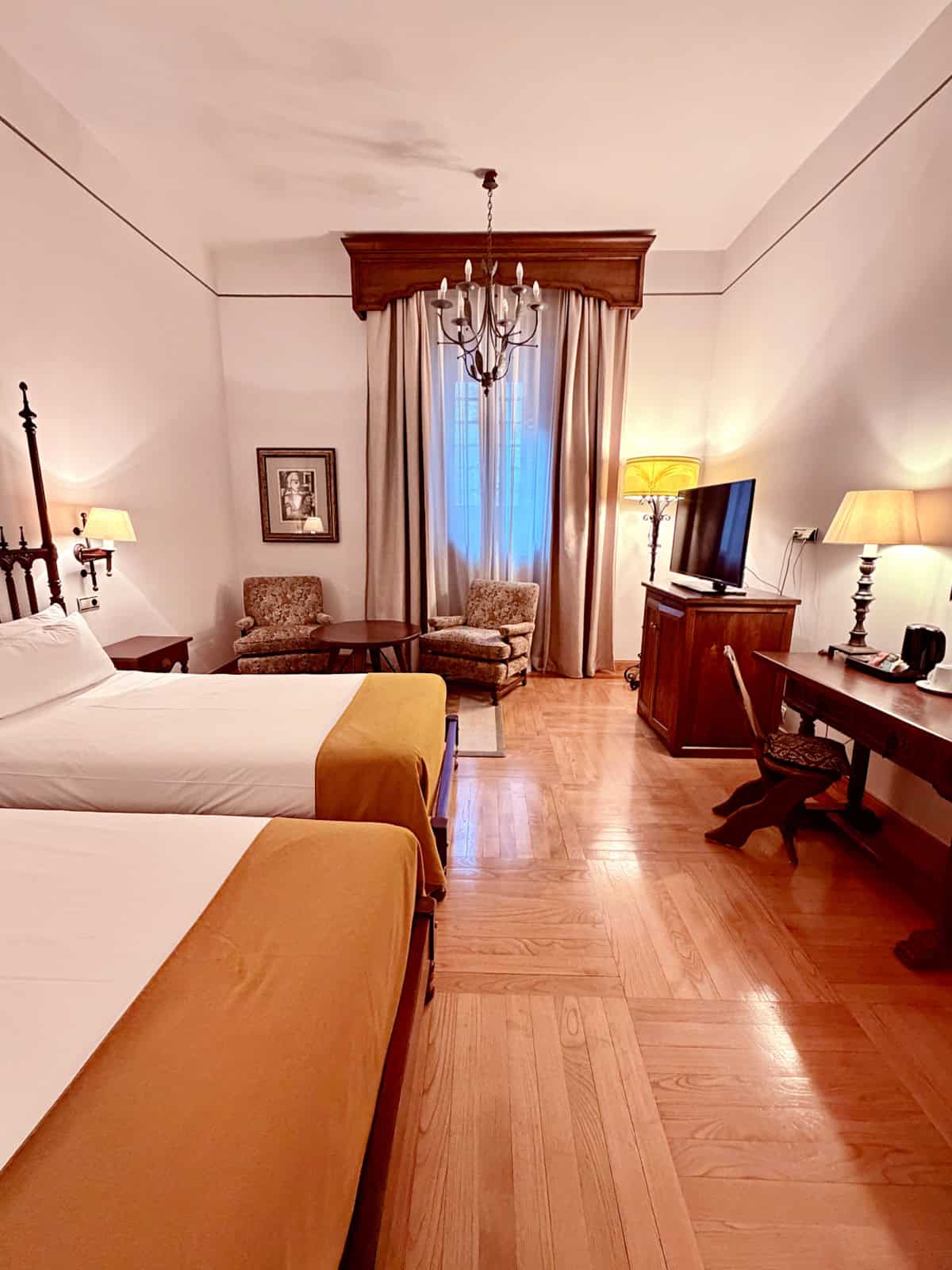
The good news? The Camino offers accommodations for almost every travel style and budget — from rustic communal hostels to luxurious historic hotels where your feet can finally recover in peace.
One important note about our Camino experience
While my sister Diane and I walked a meaningful portion of the Camino Francés, we only completed approximately the first 100 miles of the route — beginning in Saint-Jean-Pied-de-Port, crossing the Pyrenees, and continuing through northern Spain before eventually traveling onward to Santiago de Compostela later in the trip.
That means our lodging experiences reflect accommodations primarily along the early stages of the Camino rather than the entire 500-mile pilgrimage.
Even within those first 100 miles, though, we experienced everything from mountain auberges and rustic albergues to rural hotels, historic inns, small hostels, and city hotels.
And honestly? That variety became part of the adventure.
Albergues: the classic Camino experience
If the Camino had an unofficial mascot, it would probably be the albergue.
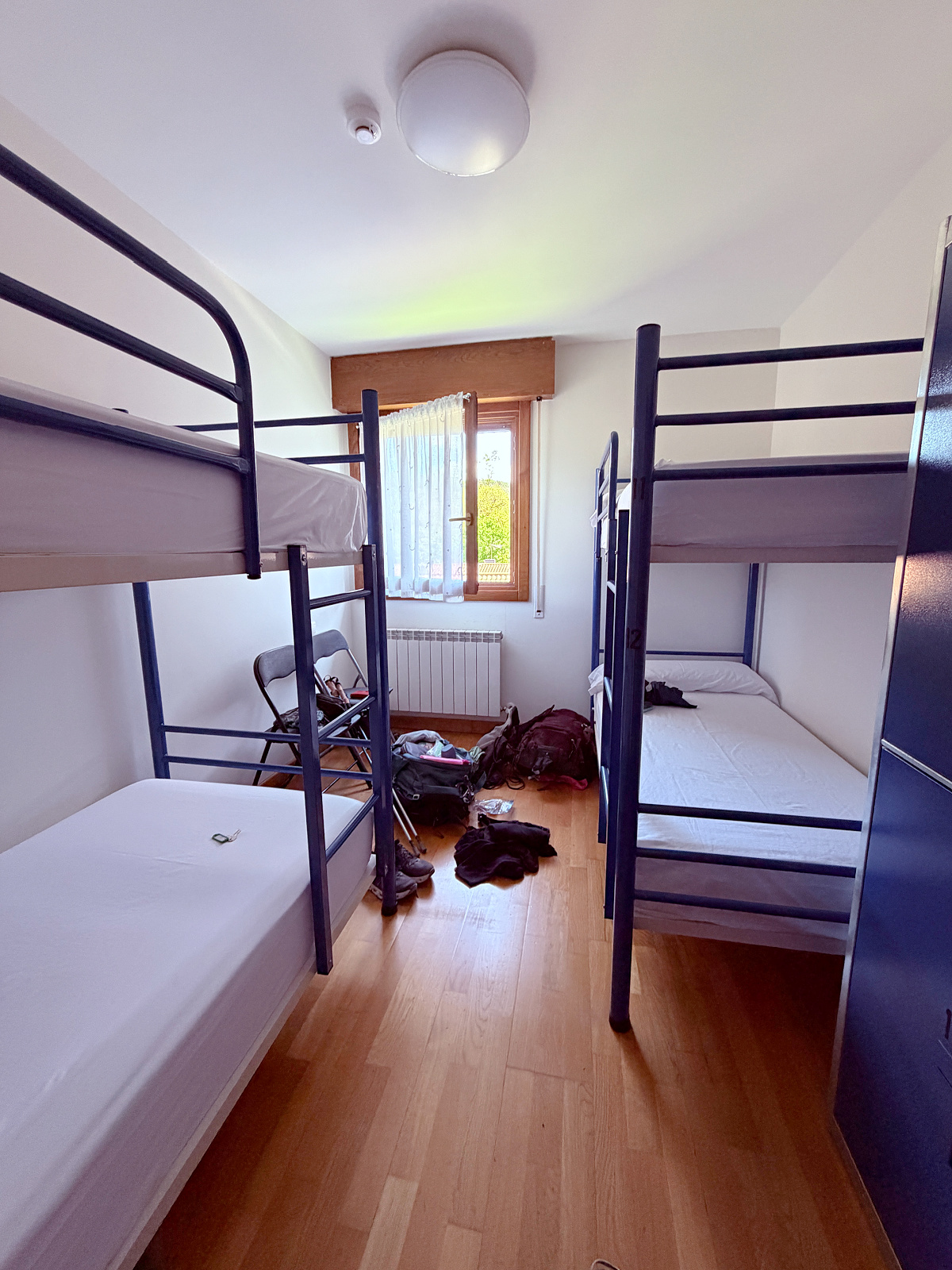
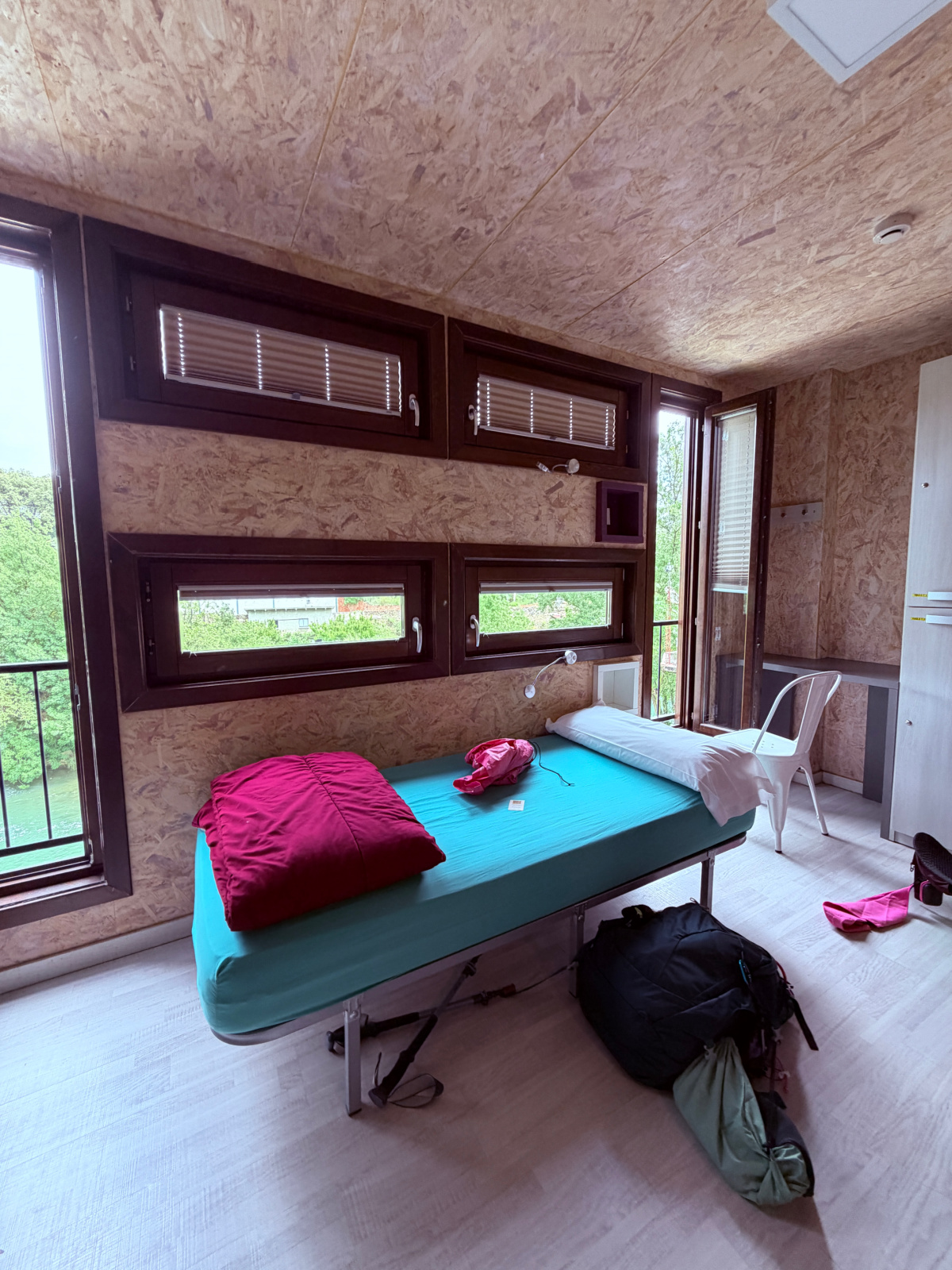
Albergues are pilgrim hostels specifically designed for people walking the Camino. They’re often the most affordable accommodation option and range from basic to surprisingly modern.
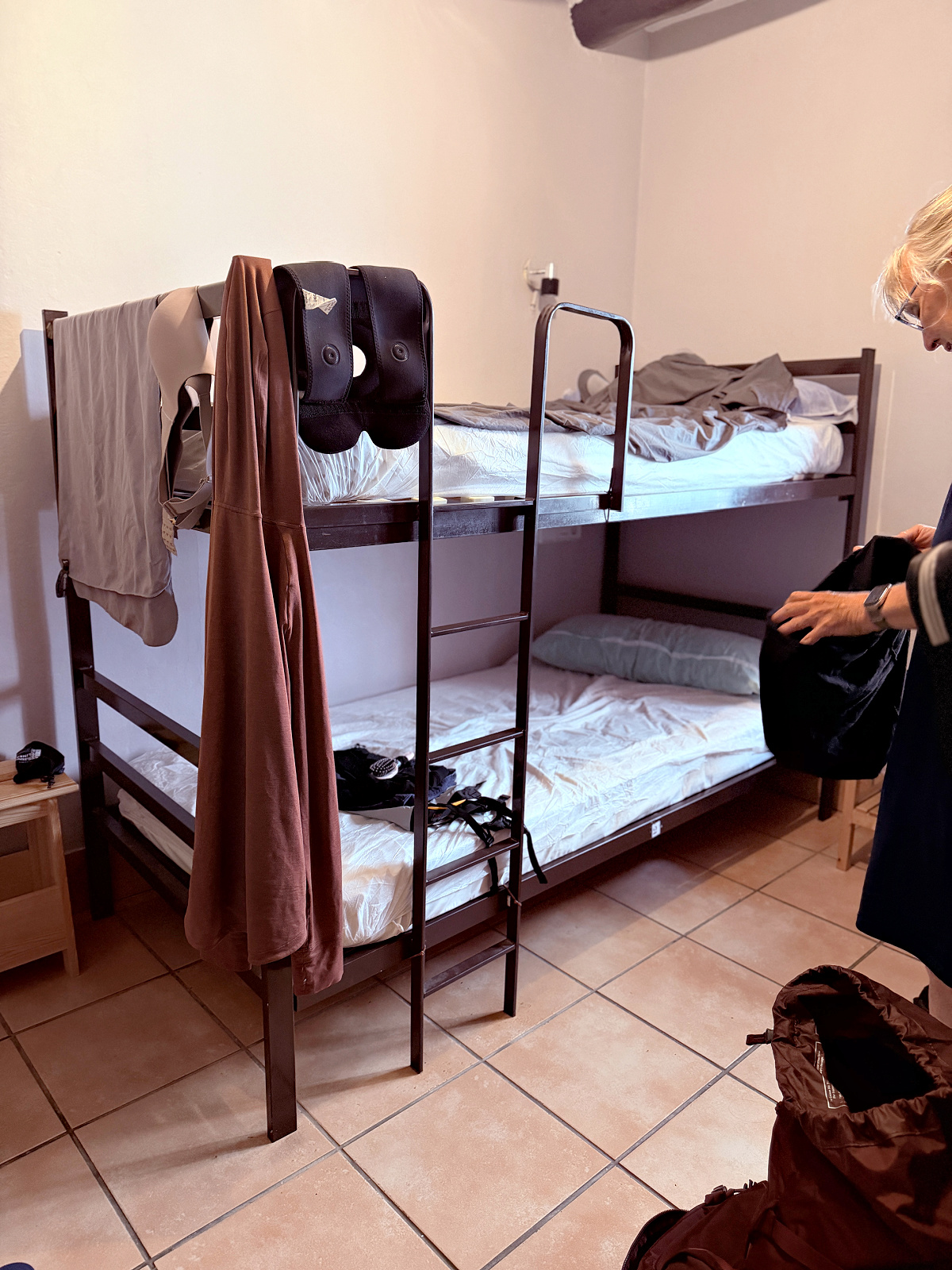
Most albergues offer:
- Dormitory-style sleeping arrangements
- Shared bathrooms
- Bunk beds
- Communal dining or lounge areas
- Laundry facilities
- A social atmosphere full of fellow pilgrims
Some are municipal (run by towns or local governments), while others are privately owned or operated by churches and religious organizations.
Prices are usually very budget-friendly, often ranging from around 10–20 Euros per night.
But let’s be honest.
If you stay in albergues long enough, you will eventually hear:
- Snoring that defies medical explanation
- Backpack zippers opening at 4:30 a.m.
- Somebody rustling a plastic bag like they’re auditioning for a survival reality show
- The occasional symphony of coughing, foot tape, and hiking poles hitting the floor
And yet… many pilgrims absolutely love them.
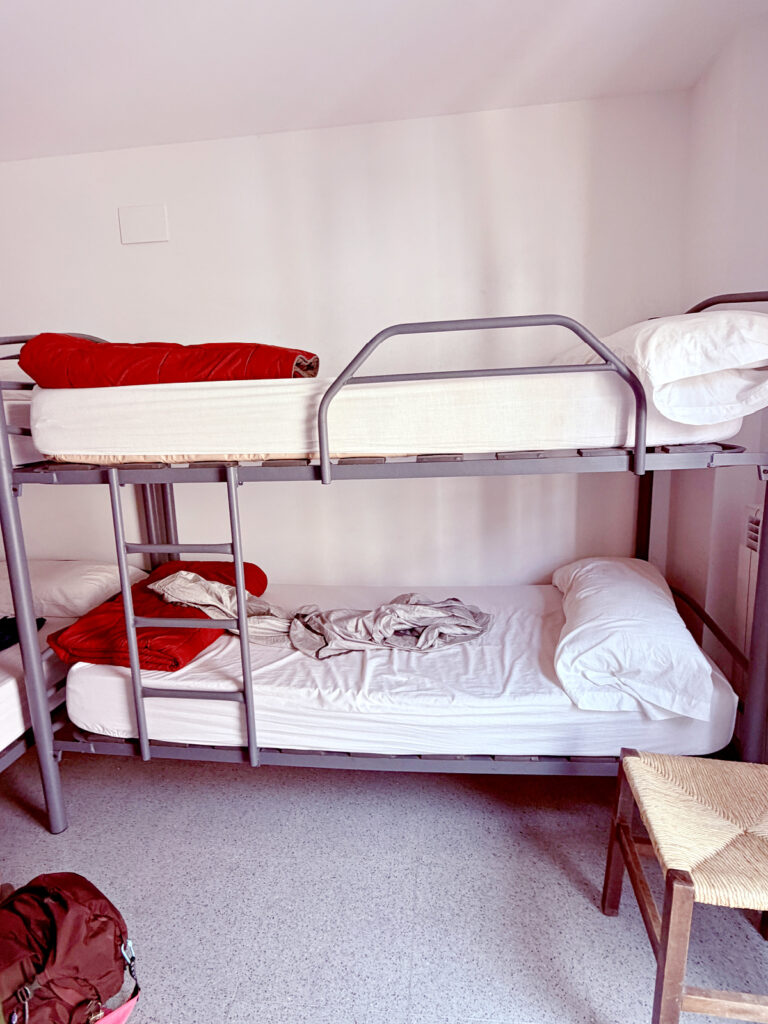
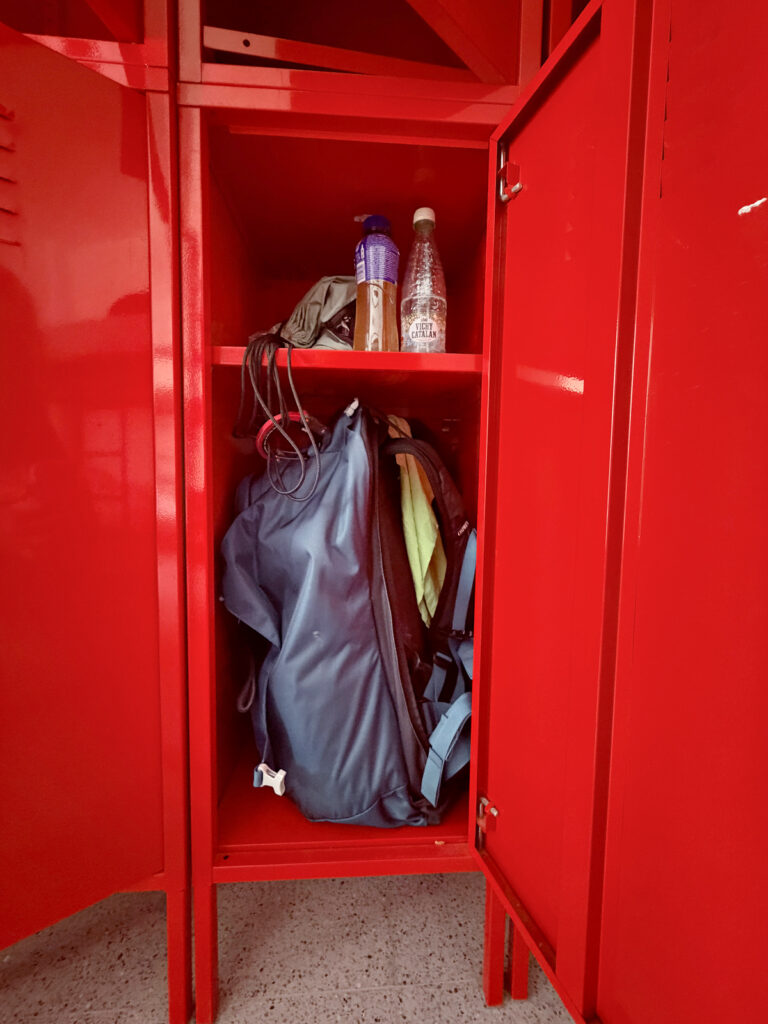
Albergues create community in a way hotels simply can’t. Complete strangers become dinner companions, laundry buddies, and temporary trail family.
Some even have memorable traditions. We heard that pilgrims staying at the albergue in Roncesvalles are sometimes awakened with Gregorian chanting in the morning — which honestly feels very fitting after spending the night in the Pyrenees.
Private albergues
Not all albergues are bare-bones.
Private albergues are independently owned and often provide a more comfortable experience while still maintaining the pilgrim atmosphere.
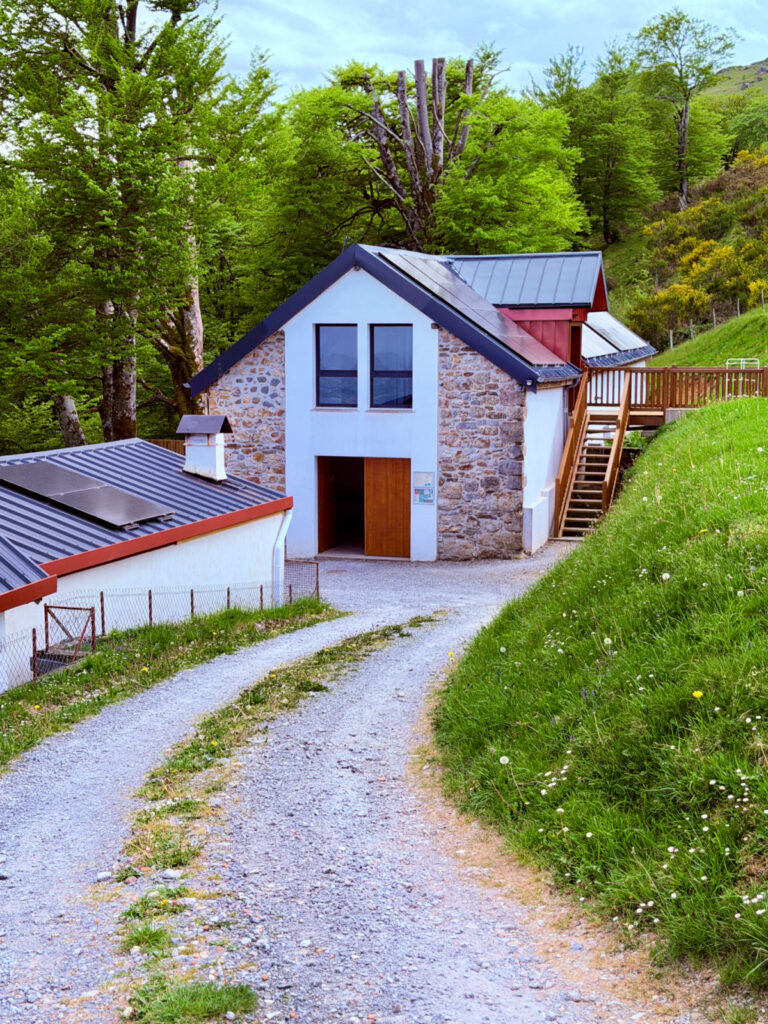
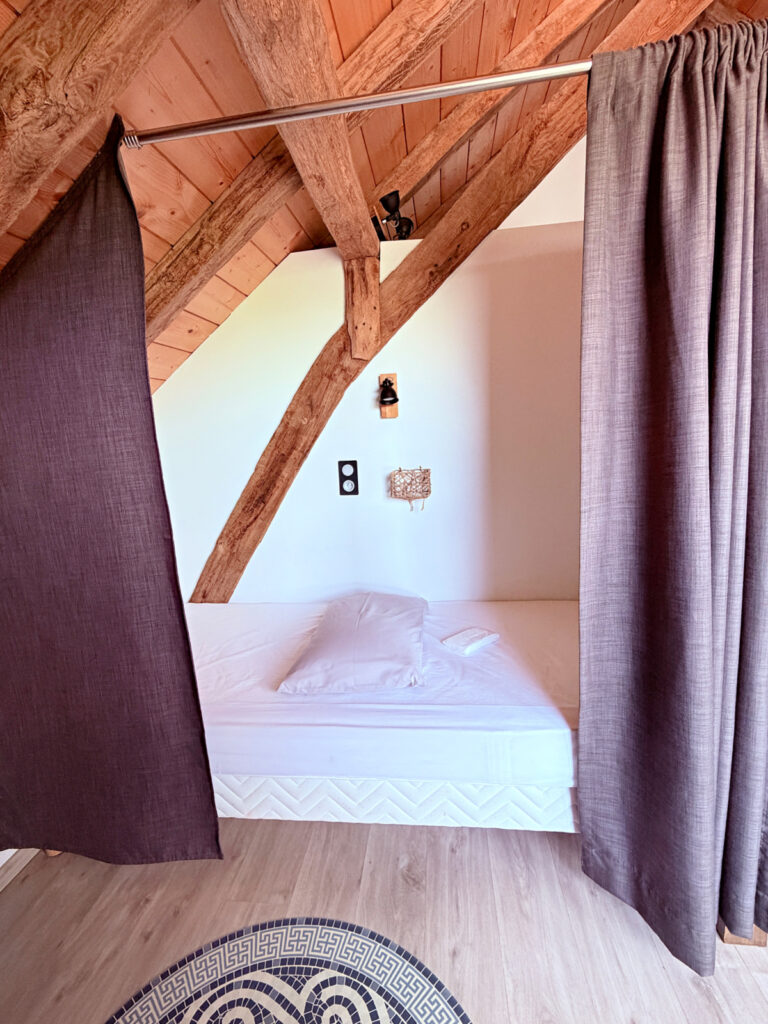
These may include:
- Smaller dorm rooms
- Private rooms
- Better mattresses
- Included meals
- Outdoor gardens or patios
- More modern bathrooms
For pilgrims wanting community without fully sacrificing sleep, private albergues can be a nice middle ground.
Pensiones (Pensions)
A pensión is typically a small guesthouse or family-run lodging option.
Think of it as somewhere between a budget inn and a simple hotel.
Rooms are often private, though bathrooms may sometimes be shared depending on the property. Pensiones usually feel more personal and local than larger hotels, and many pilgrims enjoy the quieter atmosphere after long walking days.
Some are incredibly charming. Others are simply practical places to shower, sleep, and keep moving.
On the Camino, both options have value.
Hostals
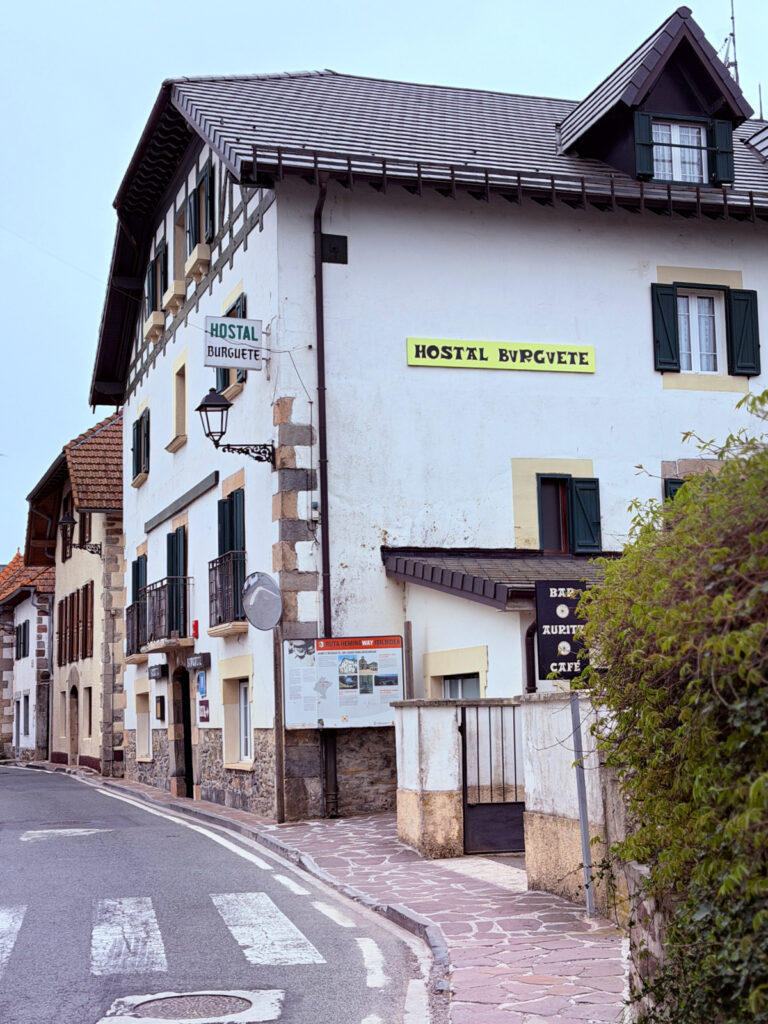
A hostal in Spain is not exactly the same thing as a hostel in the United States. This confuses almost everybody at first.
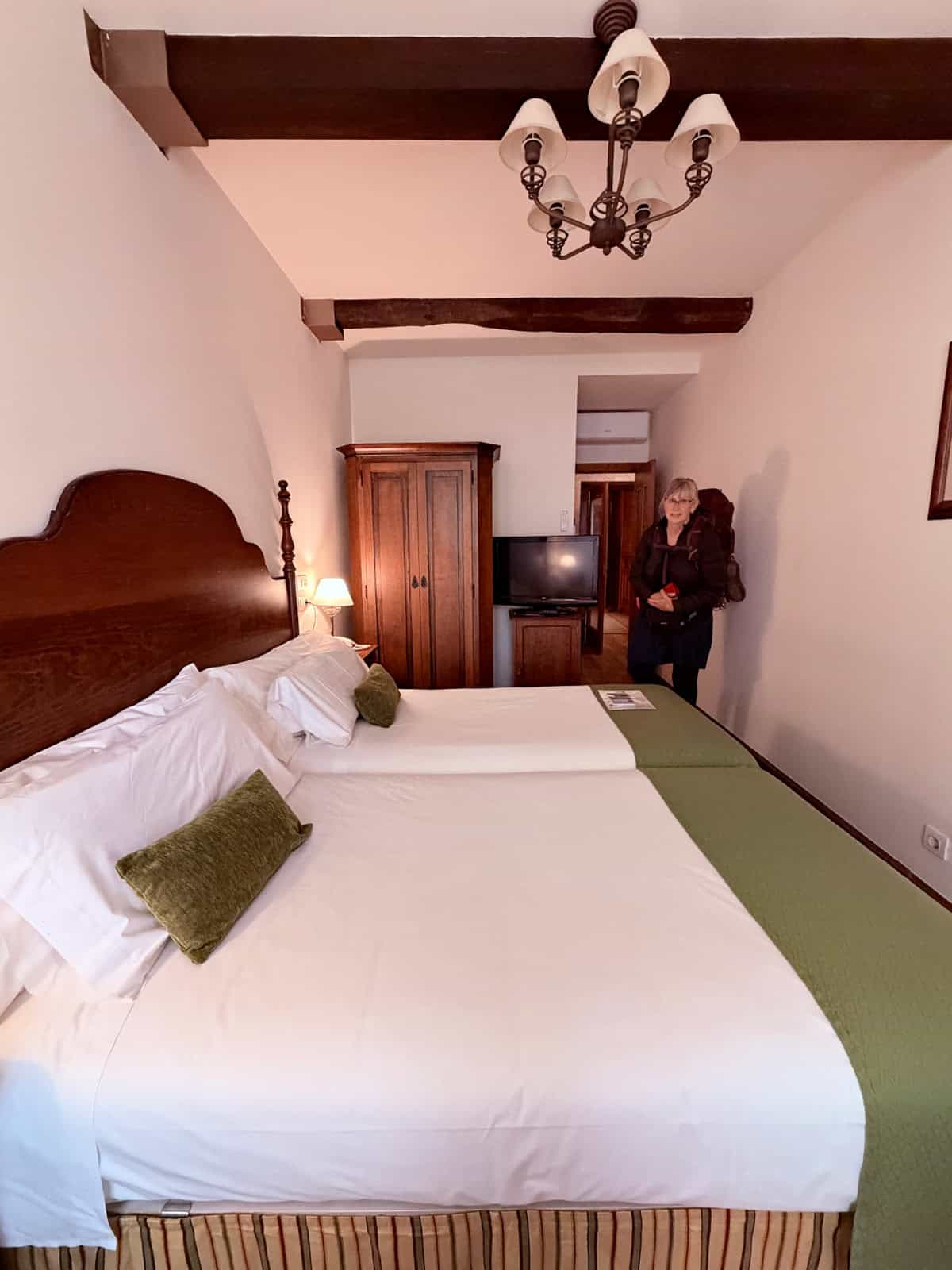
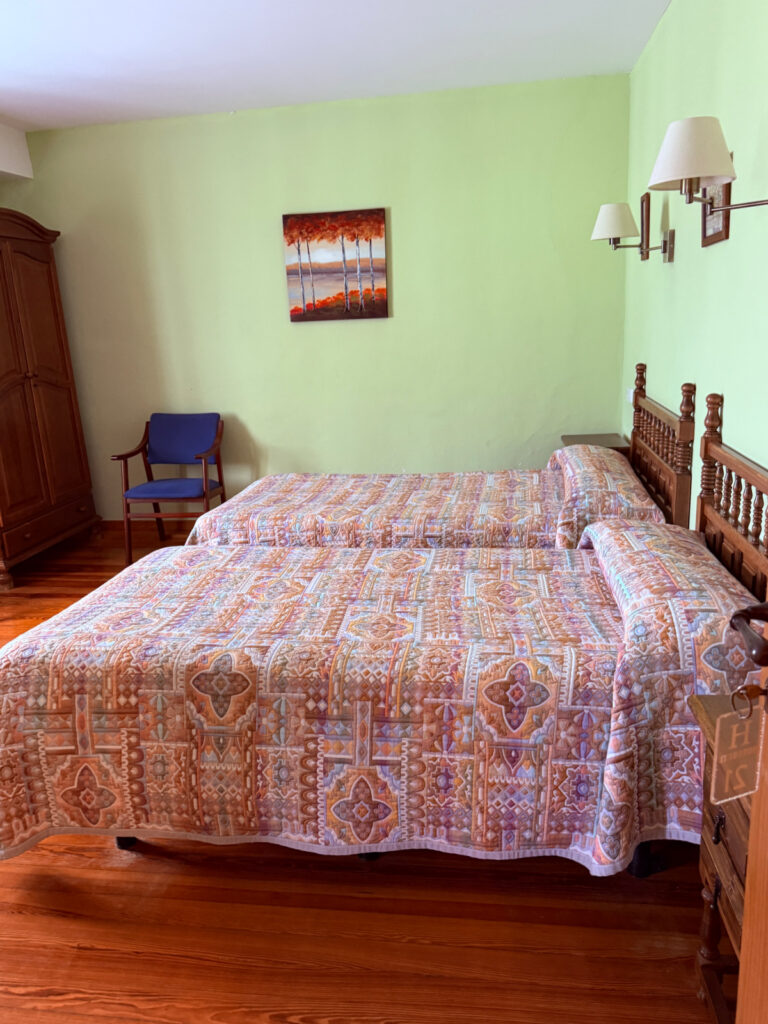
Spanish hostals are usually small hotels offering private rooms with private bathrooms. They’re often simpler and less expensive than full-service hotels but still very comfortable.
Many pilgrims love hostals because they provide:
- Privacy
- Comfortable beds
- Air conditioning
- Wi-Fi
- Fewer people snoring nearby
After multiple nights in shared dormitories, a private room in a hostal can feel like winning the Camino lottery.
Hotels
Sometimes pilgrims simply need a reset.
Hotels along the Camino range from modest chain properties to elegant historic buildings filled with old-world charm.
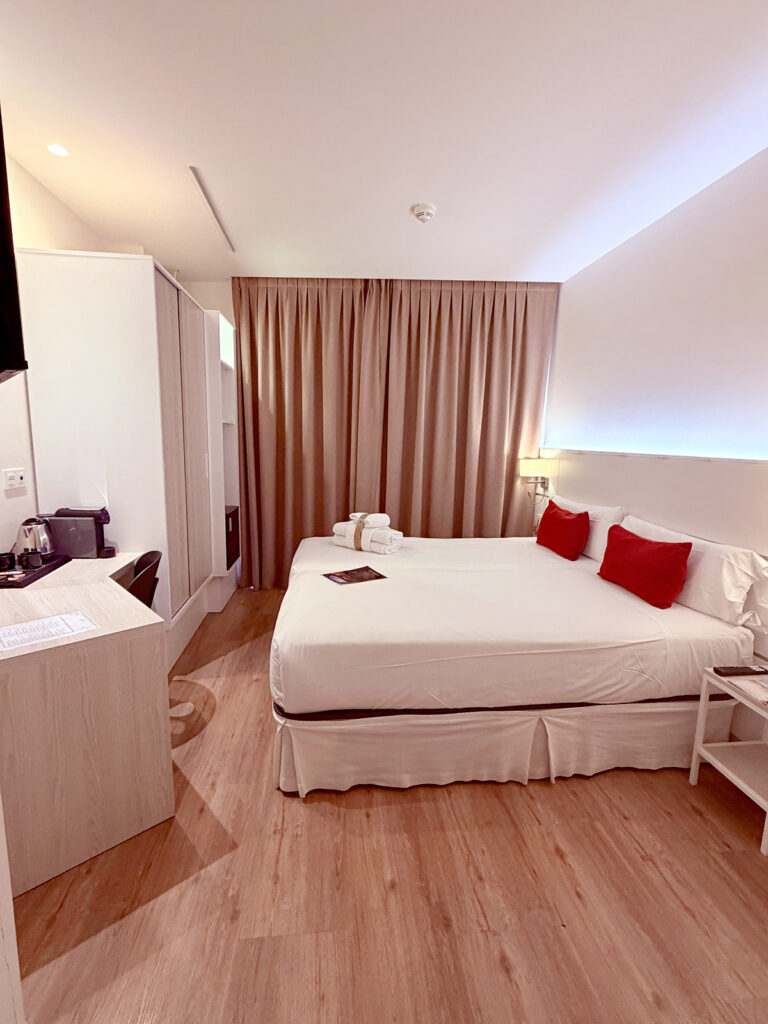
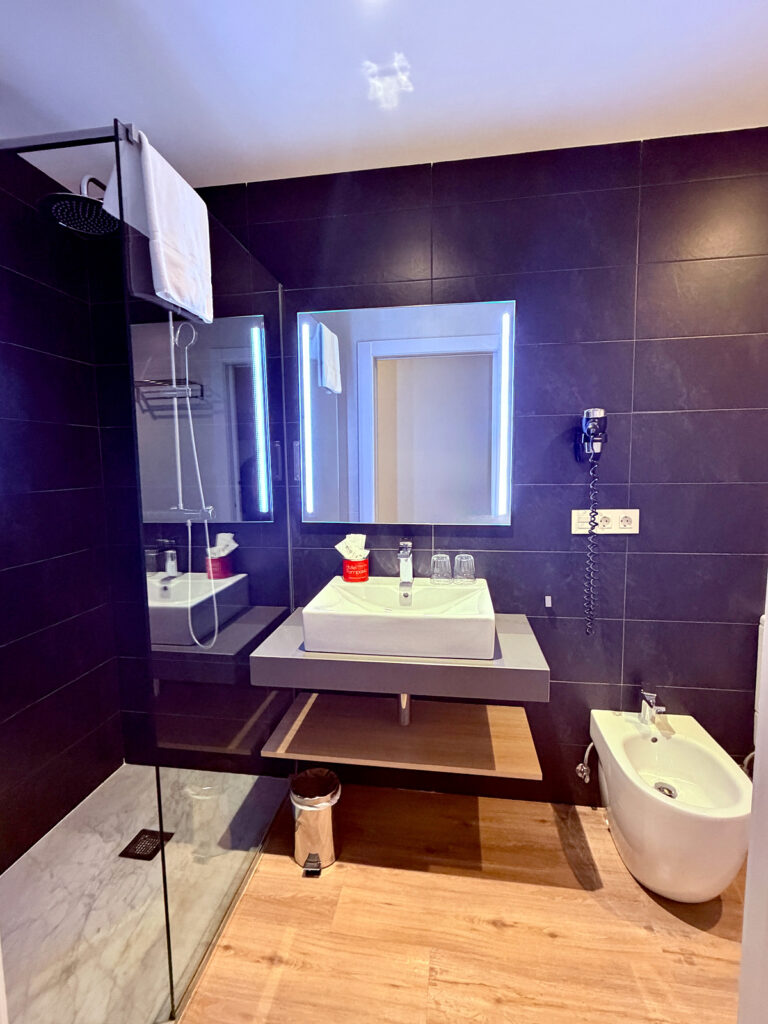
Amenities often include:
- Elevators
- Front desk staff
- Daily housekeeping
- Larger bathrooms
- More comfortable bedding
- Breakfast service
- Air conditioning
- Privacy and quiet
And after carrying a backpack across Spain, words like “plush towels” suddenly become emotionally meaningful.
Some pilgrims mix hotels into their Camino journey every few days as a way to recover physically and mentally.
Honestly? Smart strategy.
Gîtes and Auberges
If you walk portions of the Camino in France — especially near Saint-Jean-Pied-de-Port — you’ll likely encounter gîtes and auberges.
A gîte is a French-style guesthouse or lodging accommodation, often located in rural villages. Auberges are similar and usually function as inns or small countryside lodgings.
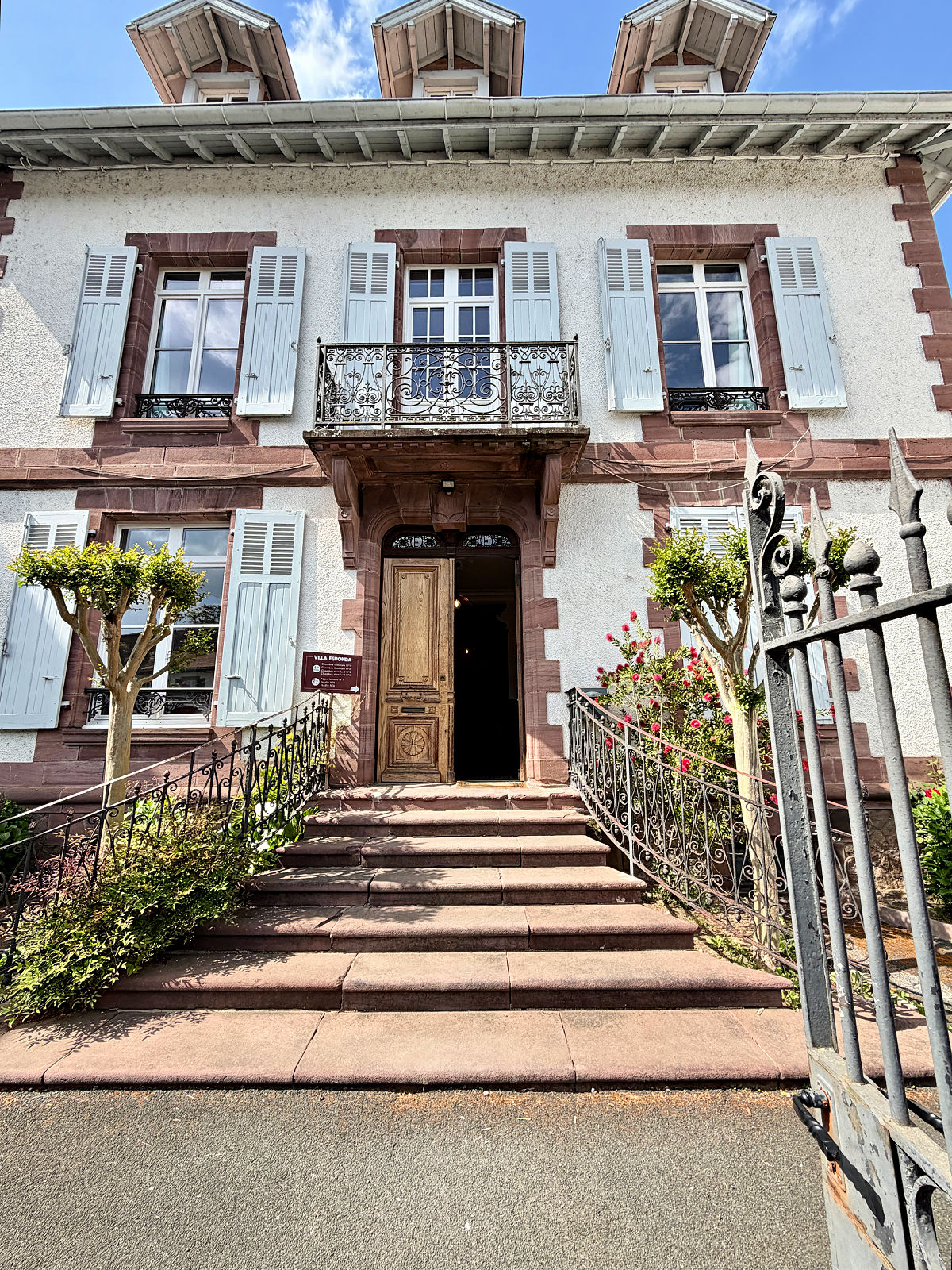
These accommodations range from simple communal stays to cozy guesthouses offering homemade meals and warm hospitality.
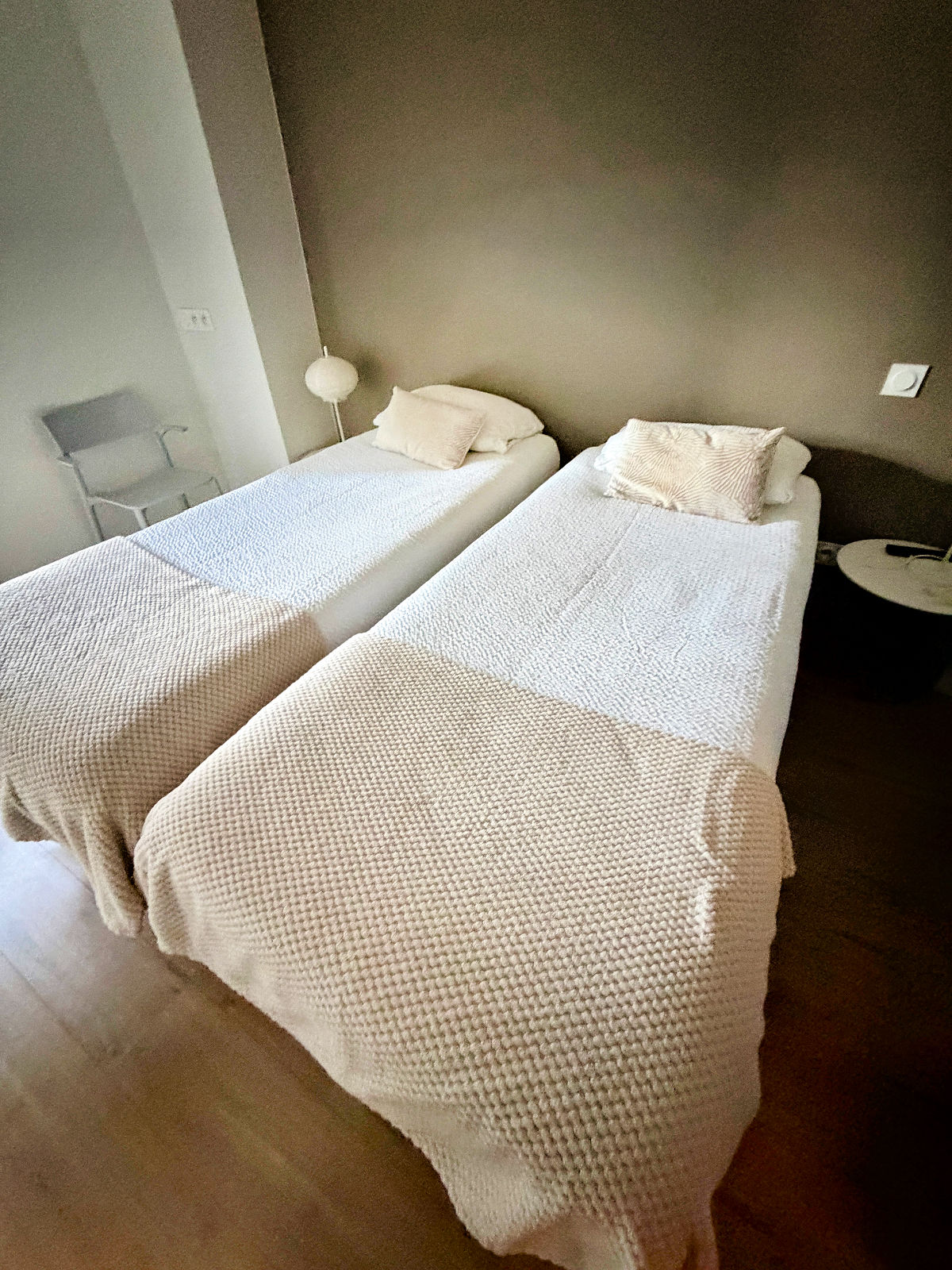
Some feel almost like staying in someone’s home. Others cater specifically to pilgrims and hikers.
And yes, many serve wine with dinner because France understands priorities.
Casas Rurales and Rural Hotels
One accommodation type many Camino pilgrims end up loving is the casa rural or hotel rural.
These rural guesthouses are common throughout Spain and are especially appealing after several nights of shared dorms, snoring symphonies, and wondering whether your socks will ever fully dry again.
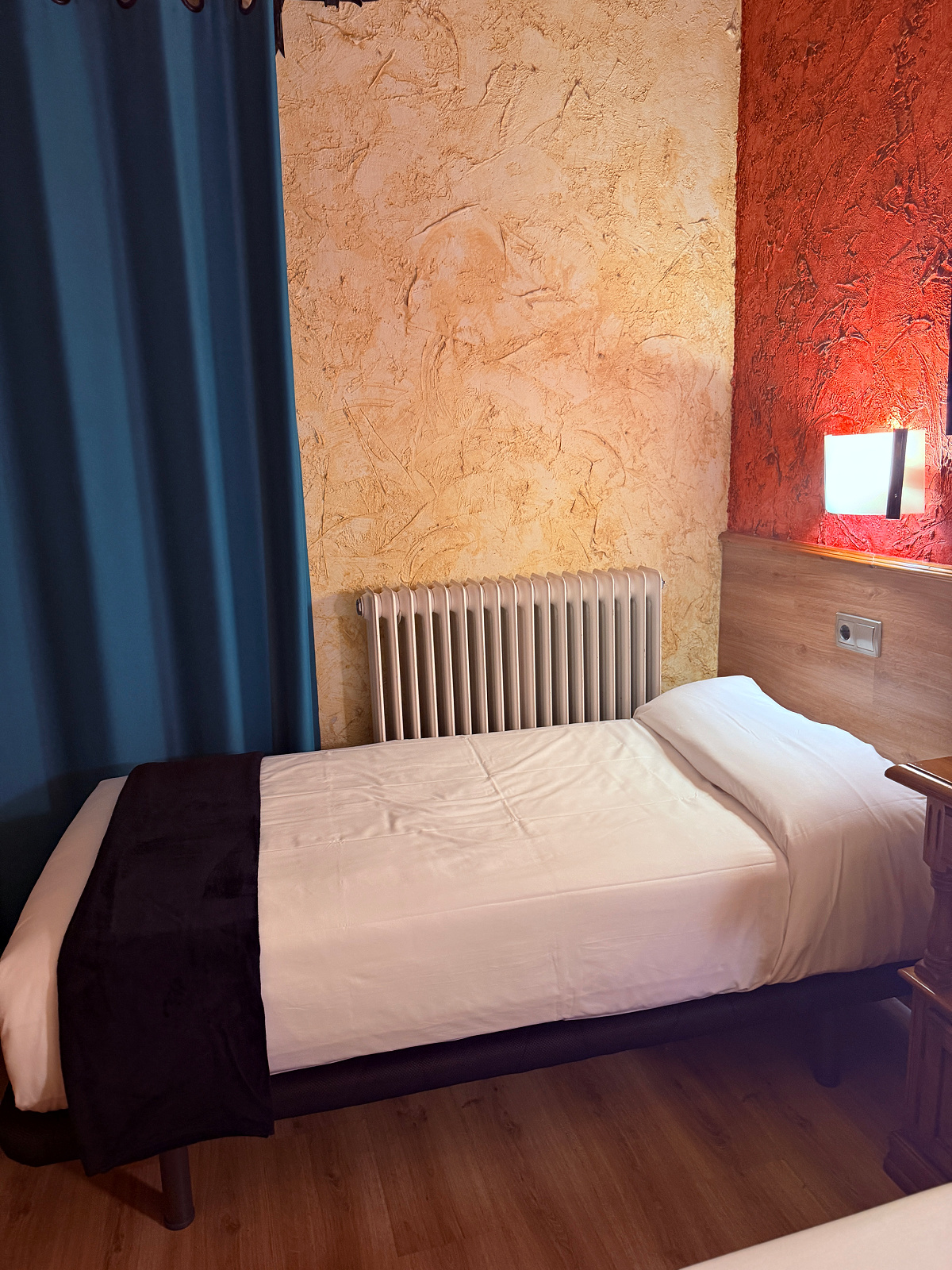
A rural hotel typically offers:
- Private rooms
- Quiet surroundings
- Rustic décor with stone walls and wood beams
- A more relaxed atmosphere
- Smaller, family-run hospitality
- Sometimes homemade meals or breakfast
- Scenic countryside settings
These stays often feel far more personal than large chain hotels and can provide a peaceful break from the busier Camino towns.
We especially appreciated small comforts in rural accommodations — including ceiling fans, which suddenly feel like a luxury item after walking all day across Spain with a backpack strapped to your body.
Monasteries and religious accommodations
Some pilgrims choose to stay in monasteries, convents, or church-run accommodations along the Camino.
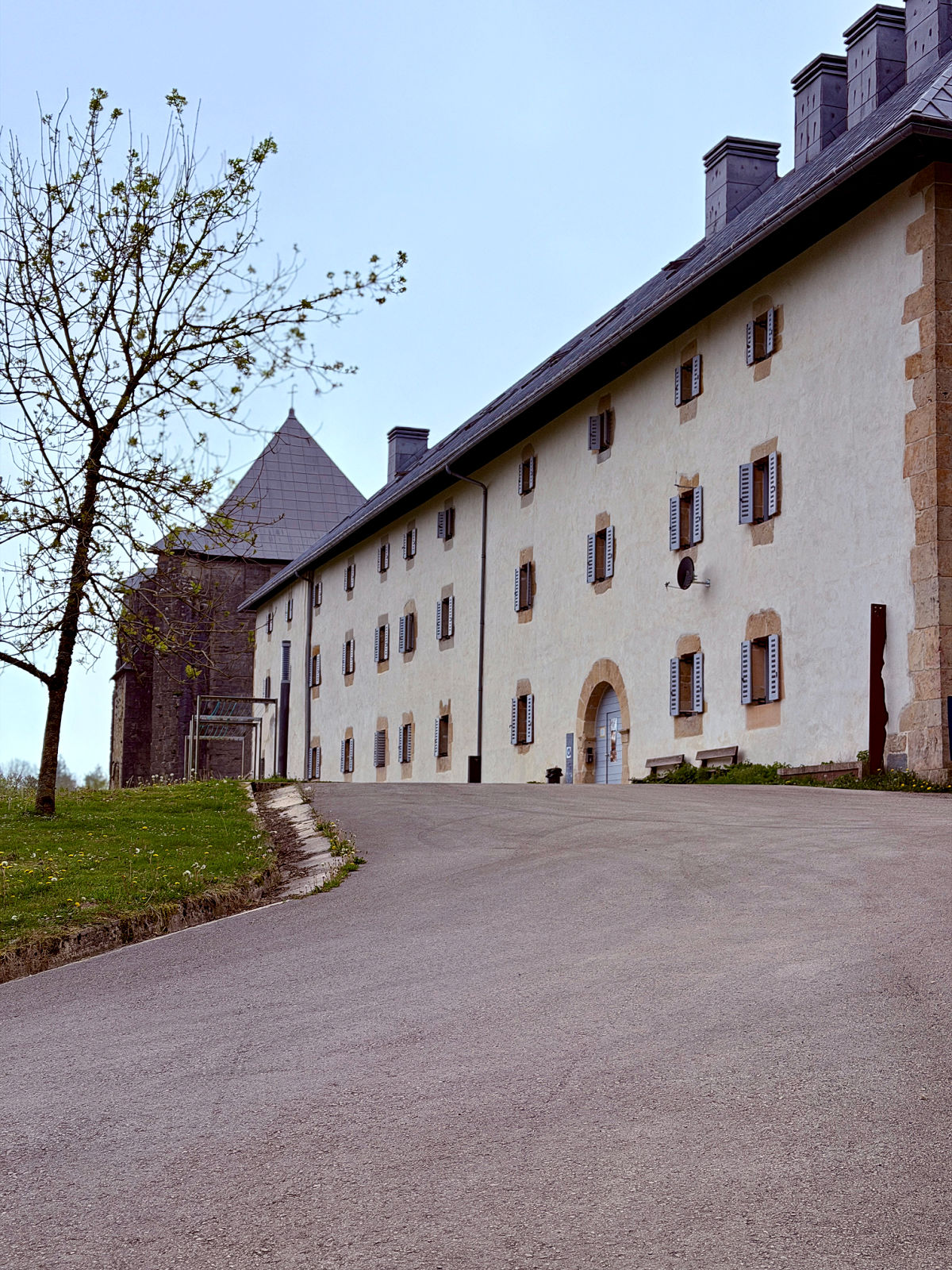
These stays are often simple but meaningful experiences that connect deeply to the spiritual roots of the pilgrimage.
Accommodations may include:
- Basic private or shared rooms
- Communal meals
- Curfews
- Quiet hours
- Pilgrim blessings or prayer services
Even for non-religious travelers, these stays can feel peaceful and memorable.
Which Camino accommodation is best?
Honestly? It depends on the kind of experience you want.
Some pilgrims want:
- Community
- Shared meals
- Budget-friendly lodging
- The traditional Camino atmosphere
Others want:
- Privacy
- Better sleep
- Air conditioning
- Fewer opportunities to hear strangers snore
Most pilgrims end up choosing a mix of accommodations throughout their journey.
And that’s one of the beautiful things about the Camino: there’s no single “right” way to do it.
Whether you’re sleeping in a rustic albergue with 30 strangers or collapsing into a hotel bed with plush towels and blessed silence, every overnight stay becomes part of the story.
And if you’ve walked farther than we did and have favorite accommodations along the remaining 400+ miles of the Camino, I’d genuinely love to hear your recommendations.
Final Call
Have you walked the Camino de Santiago or stayed in any of these accommodations? Leave a comment below and share your best (or funniest) Camino lodging story — especially if you have recommendations for places to stay farther along the route! And if you’re planning your own pilgrimage, save and share this guide so you know exactly what to expect before booking your next Camino stay.
