
What Is the Camino de Santiago?

For more than 1,000 years, people have been lacing up their boots, shouldering backpacks, and setting off across Europe toward a single destination: Santiago de Compostela, Spain. Some walk for faith. Some walk for adventure. Some walk because they’re celebrating a milestone, grieving a loss, seeking clarity, or simply curious whether they can do something that sounds a little crazy.
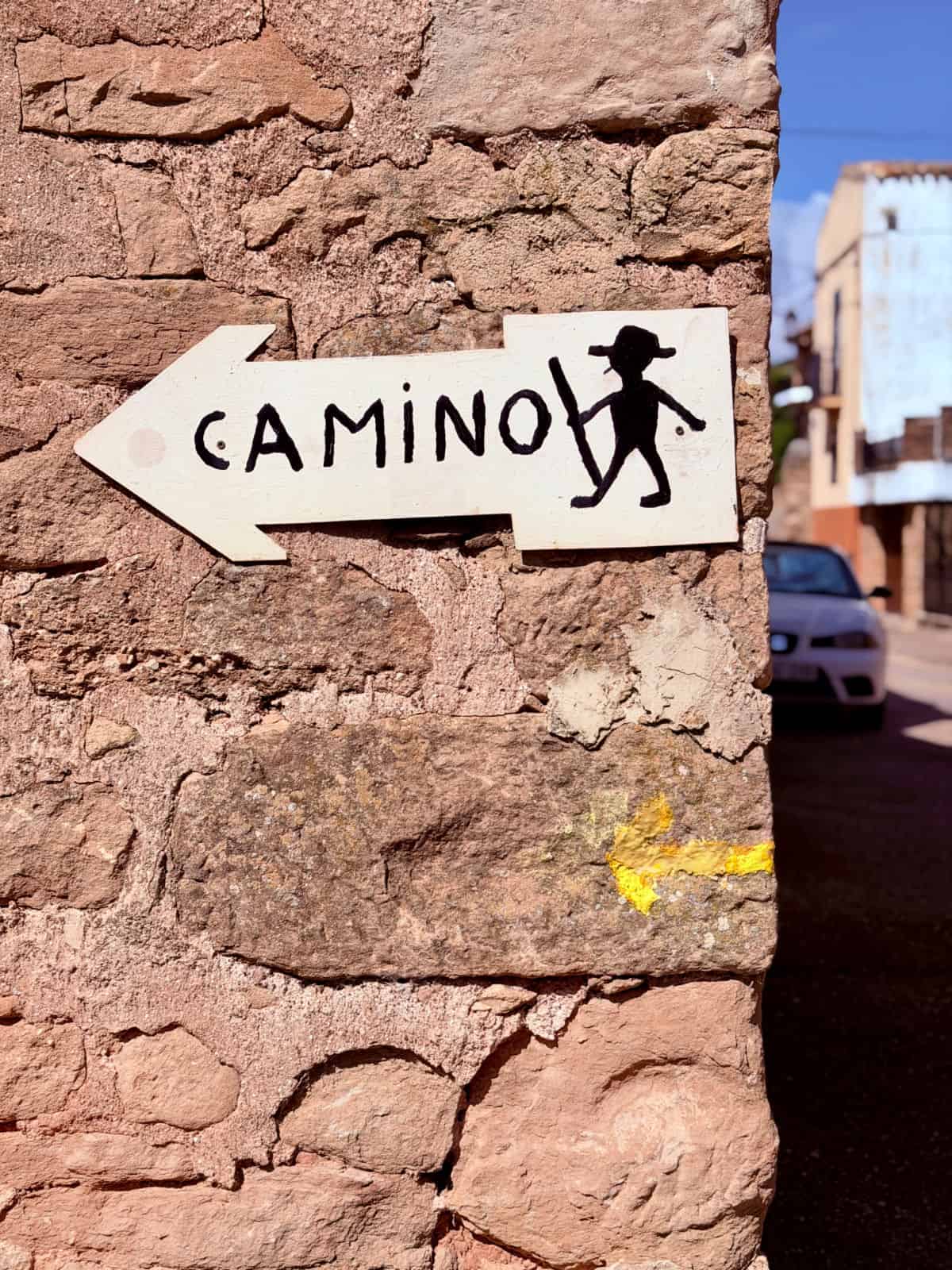
Whatever the reason, they all become part of one of the world’s most remarkable journeys: the Camino de Santiago.
While exploring Spain and southwestern France, my sister and I walked the first 100 miles of the Camino Francés, beginning in Saint-Jean-Pied-de-Port and continuing across northern Spain. It was one of the most memorable and challenging adventures we have shared, and I will be writing more about the journey in an upcoming series.
While I continue writing about our Camino adventure, visit my Spain category to read all of the posts I have published so far about the places we visited, where we stayed, what we ate, and what we experienced along the way.
Day 1: St. Jean Pied de Port to Honto
Day 2: Honto to Burguete
Day 3: Burguete to Zubiri
After walking approximately the first 100 miles of the Camino Francés with my sister Diane, I can confidently say this is far more than a hike. It’s part history lesson, part cultural immersion, part endurance challenge, and part personal journey.
So what exactly is the Camino, and why are hundreds of thousands of people drawn to it every year?
What is the Camino de Santiago?
The Camino de Santiago, or “Way of Saint James,” is a network of ancient pilgrimage routes leading to Santiago de Compostela in the region of Galicia in northwestern Spain.
The destination is the Cathedral of Santiago de Compostela, which tradition holds contains the remains of Saint James the Apostle, one of Jesus’ twelve disciples.
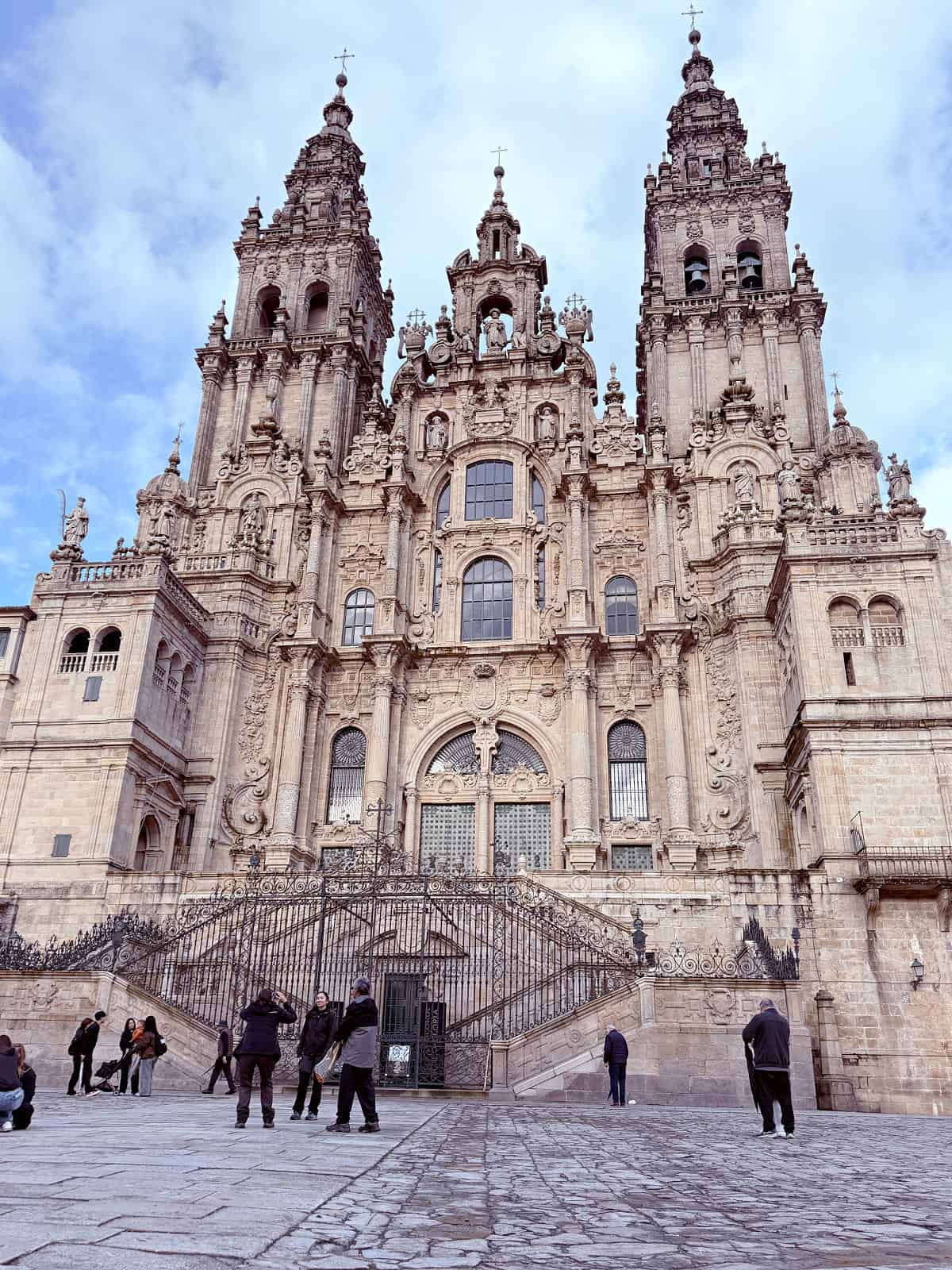
Pilgrims carry a credential, often called a pilgrim passport, collecting stamps along the route to document their journey. Those who complete the required distance may receive a Compostela certificate from the Pilgrim’s Office in Santiago.
While the Camino has deep Christian roots, modern pilgrims come from all backgrounds and beliefs. Some are devout Christians. Others are spiritual but not religious. Many simply want an unforgettable adventure.
How old is the Camino?
The Camino’s origins date back to the 9th century, when the tomb believed to belong to Saint James was discovered. By the Middle Ages, Santiago had become one of Christianity’s three major pilgrimage destinations, alongside Jerusalem and Rome. Pilgrims traveled from across Europe, often facing tremendous hardships to reach Santiago.
Unlike many historic traditions, the Camino never completely disappeared. Interest surged again in the late 20th century, and today hundreds of thousands of pilgrims walk portions of the route every year.
When you walk the Camino, you’re literally following paths that countless others have walked for centuries. That’s a humbling thought, somewhere around mile ten, when you’re wondering whose idea this was.
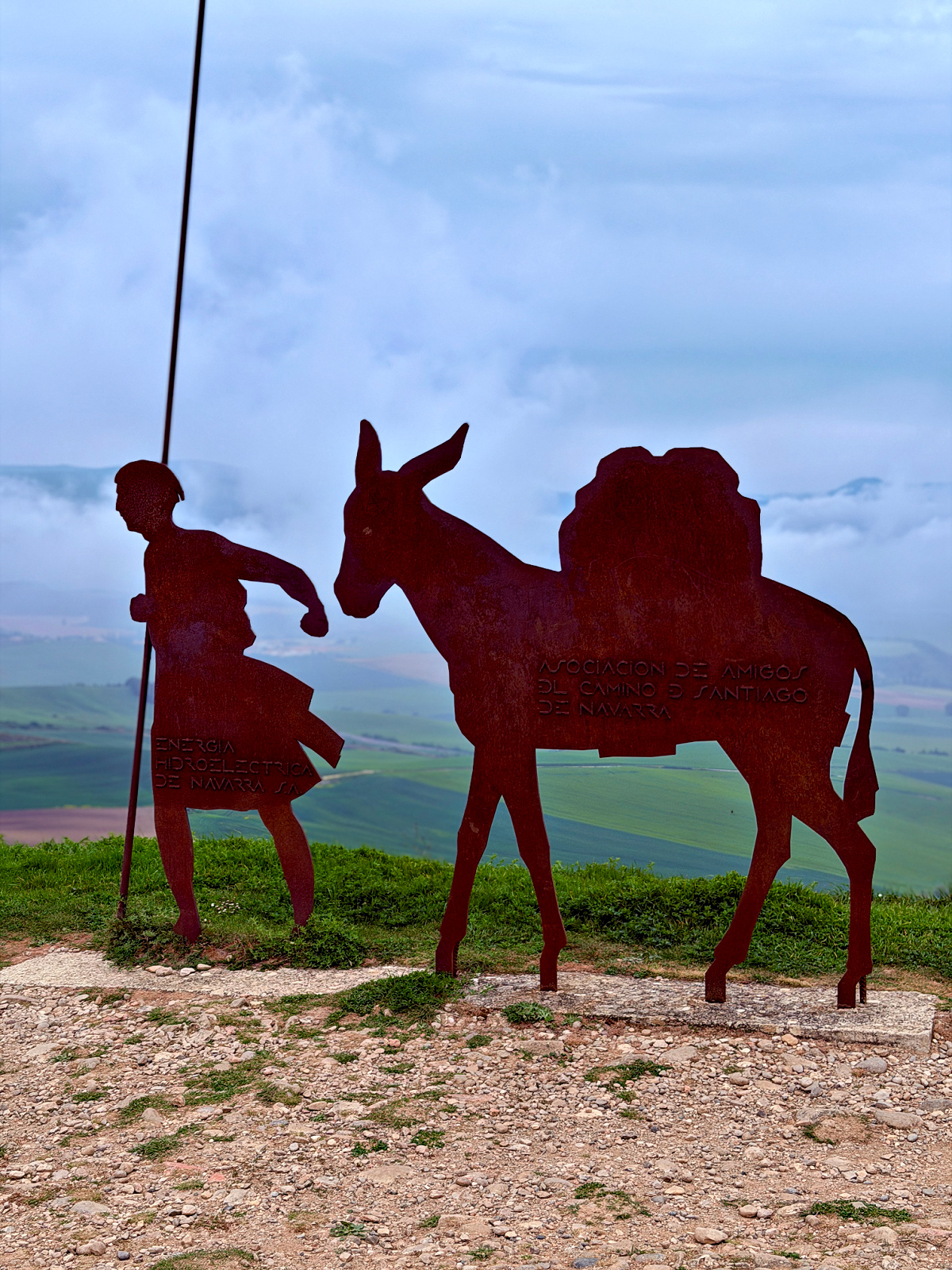
The Major Camino Routes
One thing many first-time pilgrims don’t realize is that there isn’t just one Camino. There are numerous routes leading to Santiago.
Camino Francés
The Camino Francés (French Way) is the most popular route.
- Starts: Saint-Jean-Pied-de-Port, France
- Ends: Santiago de Compostela
- Distance: Approximately 500 miles (800 km)
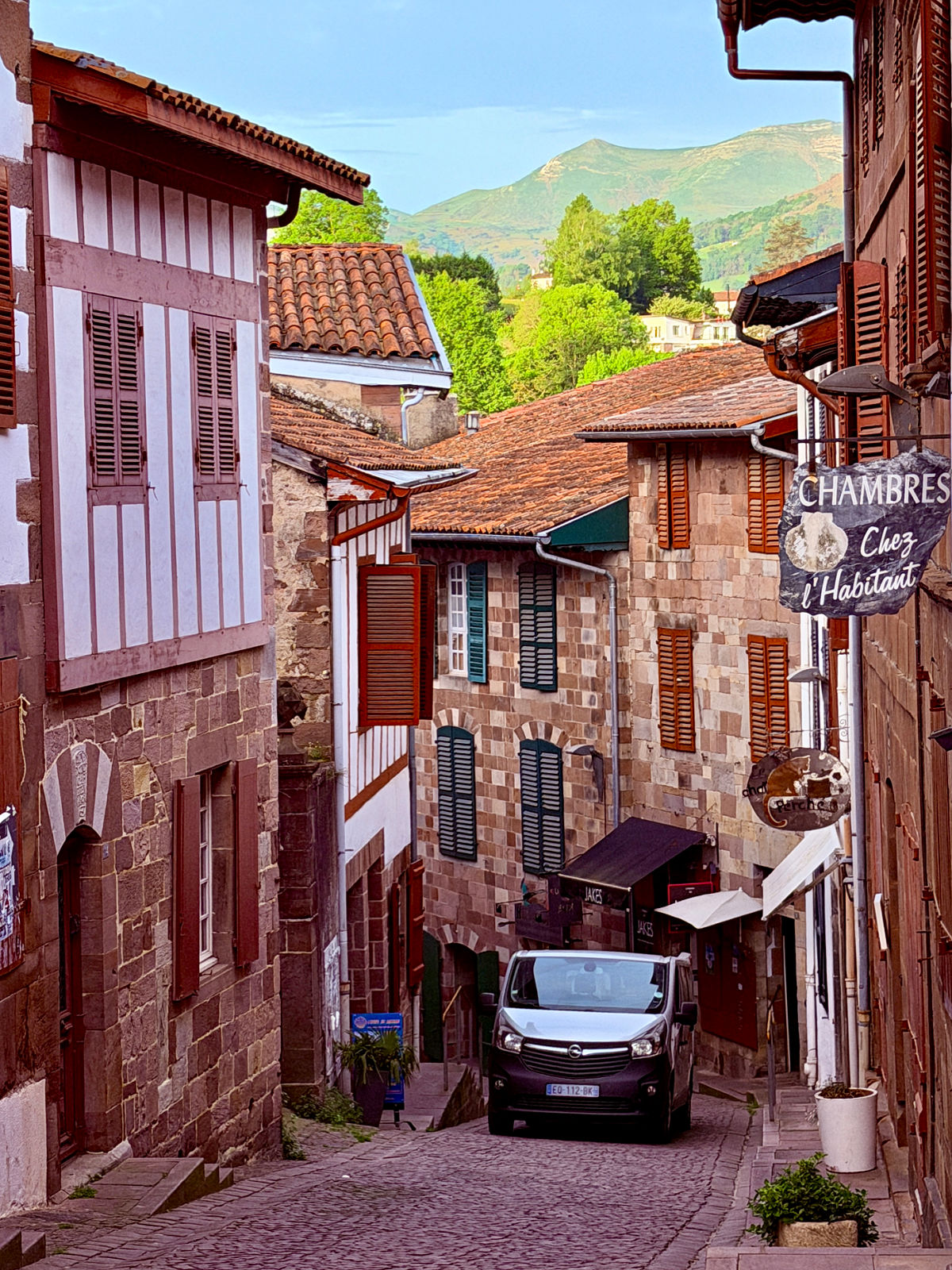
This is the route my sister and I began. It crosses the Pyrenees before winding through northern Spain. Many pilgrims consider it the classic Camino experience because of its infrastructure, history, and large pilgrim community.
Camino Portugués
- Starts: Lisbon or Porto, Portugal
- Distance: Approximately 150–380 miles depending on starting point
This route has become increasingly popular thanks to beautiful coastal scenery, charming Portuguese towns, and generally gentler terrain.
Camino del Norte
- Starts: Irún, Spain
- Distance: Approximately 510 miles
Following Spain’s northern coastline, this route offers stunning ocean views and cooler temperatures. Many consider it one of the most beautiful routes, though it can also be more physically demanding.
Camino Primitivo
- Starts: Oviedo, Spain
- Distance: Approximately 200 miles
Known as the Original Way, this route is believed to be the oldest Camino path. It’s also one of the most challenging, with significant elevation changes and rugged terrain.
Via de la Plata
- Starts: Seville, Spain
- Distance: Approximately 620 miles
The longest major Camino route, this path traverses much of western Spain and attracts pilgrims seeking a quieter experience.
Camino Inglés
- Starts: Ferrol or A Coruña
- Distance: Approximately 75–120 miles
Historically used by pilgrims arriving by sea from England and Northern Europe. Today it appeals to travelers with limited time.
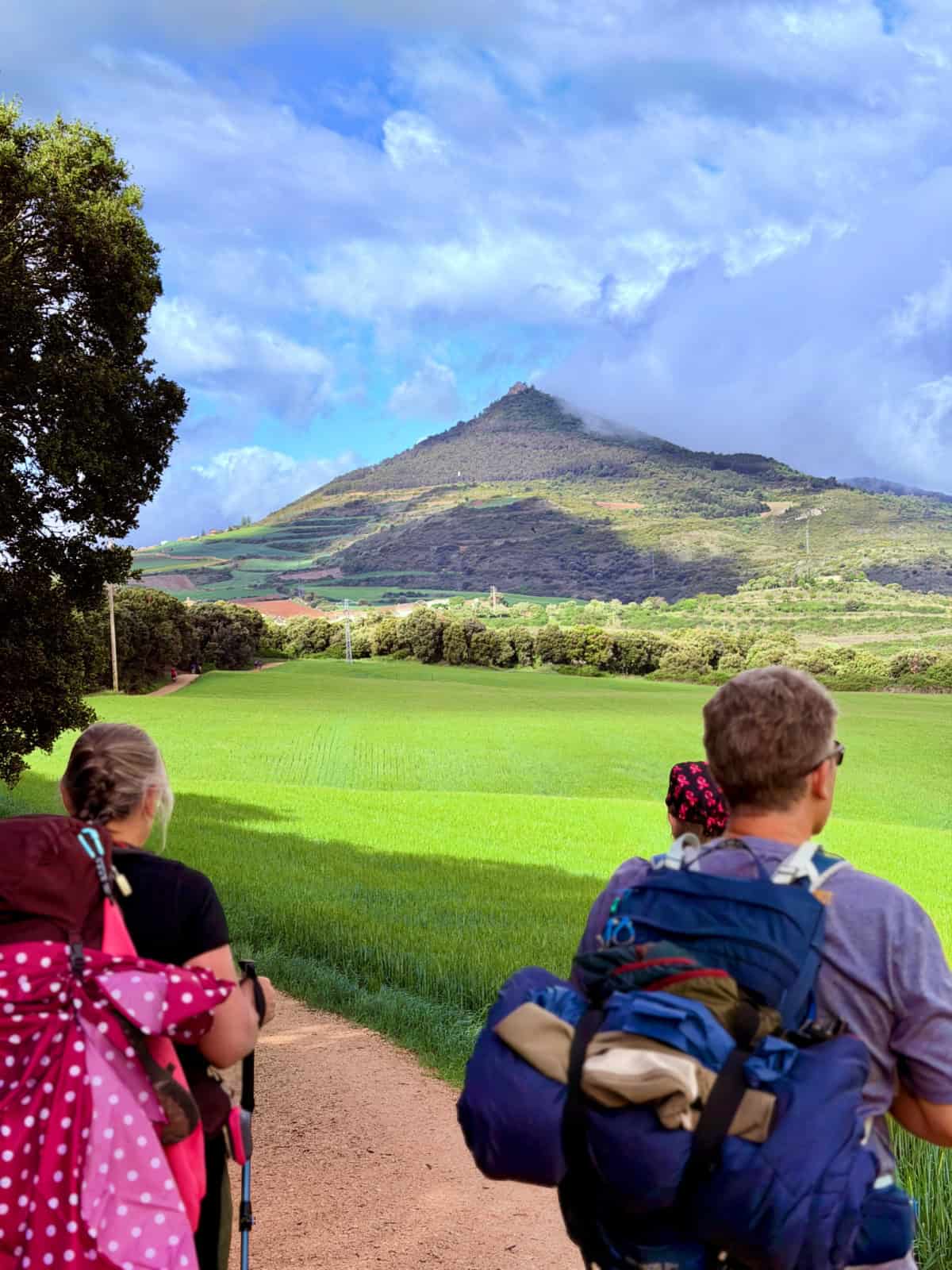
Why do people walk the Camino?
Ask ten pilgrims why they’re walking, and you’ll likely hear ten different answers.
Religious pilgrimage
For many, the Camino remains an act of faith. Pilgrims attend Mass, visit churches, reflect on their spiritual lives, and seek a deeper connection with God.
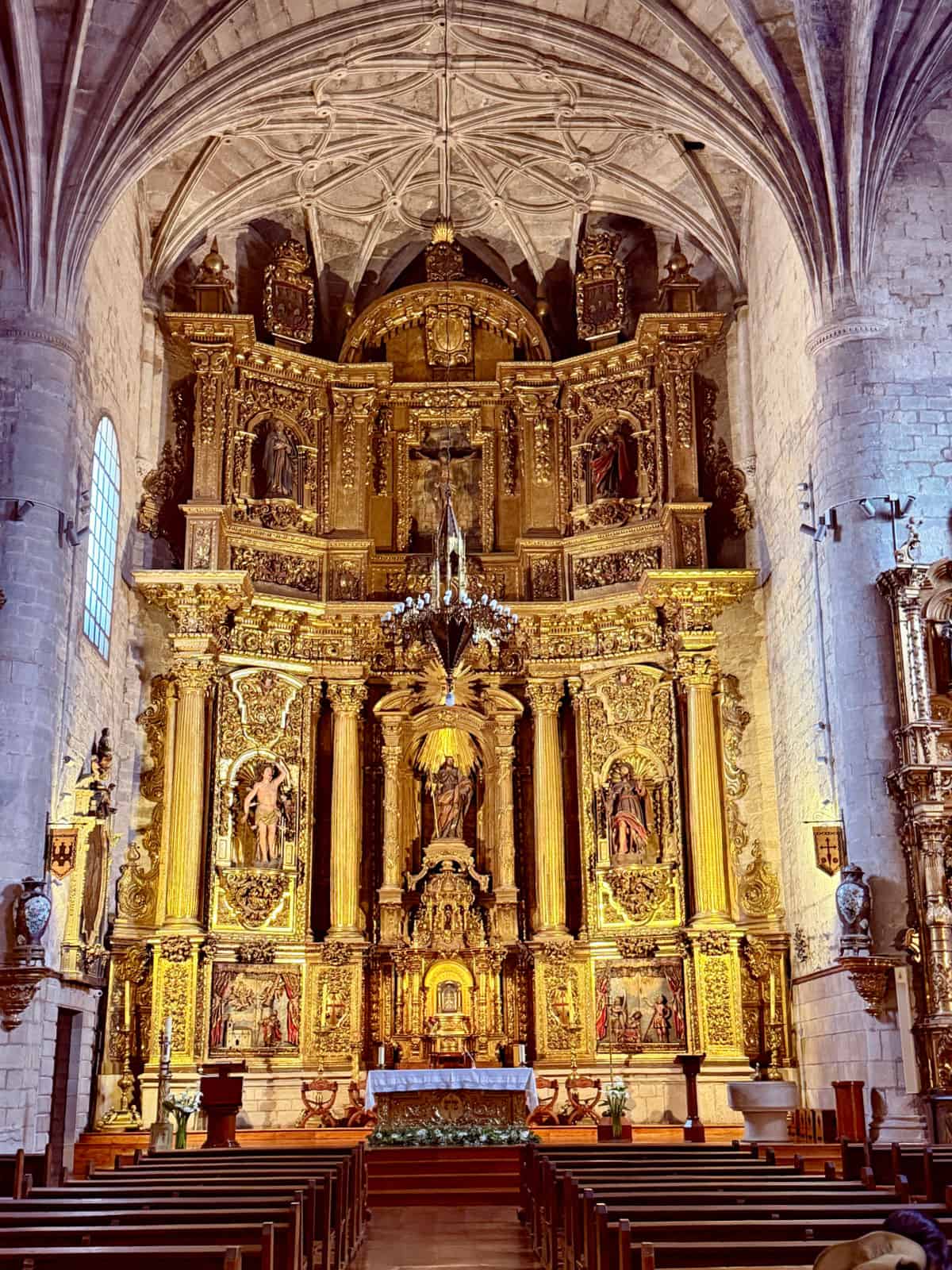
Personal Growth
Others walk during periods of transition. Retirement. Career changes. Loss of a loved one. Divorce. Major life decisions. The Camino creates space to think in ways modern life rarely allows.
Adventure
Let’s be honest. Some people simply like the idea of walking across Spain. And that’s perfectly valid. The scenery, food, culture, and challenge create an experience unlike any typical vacation.
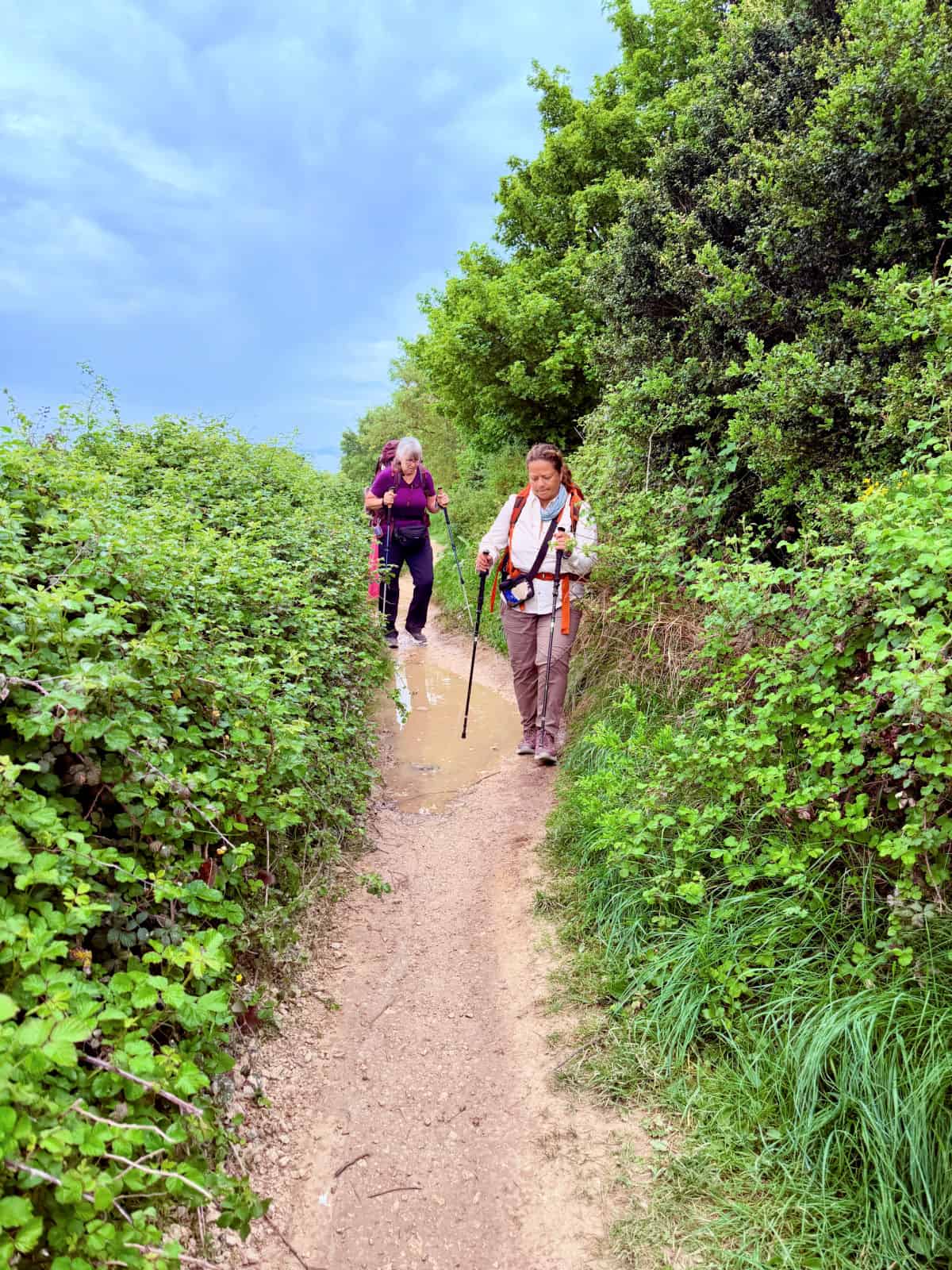
Connection
One of the most surprising aspects of the Camino is the community. Pilgrims from dozens of countries share meals, stories, encouragement, and sometimes blister supplies. Complete strangers can become lifelong friends.
The Beauty of the Camino
There are obvious highlights:
- Mountain vistas
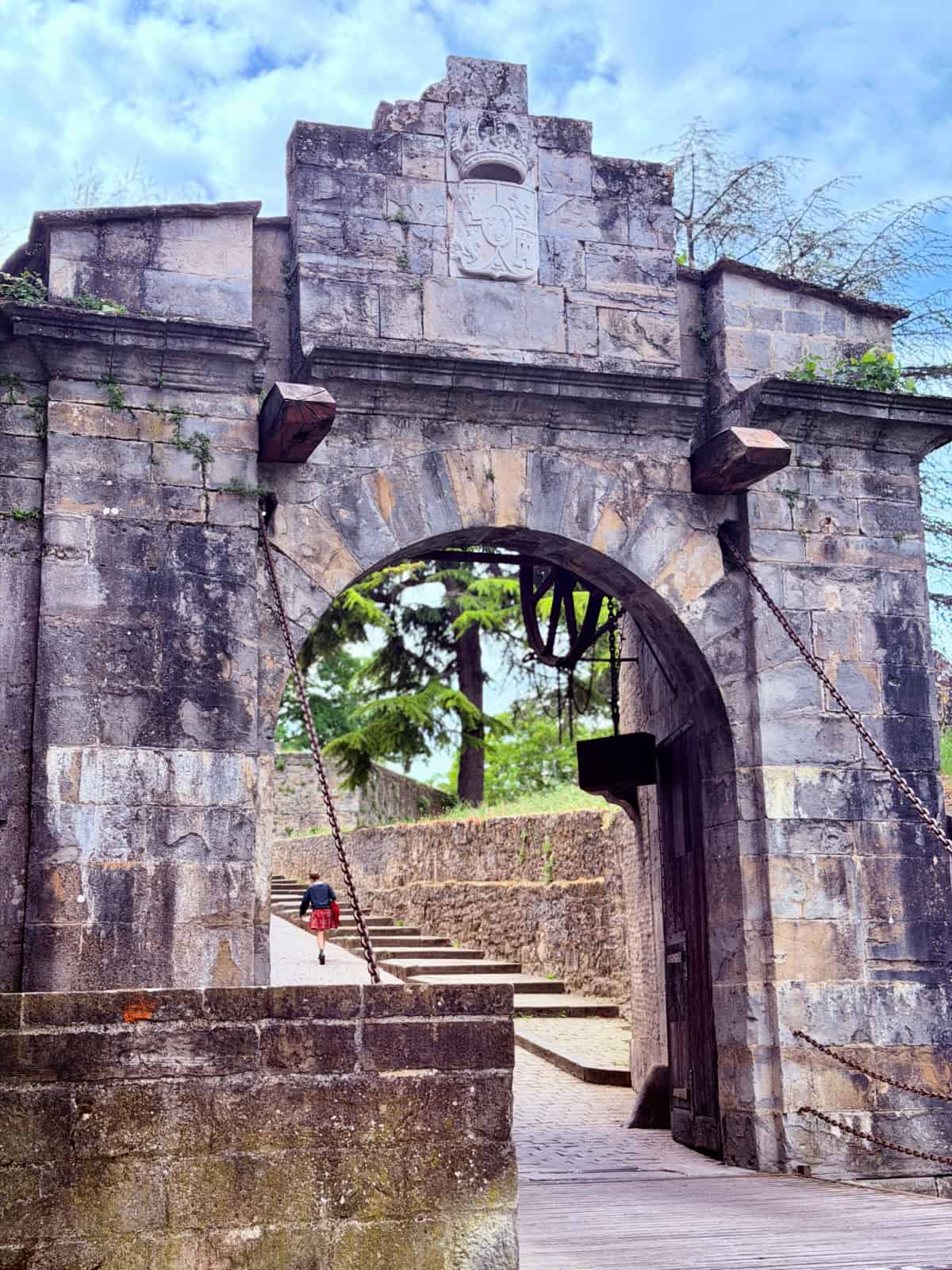
- Medieval villages
- Ancient churches
- Rolling vineyards
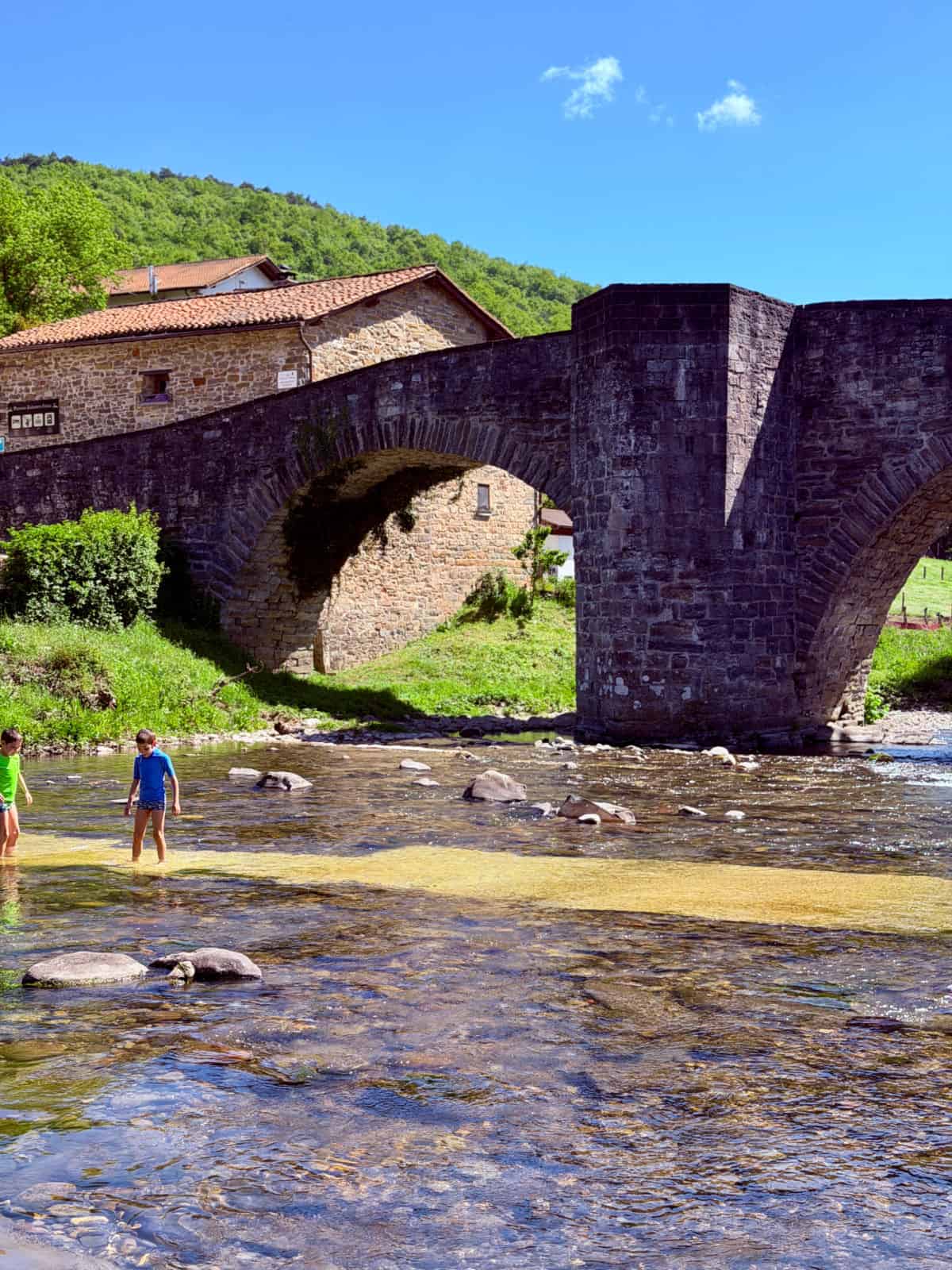
- Stone bridges
- Historic city centers
- Sunrises over quiet trails
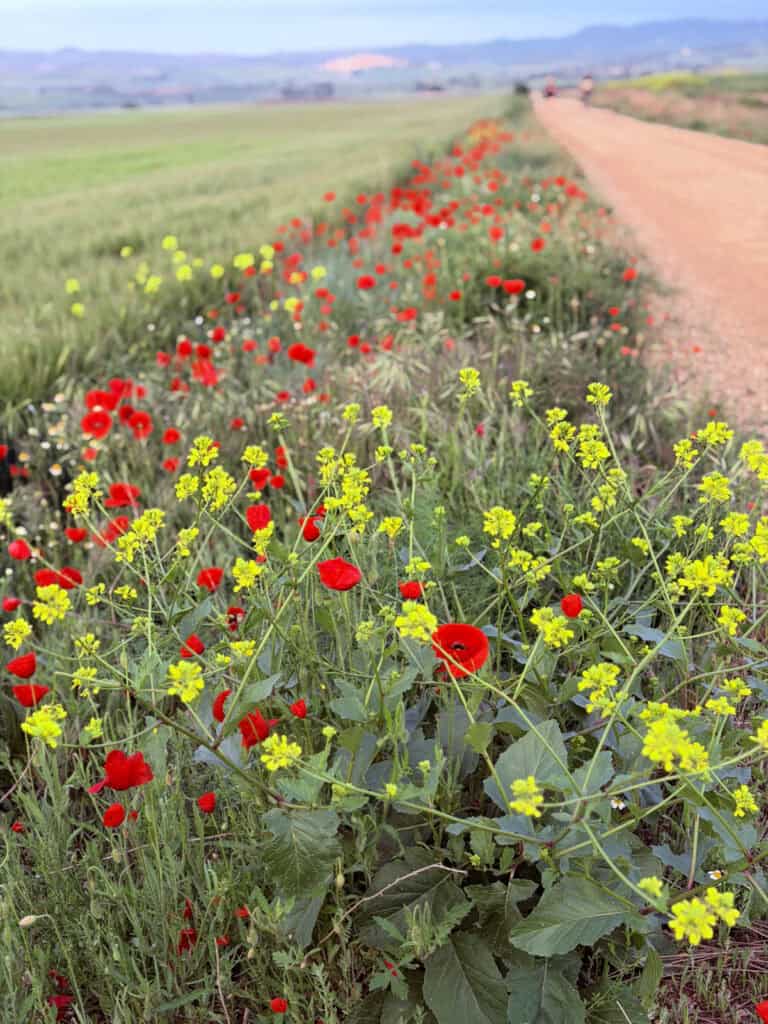
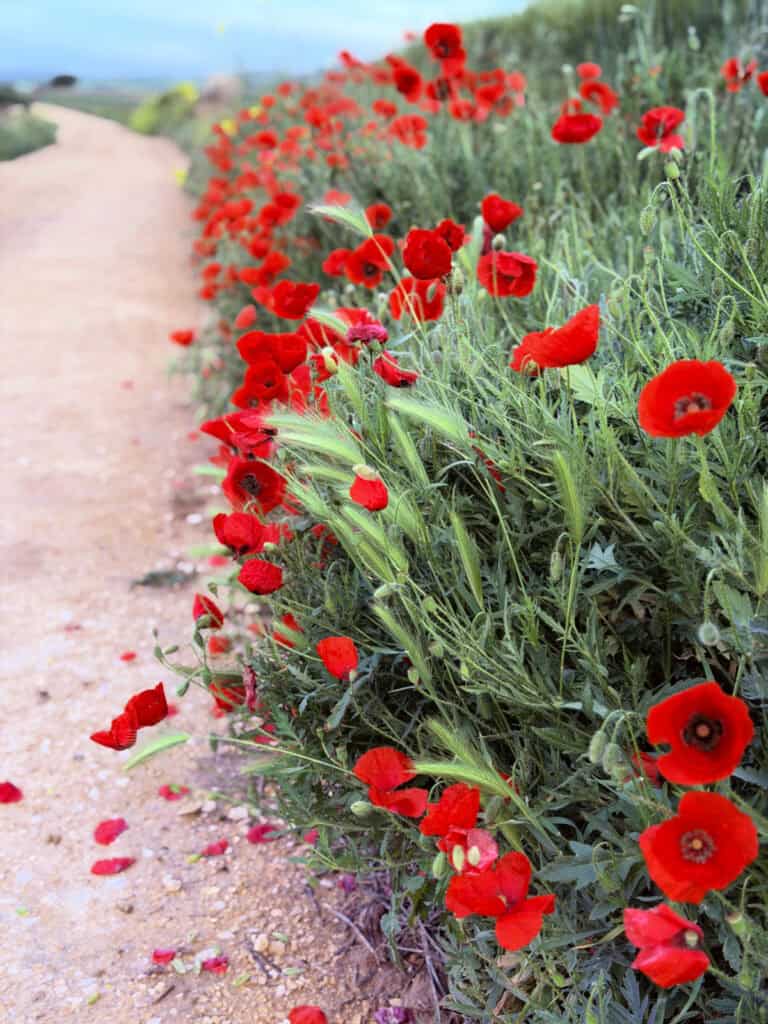
But some of the beauty isn’t found in the scenery. It’s found in the simplicity. Wake up. Walk. Eat. Repeat.
The Camino strips life down to essentials. And somehow that feels refreshing.
The challenges and dangers
The Camino is incredibly rewarding, but it isn’t always easy.
Physical Challenges
- Blisters
- Muscle soreness
- Joint pain
- Heat exhaustion
- Fatigue
- Rain and weather changes
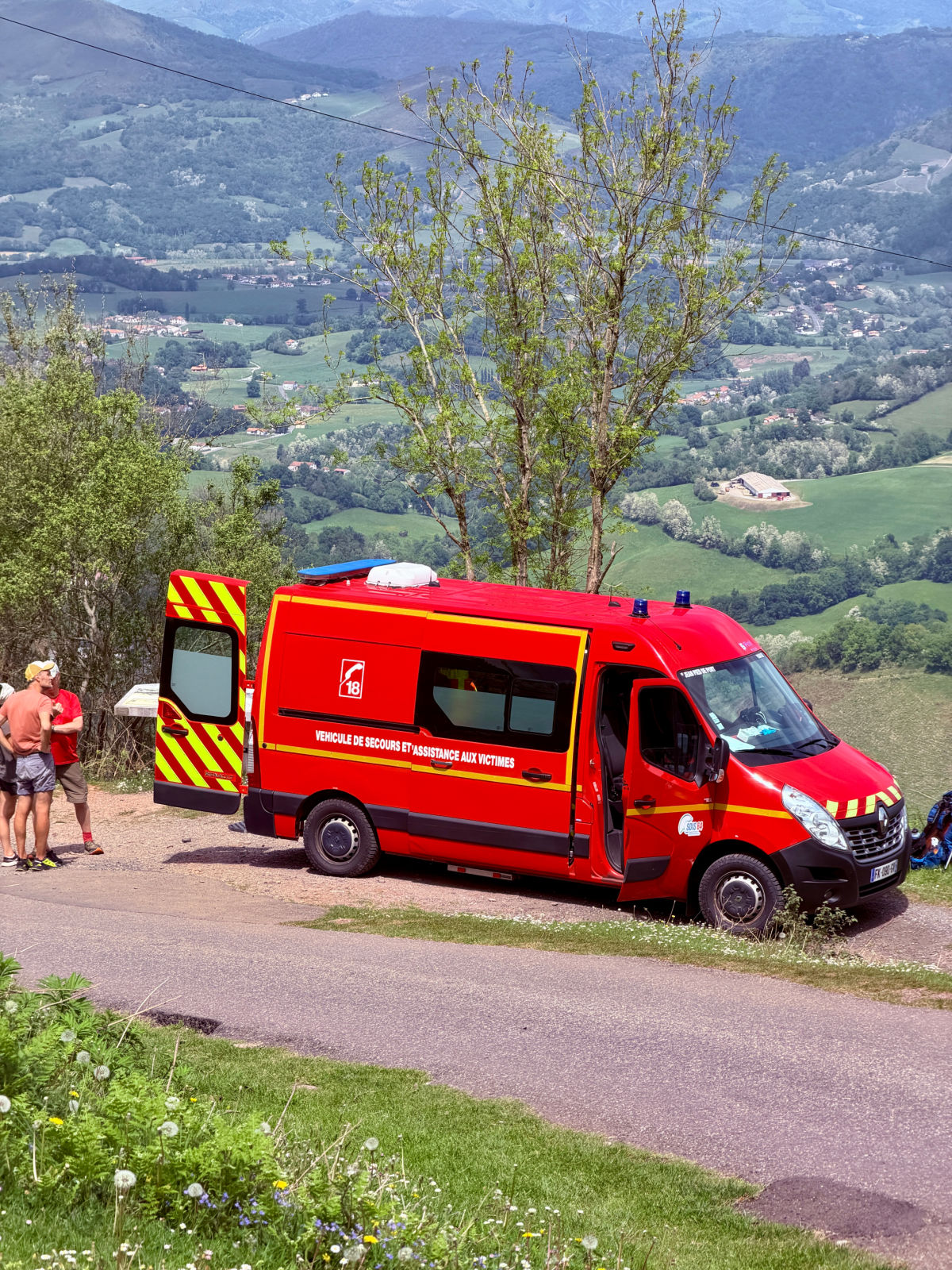
The first day crossing the Pyrenees is often considered one of the most difficult stages on the Camino Francés.
Logistical Challenges
- Finding accommodations
- Language barriers
- Carrying luggage
- Navigating unfamiliar towns
- Laundry
You’ll quickly discover that clean socks can dramatically improve your outlook on life.
Safety Concerns
The Camino is generally considered very safe.
However, pilgrims should still be mindful of:
- Theft in larger cities
- Traffic when walking road sections
- Heat-related illness
- Dehydration
- Injuries from falls
Common-sense precautions go a long way.
Is the Camino worth it?
Only you can answer that. But if you’re looking for a journey that combines history, culture, physical challenge, personal reflection, and some of the most memorable experiences Europe has to offer, the Camino may be exactly what you’re looking for.
You’ll likely come home with sore feet. You’ll probably develop strong opinions about hiking socks.And you may discover something unexpected about yourself along the way.
For many pilgrims, that’s the real destination.
When is the best time to walk the Camino?
The short answer: spring and fall.
The longer answer: it depends on your tolerance for crowds, heat, rain, and whether you’d rather share a dorm room with 10 pilgrims or 50.
Spring (April–June)
For many pilgrims, spring is the sweet spot.
Pros:
- Mild temperatures
- Wildflowers and green landscapes
- Longer daylight hours
- Comfortable walking weather
- Many services open
Cons:
- Increasing crowds, especially in May
- Some rain, particularly in northern Spain
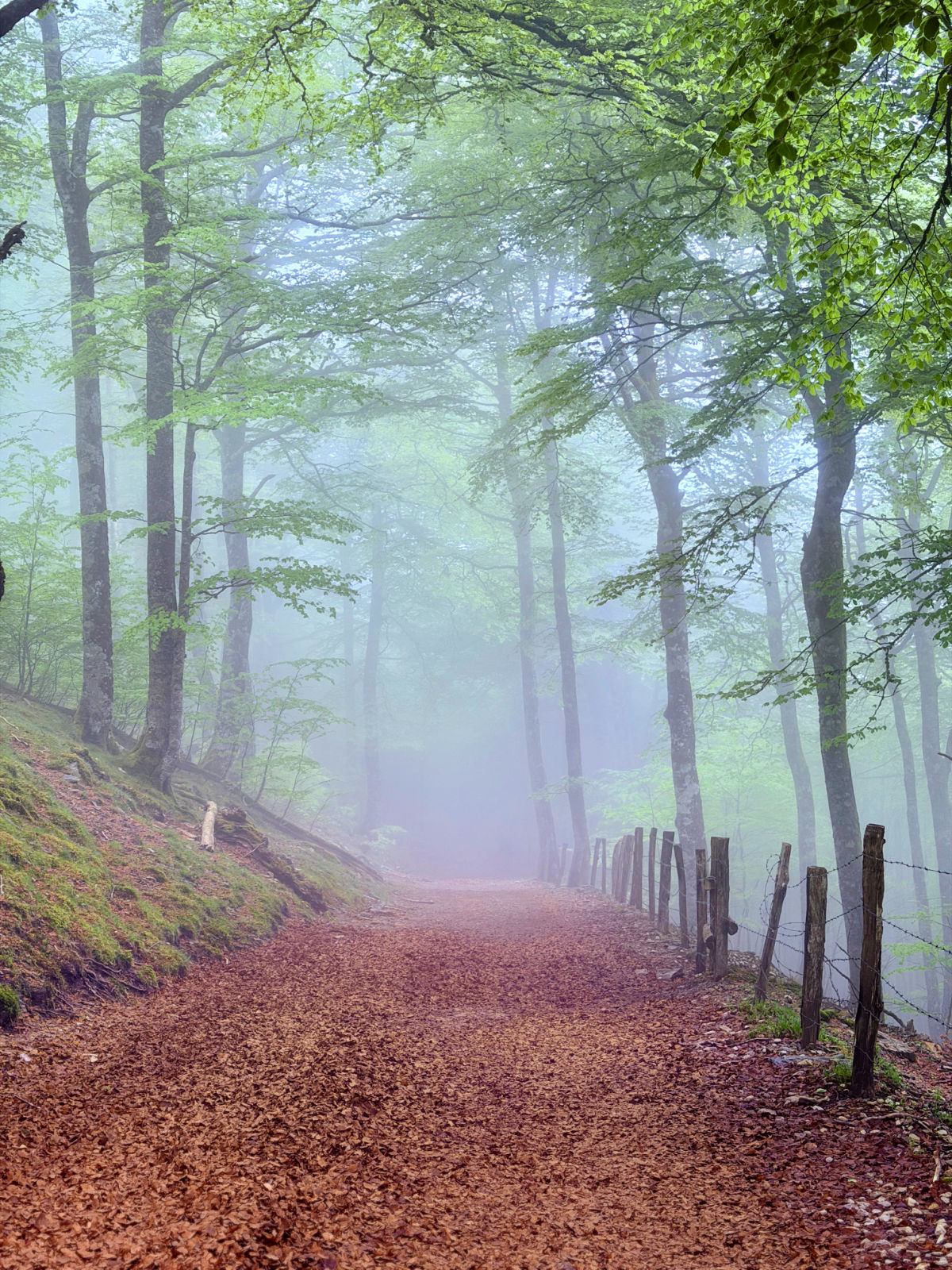
We started our Camino in late April and found the weather generally ideal for walking. Cool mornings, pleasant afternoons, and landscapes that looked like they had been freshly painted green. We were fortunate to have foggy weather in the Pyrenees, while some walking just a couple of weeks later had snow!
Fall (September–October)
Many experienced pilgrims consider fall the best overall season.
Pros:
- Cooler temperatures
- Fewer crowds than summer
- Harvest season in wine regions
- Comfortable hiking conditions
Cons:
- Shorter daylight hours
- Increased chance of rain later in the season
Summer (July–August)
Summer is popular but challenging.
Pros:
- Predictable weather
- Long daylight hours
- Every service and accommodation is open
Cons:
- Extreme heat in many regions
- Larger crowds
- Accommodations fill quickly
- Greater risk of dehydration and heat exhaustion
Walking through parts of Spain in August can feel like someone left the oven door open.
Winter (November–March)
Winter offers a completely different Camino experience.
Pros:
- Solitude
- Lower lodging costs
- Unique scenery
Cons:
- Cold temperatures
- Snow on some routes
- Short daylight hours
- Some accommodations closed
Winter Camino pilgrims tend to be a special breed of determined.
Recommended Camino Books
The Pilgrimage, by Paulo Coelho
Part memoir, part spiritual journey. This book introduced many readers to the Camino long before social media and YouTube existed.
Two Steps Forward, by Graeme Simsion and Anne Buist
A fictional Camino story written by two authors who walked the route themselves. A fun read that captures much of the Camino spirit.
Call of the Camino by Suzanne Redfearn
I really enjoyed Call of the Camino, a fictional account that follows two women whose lives are connected by the Camino de Santiago across different generations.
Reina Watkins is grieving the loss of her father and, years later, finds herself walking the same ancient pilgrimage route he once walked. In another timeline, Isabelle Vidal is a teenager in 1997 running toward the Camino while trying to escape her own troubles.
What makes the novel compelling is how it weaves together grief, hope, adventure, and transformation along the Way of Saint James. It captures the idea that the Camino is rarely just about getting from one town to the next. For many pilgrims, it becomes a place where the past catches up, the future starts shifting, and strangers’ stories begin to connect in unexpected ways.
Movies and Documentaries About the Camino
The Way (2010)
This is probably the most famous Camino movie. Directed by Emilio Estevez and starring his father, Martin Sheen, it tells the story of a father who completes the Camino after the death of his son. Many modern pilgrims cite this film as the reason they first became interested in walking. Fair warning: tissues may be required.
Walking the Camino: Six Ways to Santiago
A documentary following several pilgrims from different backgrounds as they walk the Camino Francés. Excellent for showing the realities of life on the trail.
I’ll Push You
While not exclusively about the Camino, this inspiring documentary follows two lifelong friends completing the pilgrimage under extraordinary circumstances. (Bibliophiles will love the book!)
Online communities and resources
- Camino Forum – The Camino Forum is one of the most active English-language Camino communities online. If you have a question, chances are someone has already asked it. Topics range from packing lists and footwear to route changes, accommodations, transportation, and pilgrim etiquette.
- Reddit – Don’t overlook Reddit as a Camino planning resource. Subreddits such as r/CaminoDeSantiago are filled with recent trail reports, packing advice, accommodation recommendations, transportation tips, and honest discussions from pilgrims who have just completed the route. As with any online community, use common sense and remember that every pilgrim’s experience is different. Still, it can be one of the best places to find answers to specific questions.
- Gronze.com – Many experienced pilgrims consider Gronze one of the most useful Camino planning resources available. It includes:
- Stage breakdowns
- Accommodation listings
- Elevation profiles
- Maps
- Route updates
Even if you don’t speak Spanish fluently, modern browsers do a good job translating the site.
- Pilgrim’s Office – The official Pilgrim’s Office website is the best source for information about:
- Pilgrim credentials
- Compostela certificates
- Pilgrim registration
- Official requirements for receiving a Compostela
- Days We Spend YouTube Channel – If I could recommend only one Camino YouTube channel, it would be Days We Spend. Their videos capture the reality of the Camino beautifully—the scenery, accommodations, daily challenges, food, emotions, and unexpected moments that make the journey so memorable.
Planning your Camino adventure involves much more than lacing up your hiking boots. If you’re flying overseas for the first time, my post on Flying to Spain for the First Time (and Why JetBlue Mint Was Worth the Splurge) shares what the journey was really like, from airport connections to why the upgraded seat made arriving in Spain much more comfortable. Before you head to the airport, be sure to read Don’t Be That Traveler – TSA Tips to Keep You Moving for simple ways to breeze through security with fewer surprises.
If international travel has you dreaming beyond Spain, you might also enjoy exploring San José, Costa Rica, where you’ll find ideas for things to do before heading into the country’s beautiful rainforests and beaches. While you’re there, take a look inside The InterContinental Hotel Costa Rica, one of my favorite places to stay in the capital, and don’t miss Hacienda Alsacia – Starbucks Coffee Farm, where you can learn how coffee goes from bean to cup while enjoying spectacular mountain views.
Final Call
Have you walked the Camino de Santiago, or is it still on your bucket list? Leave a comment below and tell me which Camino route interests you most. And if you’ve completed part (or all) of the journey, I’d love to hear your favorite memory, tip, or accommodation recommendation for the miles we haven’t walked yet!
