
Viana to Logroño: Day 9 of the Camino Francés

Walking from Viana to Logroño is a short final stage for pilgrims who divide the traditional Los Arcos-to-Logroño route into two days. The approximately 10-kilometer—or 6-mile—walk leaves Navarra, enters Spain’s La Rioja region, and crosses the Ebro River into Logroño.
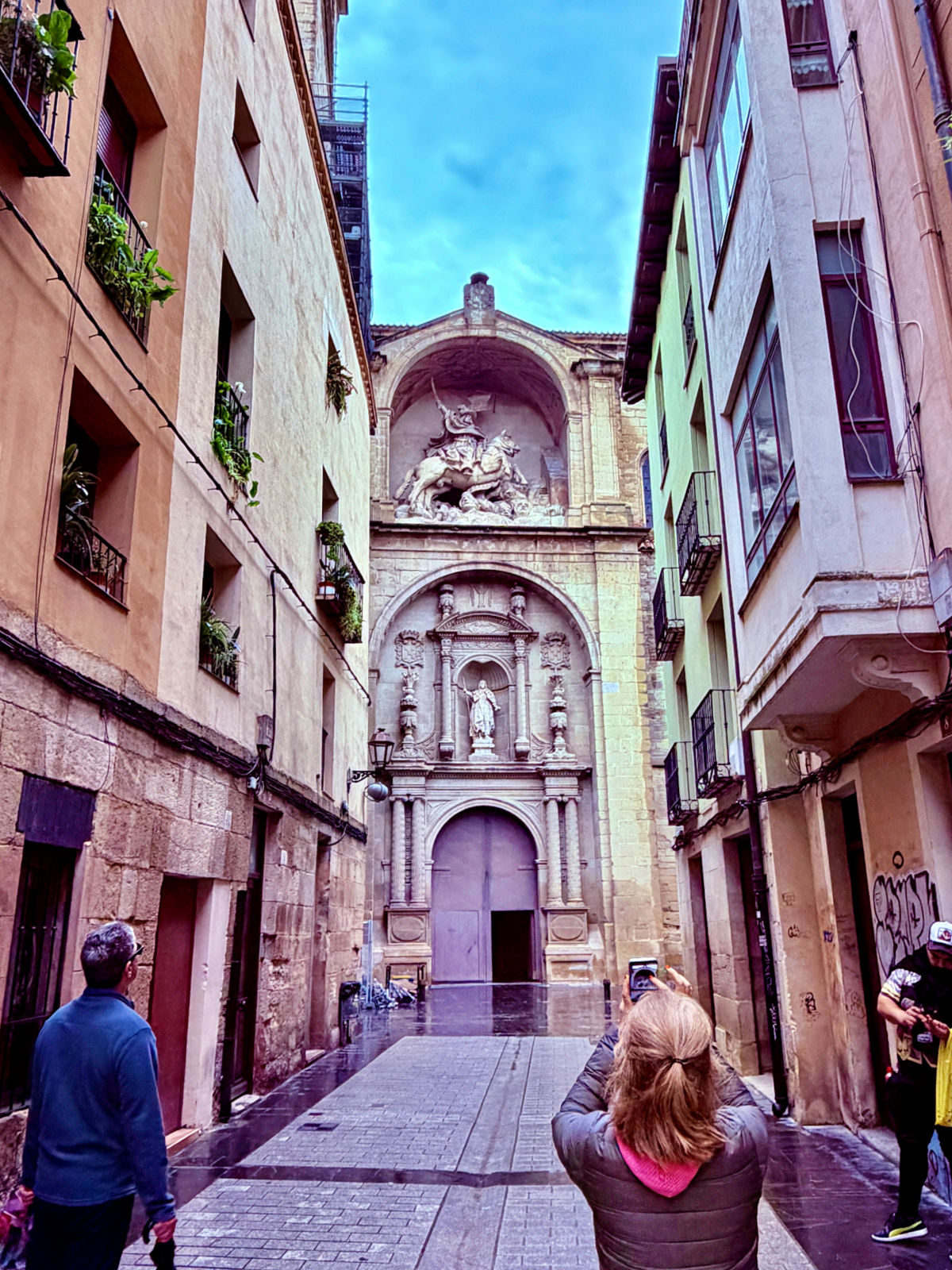
This was Saturday, May 2—the thirteenth day of our trip and our ninth day of walking the Camino. It was also the final stage of our first 100 miles.
After days of mountain climbs, rocky descents, rolling hills, thunderstorms, and long stretches between towns, the walk from Viana to Logroño was the easiest trek we had. We left early enough to reach the city before the rain arrived.
The rain in Spain is actually quite lovely—provided you are not standing on a muddy trail wearing a backpack.
Follow the full journey in my Camino de Santiago series.
Viana to Logroño Route at a Glance
- Date: Saturday, May 2
- Camino walking day: Day 9
- Starting point: Viana, Navarra
- Ending point: Logroño, La Rioja
- Distance: Approximately 9.7–10 kilometers (about 6 miles)
- Terrain: Country paths, paved stretches, a gradual descent, and city streets
- Major milestone: Crossing from Navarra into La Rioja
- Where we stayed: Iraipe Logroño Hotel
Leaving Viana Early
We left Viana early and followed the Camino west toward Logroño. After eight consecutive days of walking, a six-mile stage felt almost suspiciously manageable.
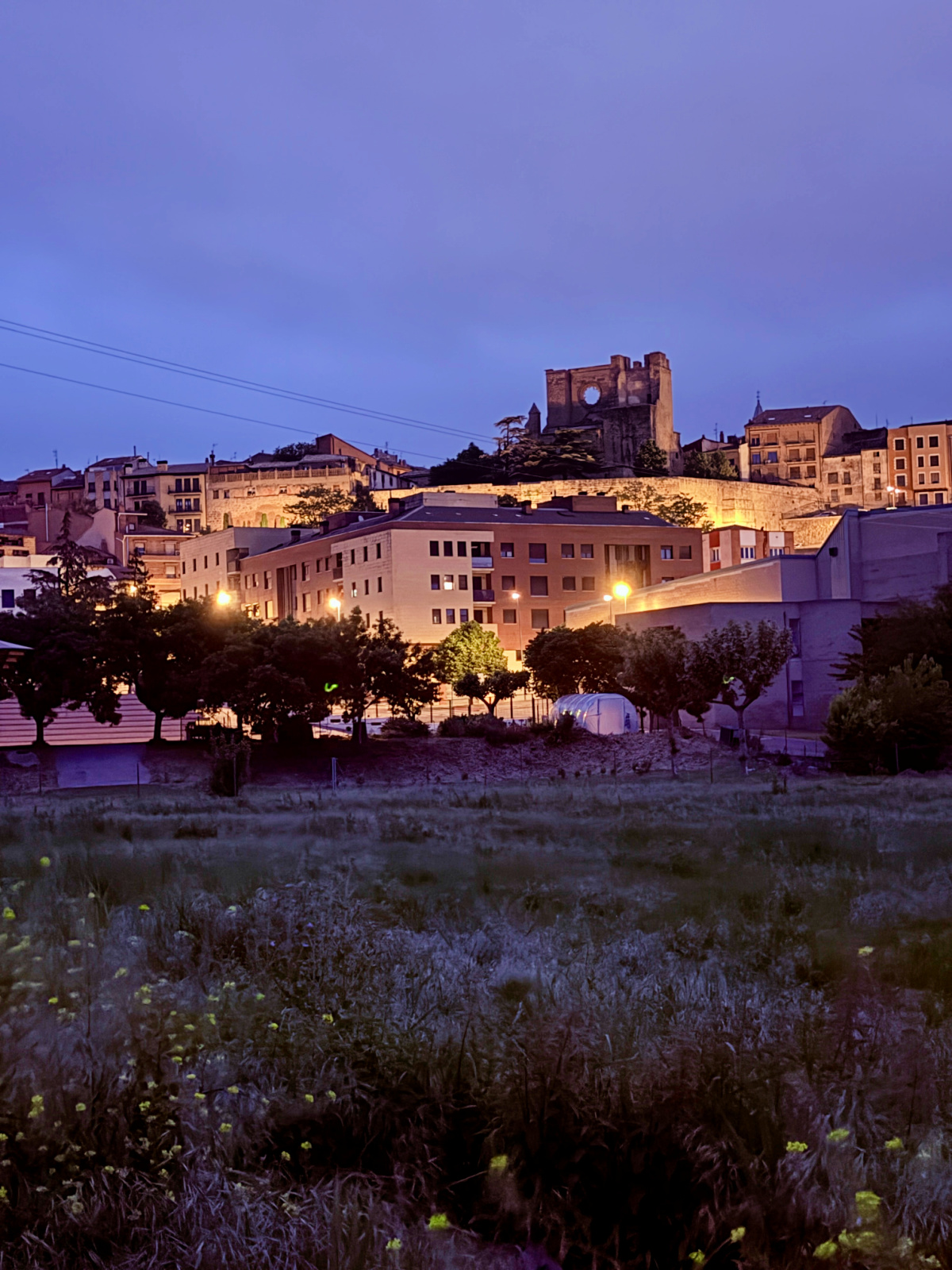
The trail led us through vineyards, olive groves, and open countryside. Somewhere along the way, we crossed out of Navarra and into La Rioja, a region known around the world for its wine.
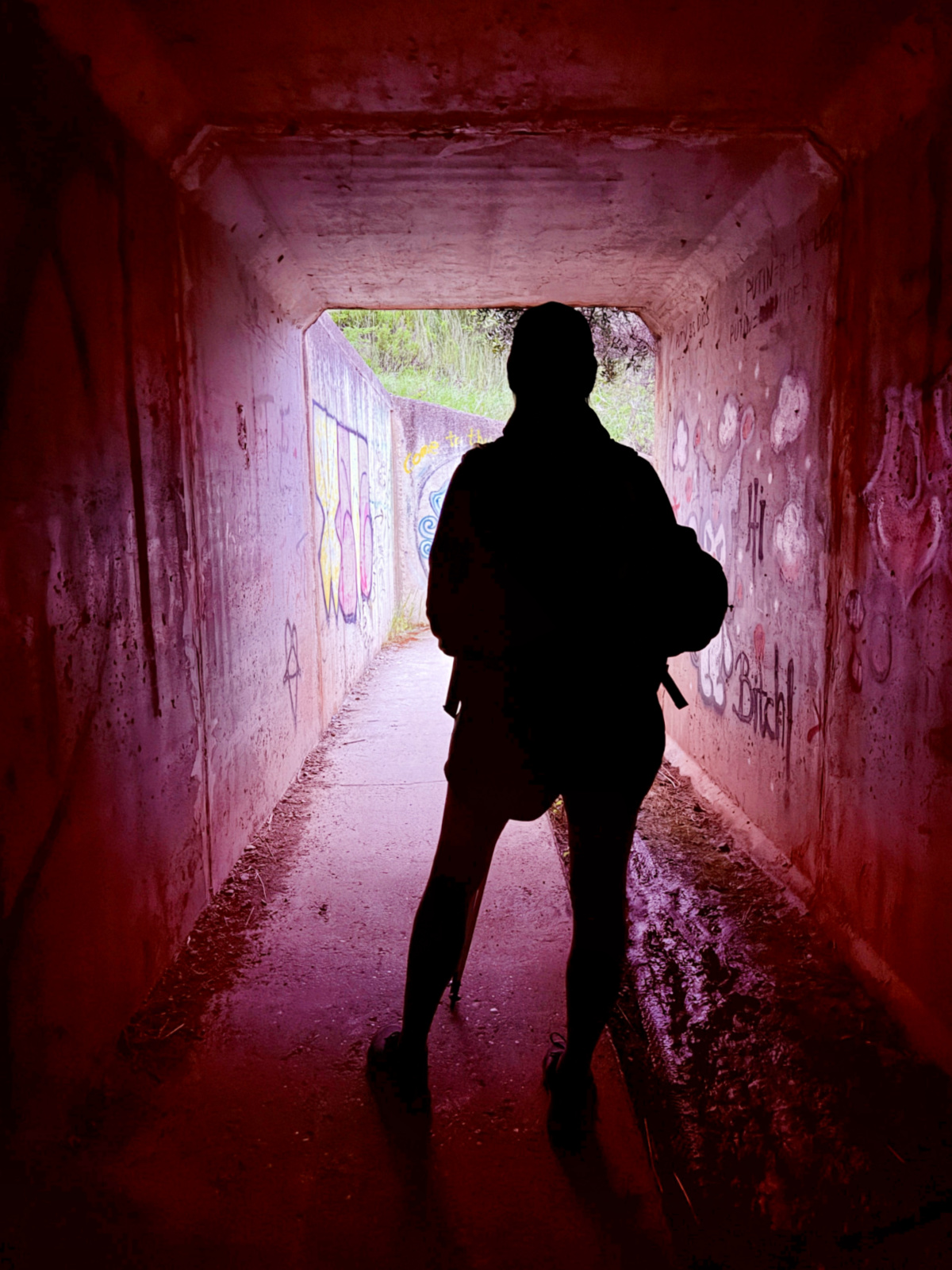
There was no dramatic border crossing or official ceremony. We simply kept following the yellow arrows and eventually found ourselves in another Spanish region. Walking across a regional boundary feels different from driving over one. You notice the distance because your feet have personally accounted for every mile.
Beating the Rain to Logroño
Rain was in the forecast, but leaving early worked in our favor. We reached Logroño before it arrived.
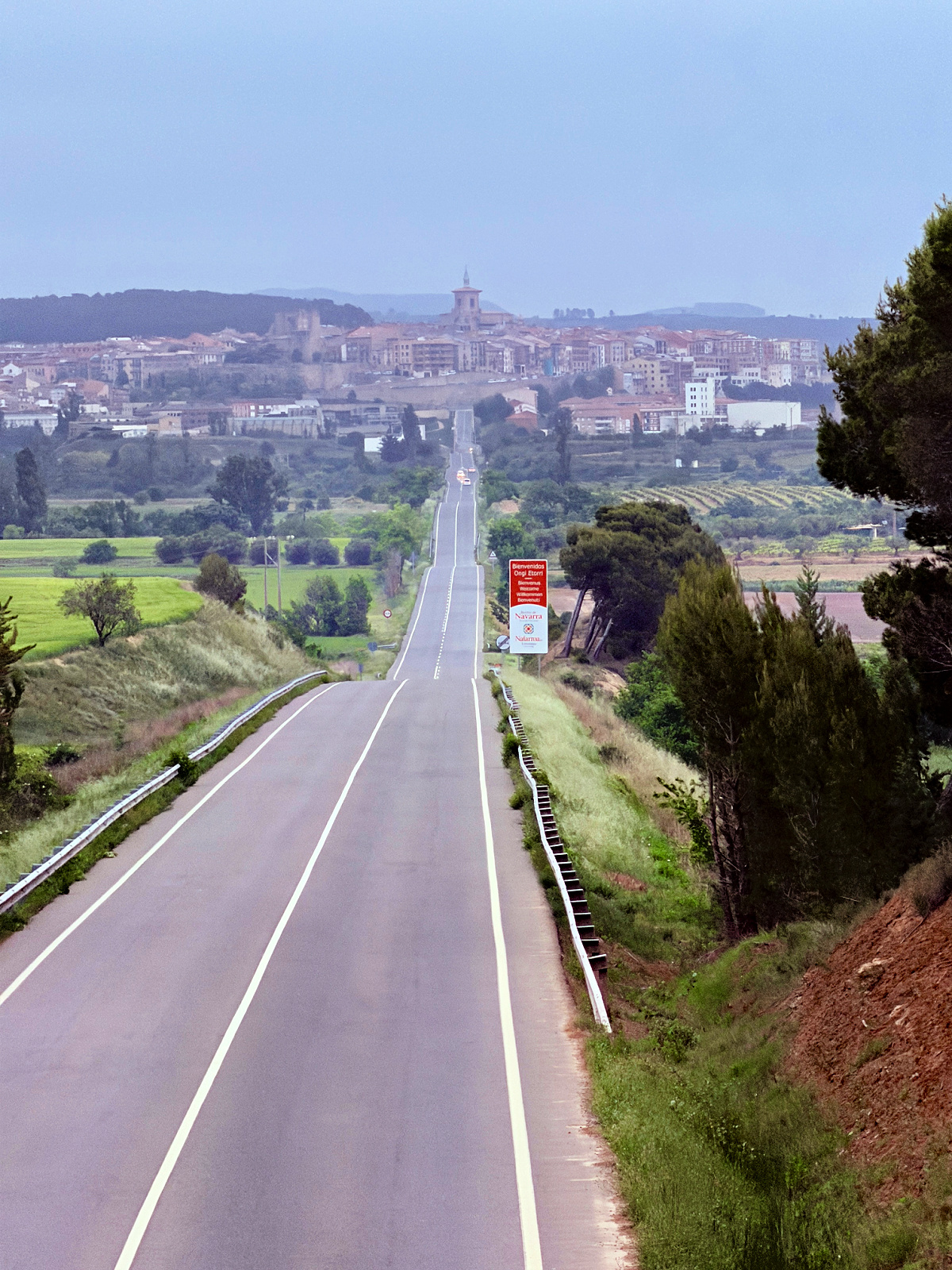
After walking through thunderstorms and muddy paths on previous days, watching rain from inside the city was far more pleasant. Rain becomes downright charming when there is a roof over your head and your shoes are no longer responsible for negotiating the mud.
The shorter distance also gave us time to enjoy the arrival instead of dragging ourselves into town with nothing left except a desire to remove our backpacks.
Crossing the Ebro River
The Camino enters Logroño across the Puente de Piedra — the “Stone Bridge” — where pilgrims have crossed the Ebro for nearly a thousand years. The original span dated to the 11th century, but repeated flood damage and centuries of wars wore it down until it finally collapsed in 1871; the bridge that carries pilgrims today is the 1884 reconstruction that replaced it.
Logroño’s Origin Story
Logroño owes its existence to the Camino. It started as a small river-ford settlement, fought over for centuries by the kingdoms of Navarre and Castile, but it didn’t really matter much until the 11th century, when the pilgrim route to Santiago was rerouted to pass straight through town. That changed everything. In 1095, King Alfonso VI granted the city a charter giving residents civil rights and tax breaks—partly to reward its loyalty, partly to grow the town—and it worked. Pilgrims, merchants, and settlers from France poured in, and Logroño became a genuinely mixed city, with locals, Jewish residents, and French artisans all living and working side by side.
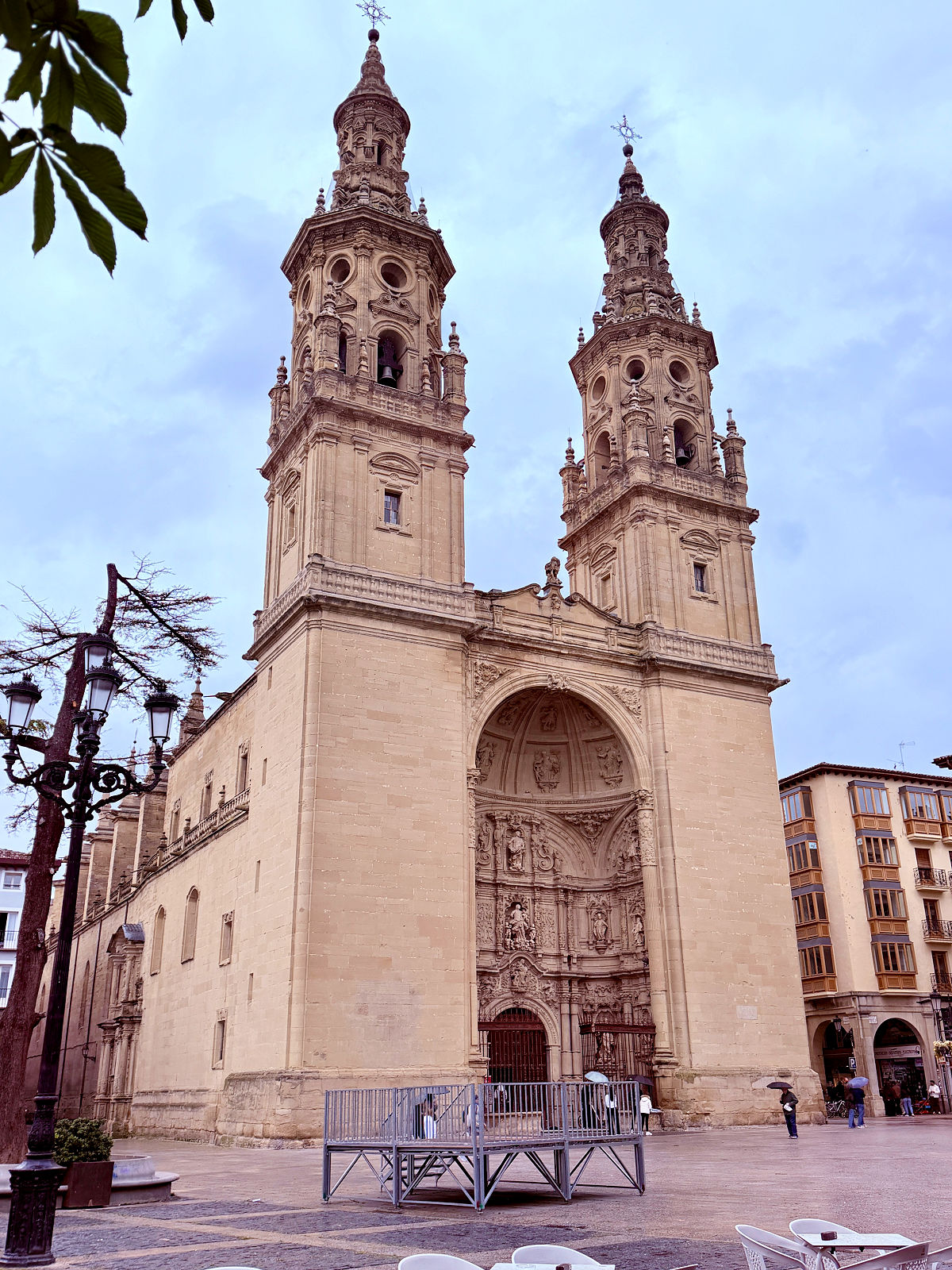
Everything pilgrims need showed up because pilgrims needed it: inns, food stalls, places to patch up blisters and injuries. By the 12th century, Logroño was well-known enough to be mentioned in the Codex Calixtinus, the first real guidebook for the Camino, which called it a safe place for travelers to stop. Walking in over that same bridge, down that same street toward the Church of Santiago, it’s hard not to think about it: the city isn’t just old, it grew up around exactly the kind of movement Diane and I were part of. It’s a pilgrim town in its bones, not just by location.
A Sweet Welcome to Logroño
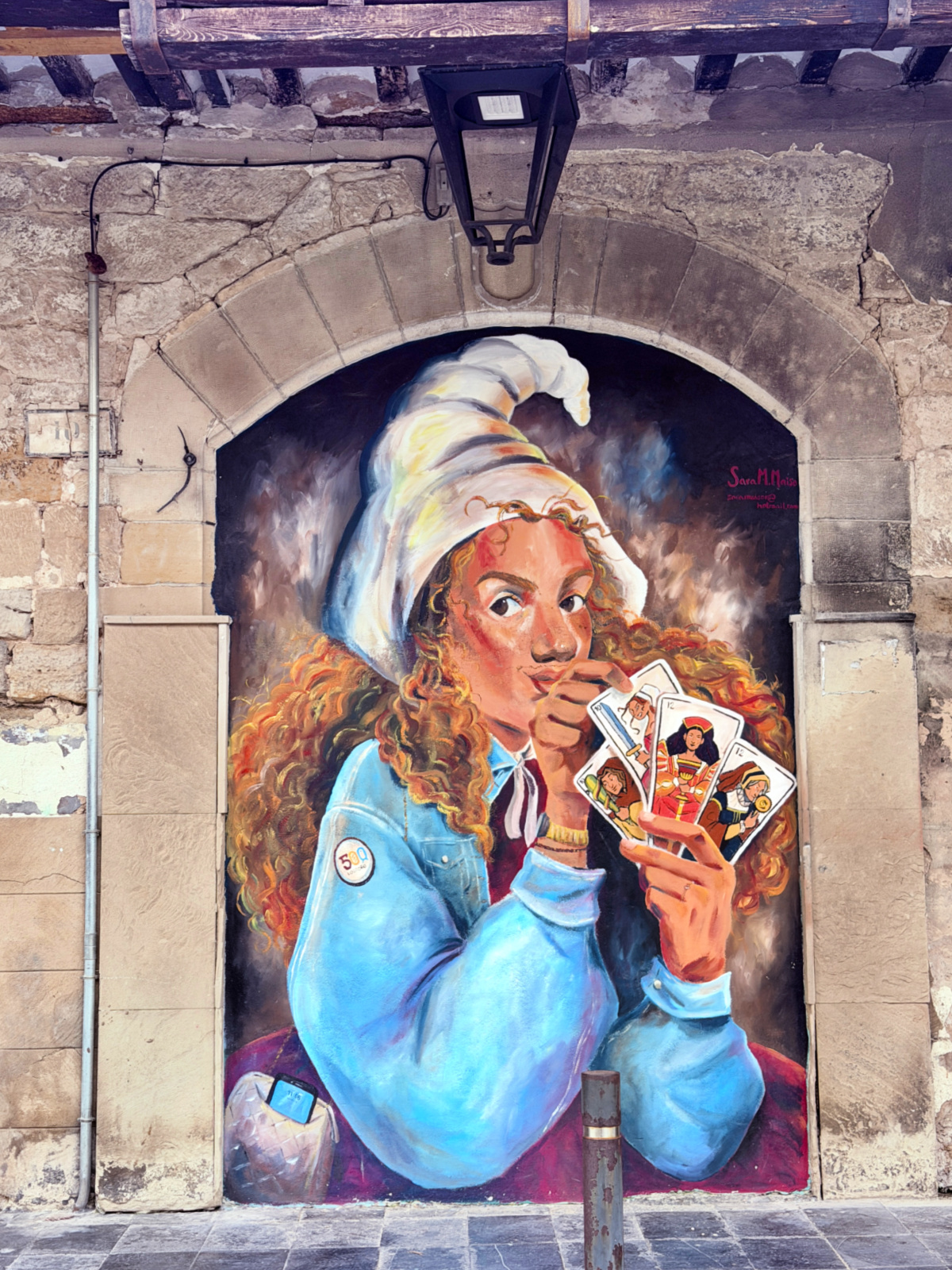
As we wandered into the city, the streets greeted us with bursts of color — vibrant murals covering walls and building facades, turning ordinary corners into open-air galleries.
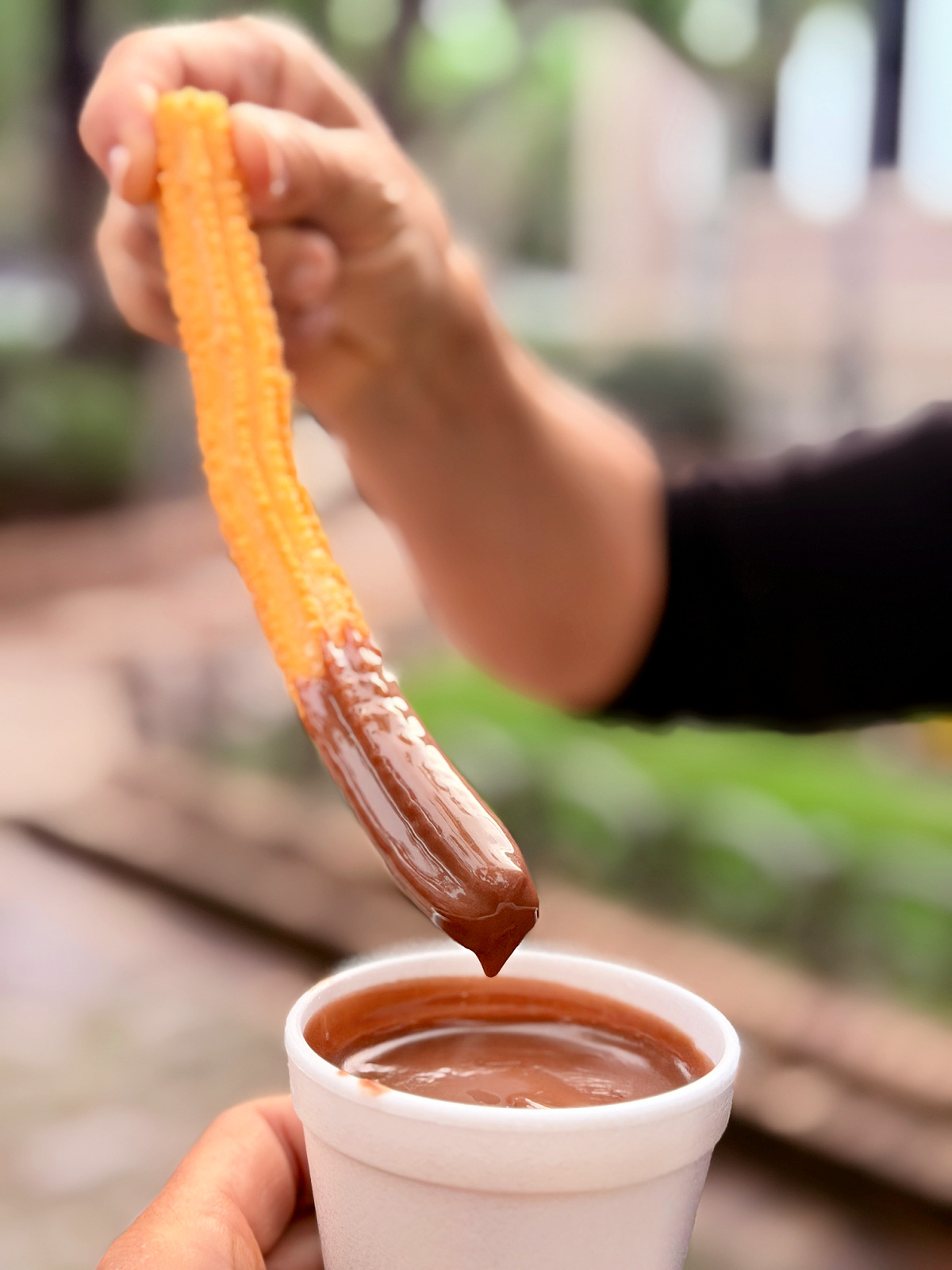
We were still taking it all in when, next to a small park, we spotted something that stopped us in our tracks: a Churrería Artesana, the scent of fresh churros drifting through the air.
There was no way we were walking past that. We ordered a portion of churros, crisp and golden, still warm from the fryer, paired with a cup of thick, rich hot chocolate — the kind so decadent it’s almost a dessert on its own.
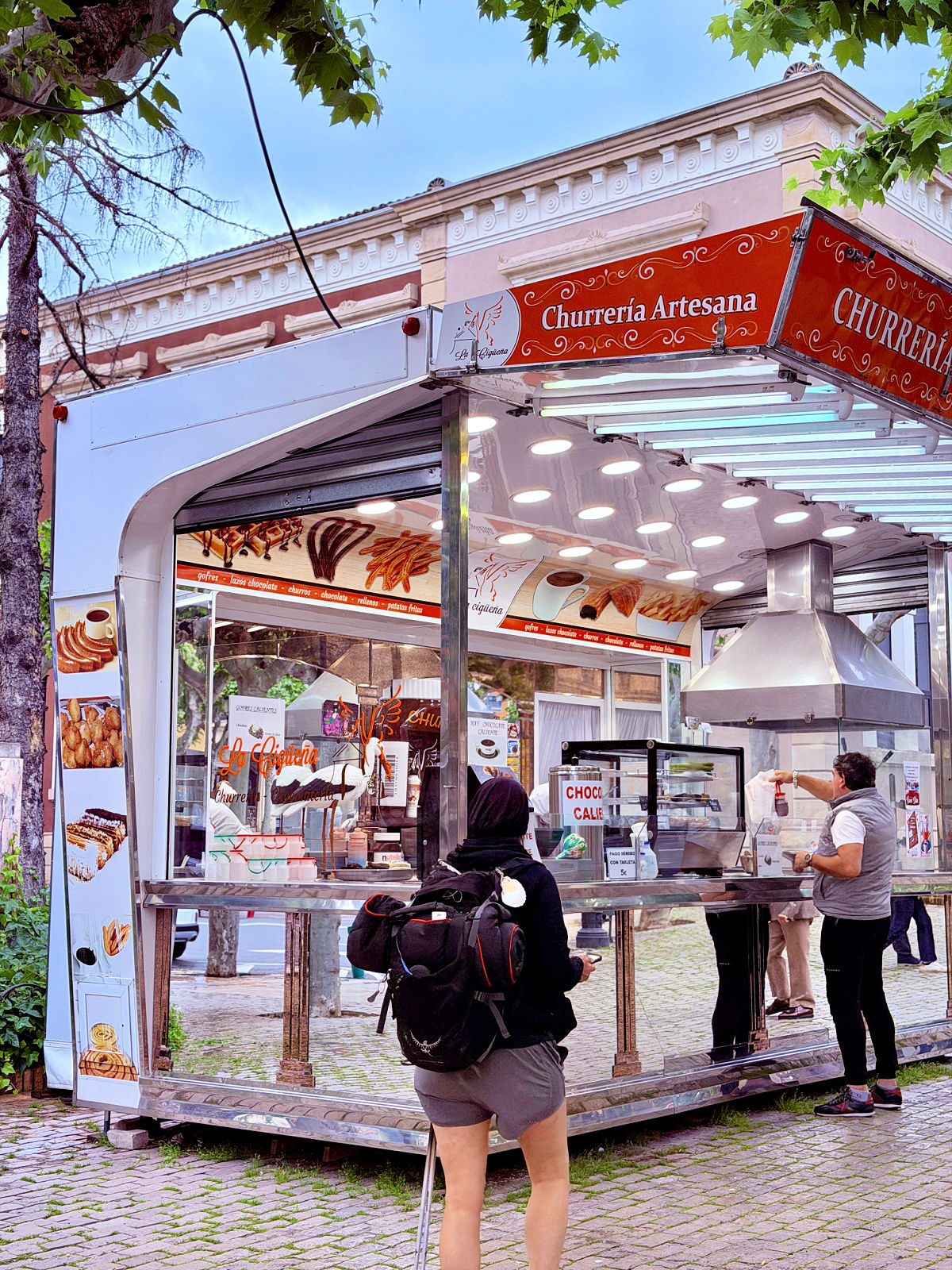
Sitting there with chocolate-dusted fingers, watching the city move around us, it felt like the perfect, unplanned welcome to Logroño.
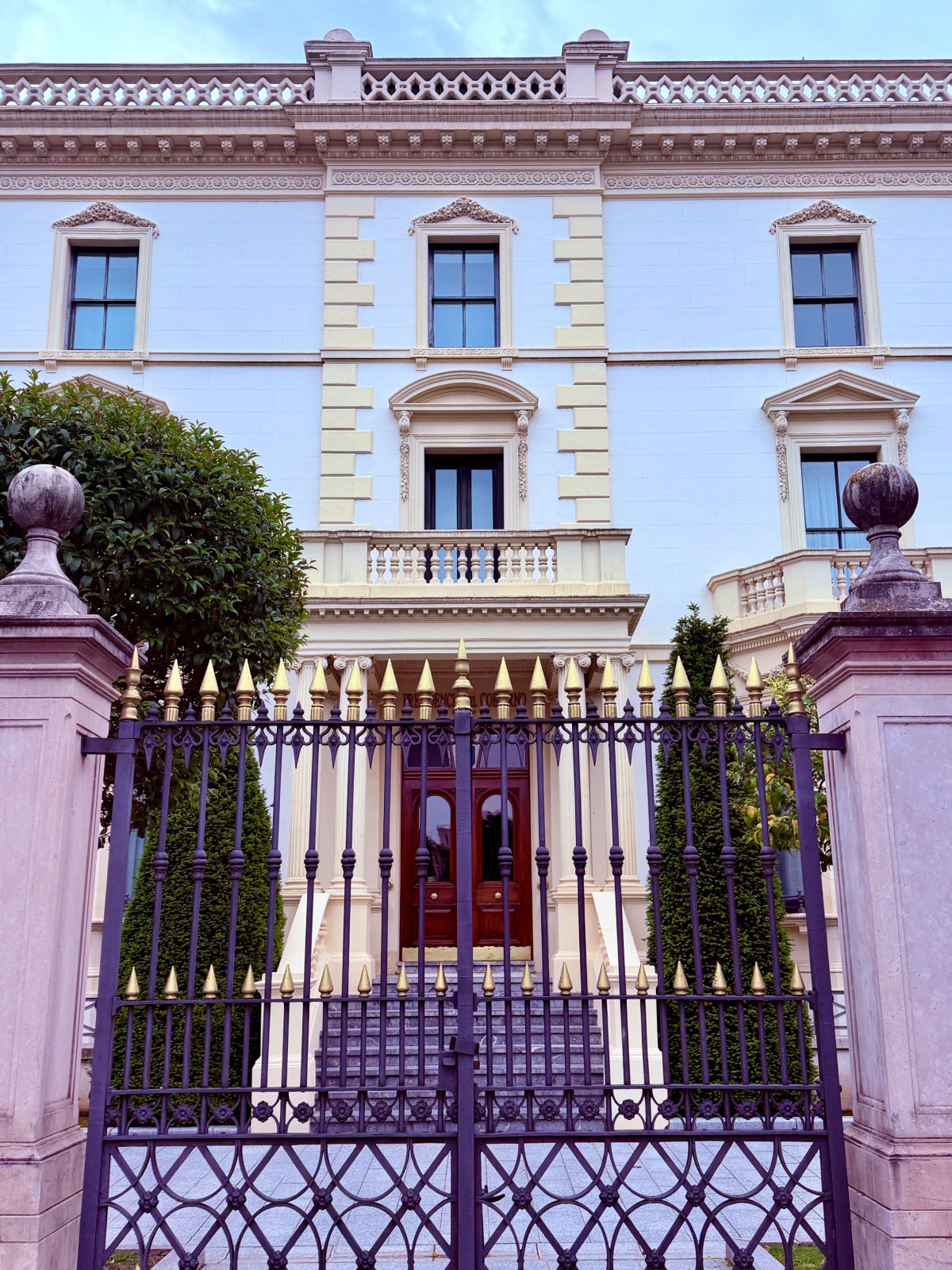
Still full and unhurried, we wandered past the Palacio del Gobierno de La Rioja, its stately façade a reminder that this small city carries real weight — it’s the capital of the Rioja region, after all, home to one of Spain’s most celebrated wine-producing areas. Yet for all its regional importance, Logroño felt unpretentious and easy to love, a place where grand architecture and casual street life sit comfortably side by side.
A Pigeon Photobomb
Naturally, one of my photographs from the day includes a pigeon photobomb.
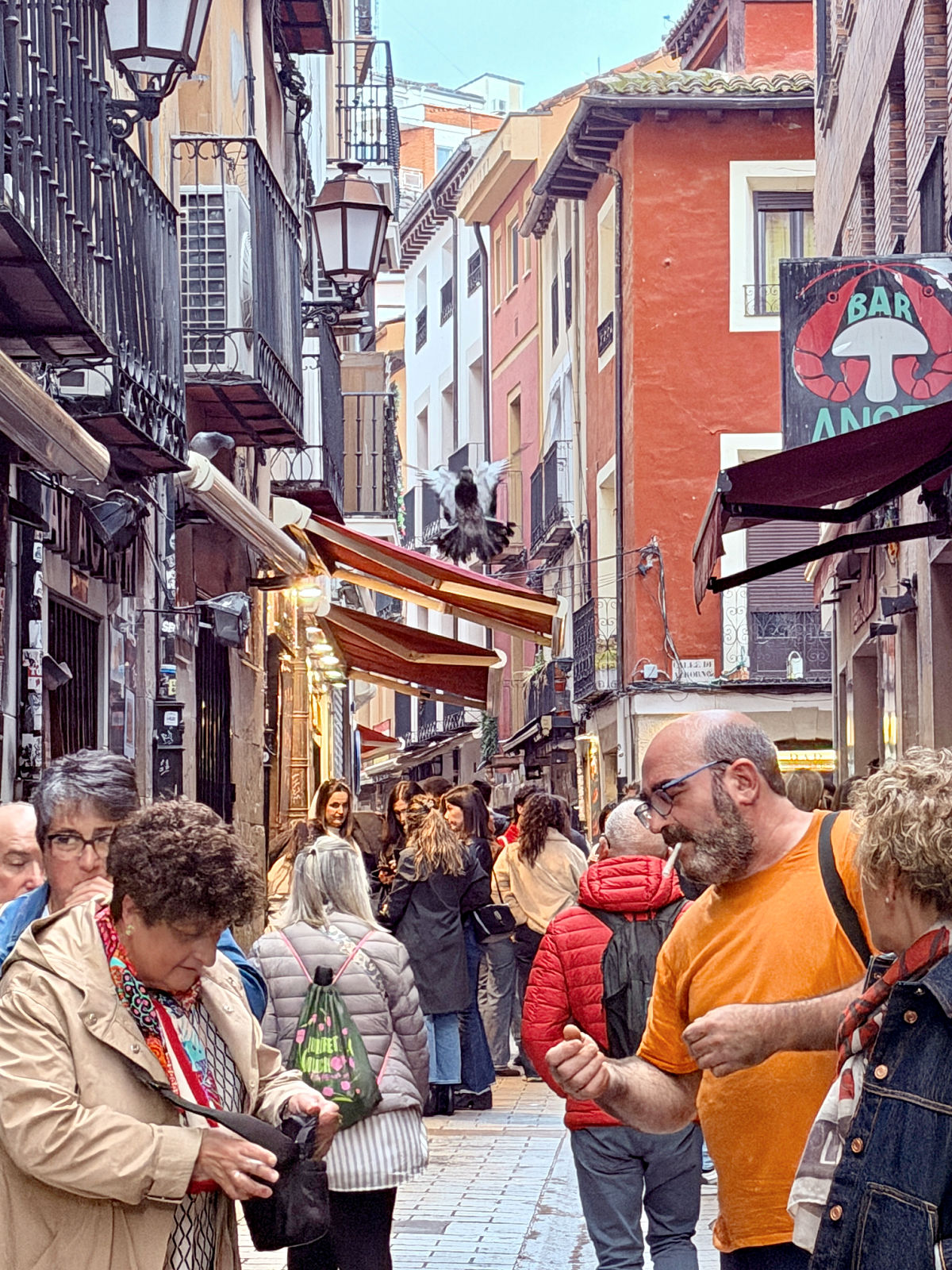
After nearly 100 miles of trying to capture mountains, churches, bridges, flowers, and Camino markers, a pigeon apparently decided the final installment needed a guest appearance. See if you can spot it in the photo.
It may not have carried a pilgrim credential, but it understood timing.
Staying in Logroño
Diane paid €180 for our hotel room and breakfast. After several nights in albergues and shared bunk rooms, finishing this part of the Camino in a hotel gave us space to rest and take in what we had accomplished.
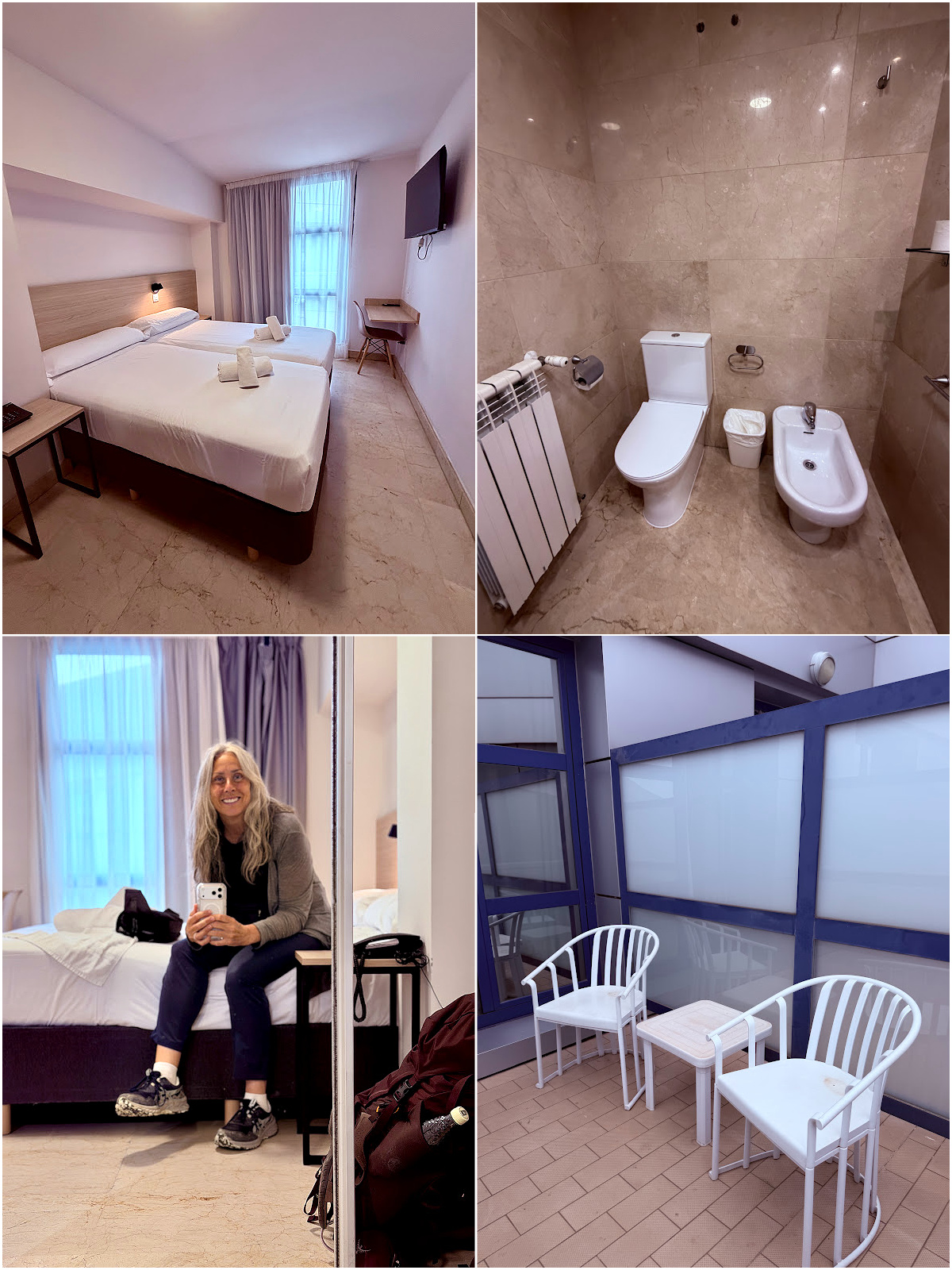
The hotel had more of a roadside, motel-like feel and was connected to a gas station. It was not a grand finale in the traditional sense, but it gave us a private room, breakfast, and a place to recover after nine days of walking.
The Camino had already taught us that a useful room does not need chandeliers. It needs comfortable beds, a functioning bathroom, and preferably no upper bunk.
An Evening in Logroño
I loved Logroño. It was a nice-sized city, full of life. Logroño felt different from the small villages where we’d spent most of our nights—when evening came, people were out everywhere, eating, drinking, talking.
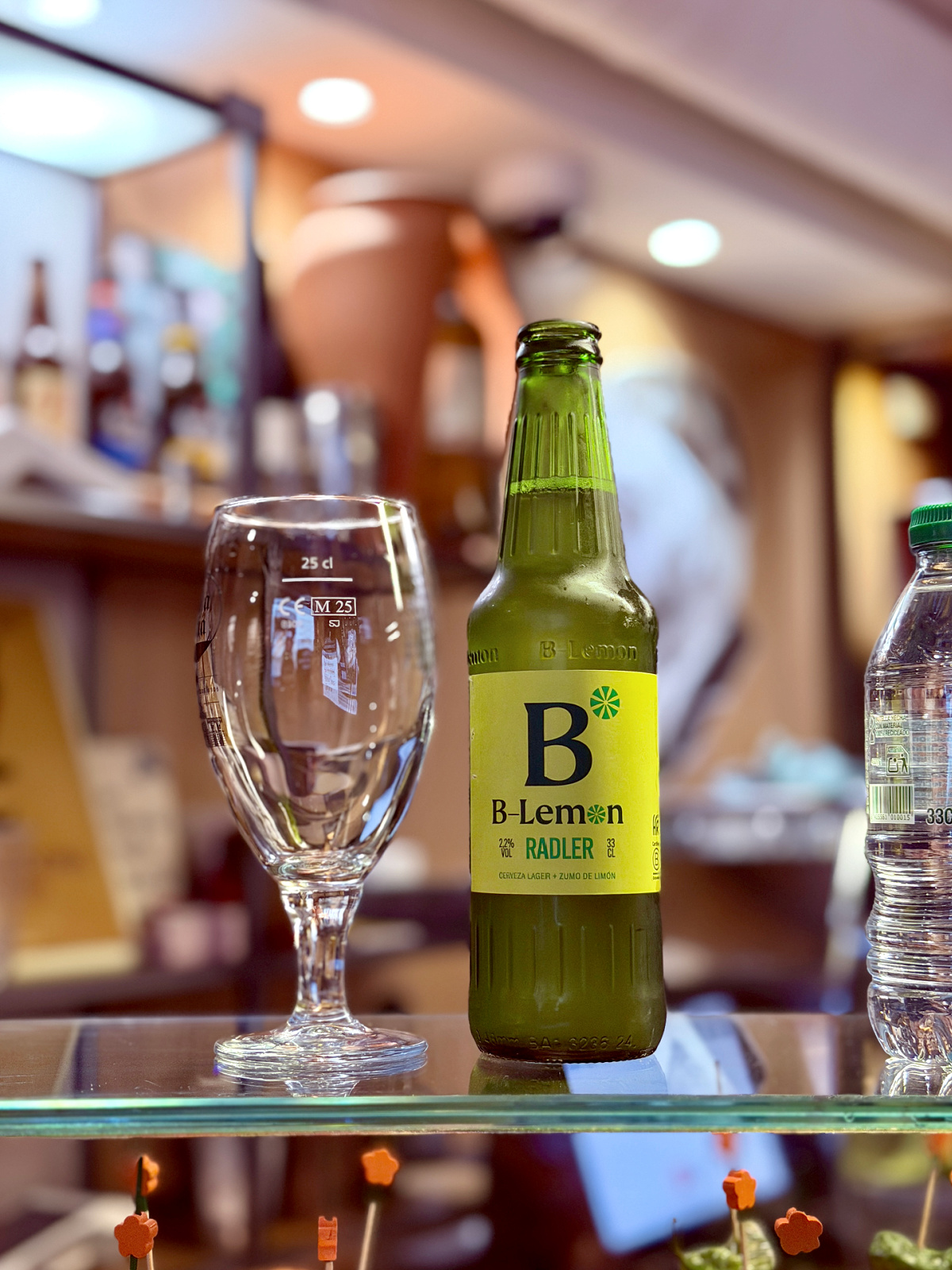
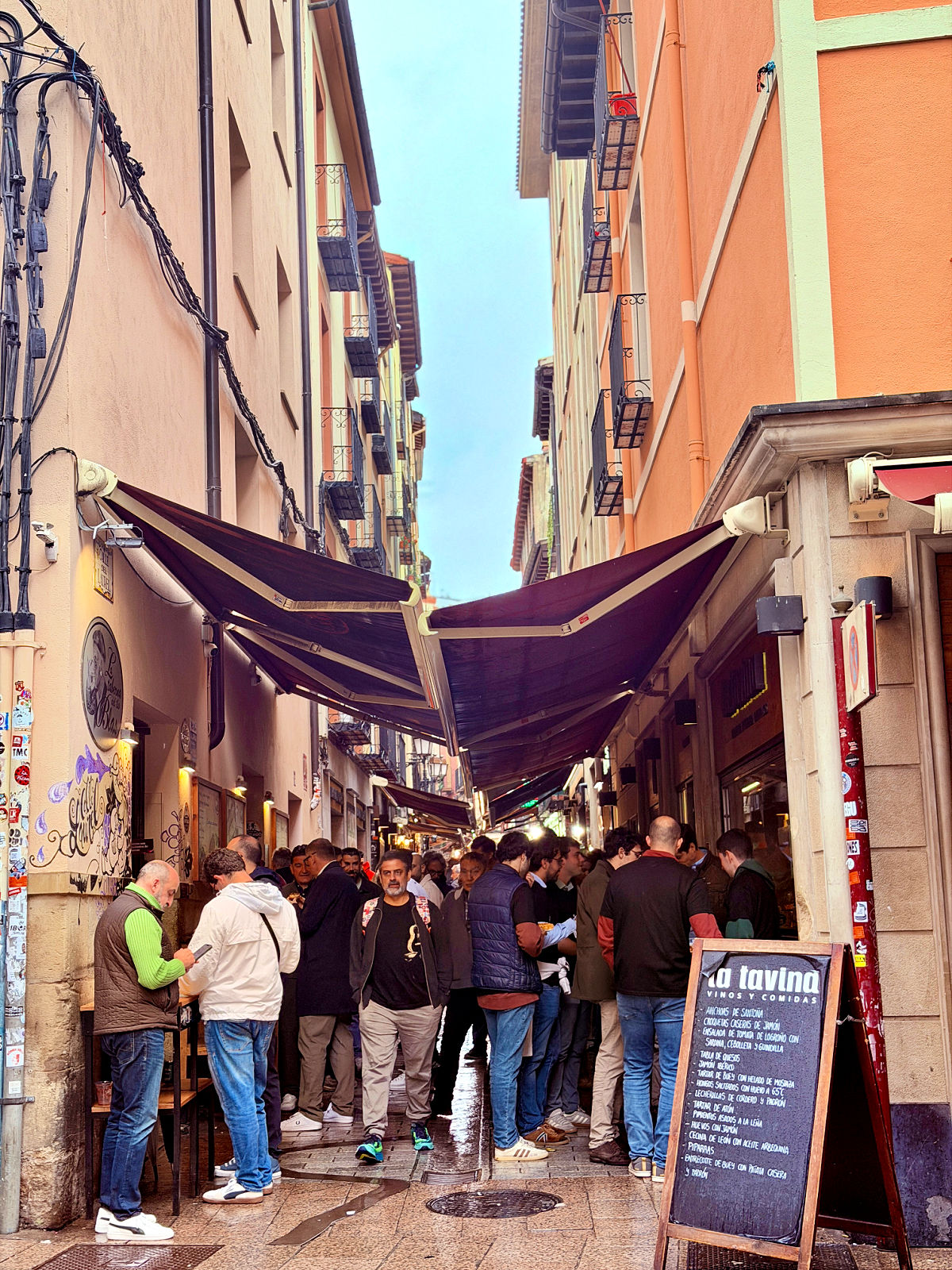
If you’re walking through Logroño yourself, don’t skip Calle Laurel—nicknamed the “street of a hundred taverns.” It’s the kind of only-in-Spain evening that makes a rest day here worth extending.
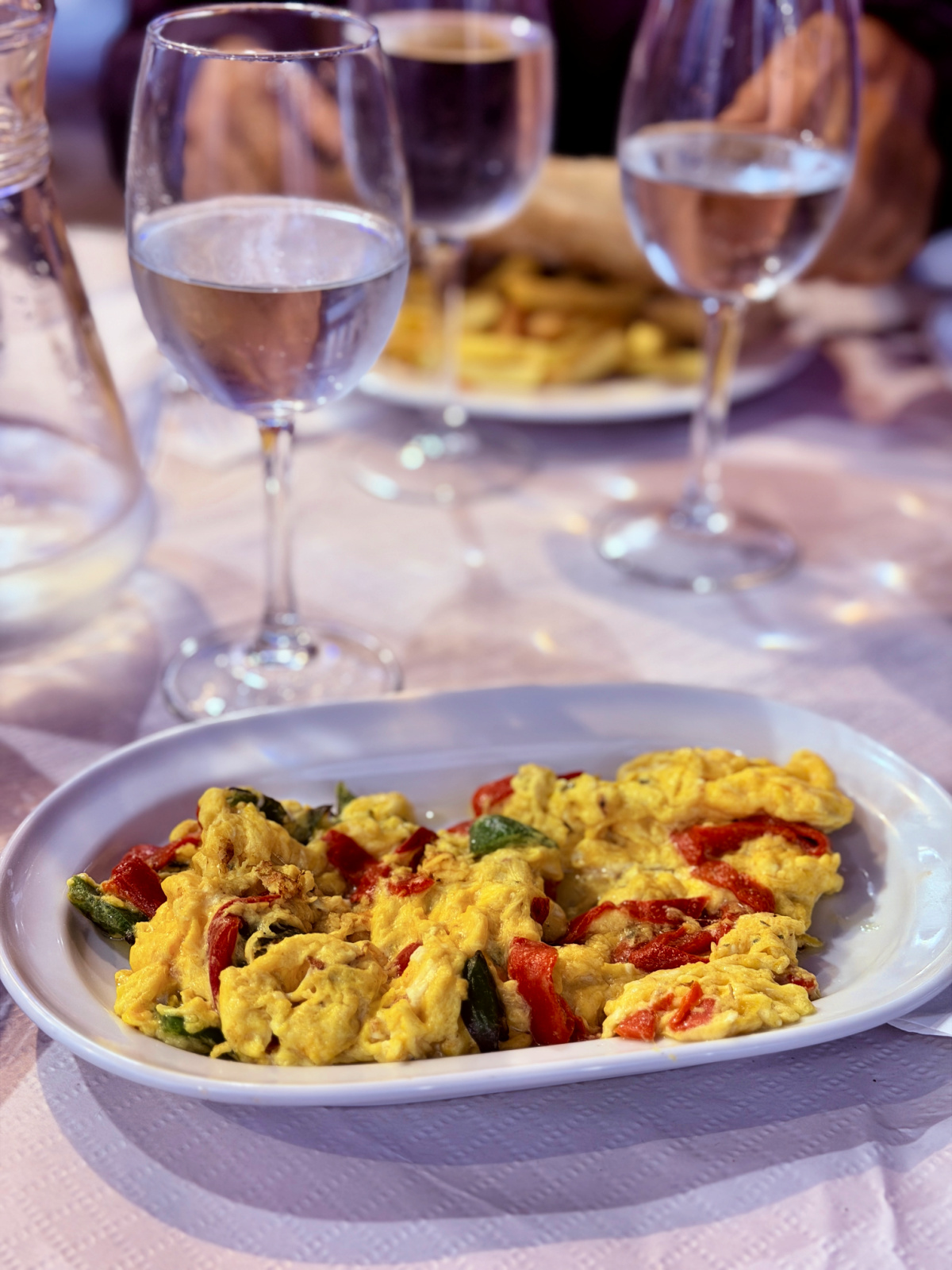
We encountered more pilgrims we had met along the Camino and shared dinner before bringing the day to a close.
Completing Our First 100 Miles
Reaching Logroño did not make us experts on the Camino, nor did it mean we had walked the entire Camino Francés. Santiago de Compostela was still hundreds of miles away.
What we had done was walk our first approximately 100 miles over nine consecutive days. We carried our backpacks from Saint-Jean-Pied-de-Port to Logroño, crossed the Pyrenees, slept in albergues and hotels, learned how to care for tired bodies, and formed friendships with people we might never have met anywhere else.
There were sore legs, shoulder blisters, a knot near my clavicle, questionable bathrooms, closed churches, rocky descents, and moments when the next town seemed much farther away than the sign claimed.
There were also communal dinners, cold drinks, chocolate croissants, unexpected blessings, free wine, red poppies, new friends, and the simple satisfaction of arriving somewhere entirely under our own power.
The easiest walk came at the end, which gave us room to recognize what the previous eight days had added up to.
A Note for Future Pilgrims
If you’re walking the Camino Francés, know this: Logroño is worth more than a quick pass-through. It’s the capital of La Rioja, so the wine here isn’t just good, it’s the reason the region is famous — and Calle Laurel, the city’s narrow street of pintxos bars, is where pilgrims go to celebrate.
Don’t miss it. Order small, drink a glass of wine at each stop, and let the evening move at its own pace; it’s less a meal than a ritual. Unlike a lot of the smaller stages along the Camino, Logroño feels like a real city – because it is, with plazas, shops, and a rhythm of its own that has nothing to do with pilgrims at all — a welcome jolt of energy if you’ve spent days in quieter villages.
Because so many walkers treat it as a natural rest day, albergues and rooms can fill up fast, so it’s worth booking ahead if you can. And even if you’re short on time, swing by the Cathedral of Santa María de la Redonda in the center — it’s right on the way, and worth the five minutes.
Would I Walk the Camino Again?
Yes.
I would pack a few things differently, worry less about some things, and probably still order a burger when I wanted one. But I would walk again.
Our first 100 miles ended in Logroño, but the Camino has a way of leaving the door open. There are more stages ahead, more towns to reach, and many more yellow arrows pointing west.
Have you ever completed a journey that made you proud and immediately left you wondering what should come next?
