
Don Juan Coffee and Chocolate Tour in Arenal

In the spring of 2024, my husband, sister, and I visited Don Juan Tours Arenal near La Fortuna, Costa Rica, for its coffee and chocolate tour. Over two hours, we walked through the property, learned how coffee and cacao go from plant to finished product, tasted fresh cacao, and sampled some very good chocolate along the way.

If you’re planning time around Arenal Volcano and are curious about Costa Rican coffee, cacao, or both, this is an easy experience to work into your itinerary. It’s educational without feeling like school—and there are enough samples involved to keep things interesting.
Don Juan Coffee Tour Arenal: Quick Details
The Don Juan Arenal experience is officially called the 2-in-1 Coffee and Chocolate Tour.
As of August 2026:
- Location: La Fortuna, Costa Rica
- Tour length: About 2 hours
- Adult price: $50 per person
- Children ages 2–13: $20
- Languages: English and Spanish
- Parking: Secure parking is available
- Accessibility: Paved, covered trails are accessible to wheelchairs and strollers
- Transportation: Hotel transportation may be available for an additional charge
Prices and details can change, so check directly with Don Juan Tours when booking.
Where It’s Located
Don Juan Tours Arenal is located just outside La Fortuna, approximately 1.3 kilometers north of Banco Nacional.
The property is surrounded by tropical vegetation with Arenal as the larger backdrop to the area. It feels pleasantly removed from town without requiring a major expedition to get there.
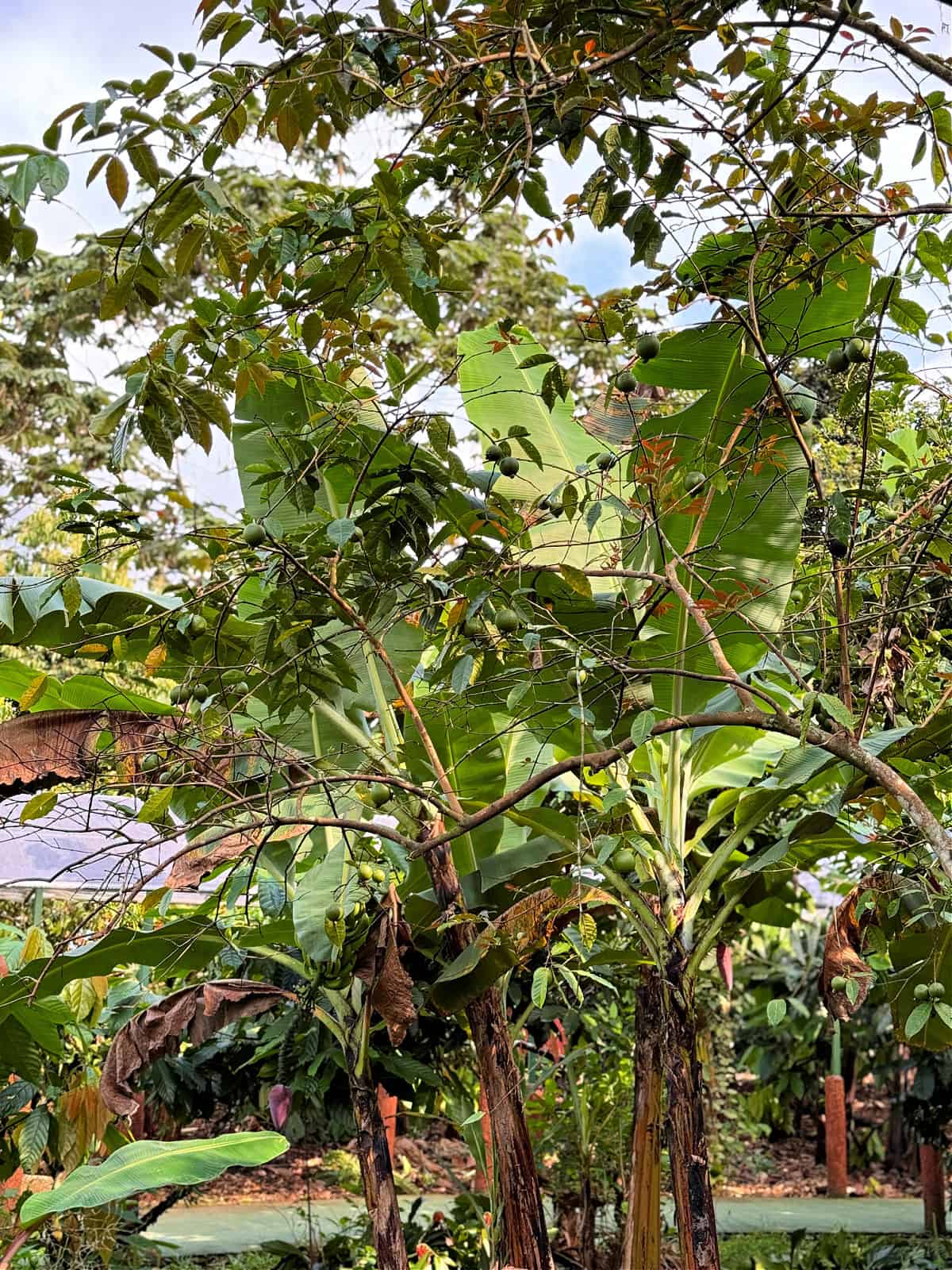
Don Juan also has a separate location in Monteverde, but the experiences aren’t identical. The Monteverde operation offers coffee, chocolate, and sugar cane experiences, while the Arenal day tour currently focuses on coffee and chocolate.
What to Wear
You don’t need hiking gear for the Don Juan Coffee and Chocolate Tour.
Comfortable clothes and shoes that are easy to walk in are enough. One nice feature of the Arenal property is that the walking trails are paved and covered, which makes this a particularly good option on one of Arenal’s rainy days.

I’d still bring a light rain jacket if rain is in the forecast. Costa Rica enjoys keeping tourists humble about weather predictions.
What to Expect on the Don Juan Coffee and Chocolate Tour
This isn’t simply a walk through rows of coffee plants.
Our tour combined Costa Rican history, agriculture, coffee production, cacao, tastings, and hands-on demonstrations.
We started with coffee.

From Coffee Plant to Coffee Cup
Our guide walked us through the life cycle of the coffee plant, beginning with the seed and eventually reaching the bright coffee cherries that are harvested for their beans.
Coffee cherries are picked by hand, processed, dried, roasted, and eventually ground and brewed. Seeing the steps laid out in front of us made my morning cup look considerably less effortless.
Our guide also explained how coffee helped shape Costa Rica’s economy and development.

We discovered that the first coffee exportation from Costa Rica was to Panama in 1830. Today, Costa Rica exclusively exports arabica coffee and Don Juan focuses on quality over quantity. (Fact: Costa Rica passed a law in 1989 making it illegal to produce anything other than arabica coffee.) This dedication to excellence ensures that Costa Rica produces some of the best coffee in the world.
The tour also touched on coffee’s origins, which are believed to be traced back to Africa. We learned about the drying methods used in coffee production, where the harvested coffee beans are carefully dried to ensure optimal quality. This step is crucial in maintaining the rich flavors that make Costa Rica’s arabica coffee so exceptional.
A Lot of Work Goes Into One Cup
One of the things that stuck with me was learning about the people who harvest coffee cherries by hand.
We were told during our 2024 tour that workers earned roughly $14–$16 per day at the time.
That’s one of those travel facts that changes the way you look at something familiar. Coffee is such an ordinary part of daily life for many of us that it’s easy to forget how much human labor can be behind it.
Because wages change, I would consider that figure a snapshot of what we were told during our visit rather than a current wage estimate.

The Chocolate Tour
Then came the sweeter half of the experience.
We learned how cacao pods and cacao beans eventually become chocolate. And, thankfully, this portion wasn’t limited to looking at diagrams.

We got to taste fresh cacao fruit.
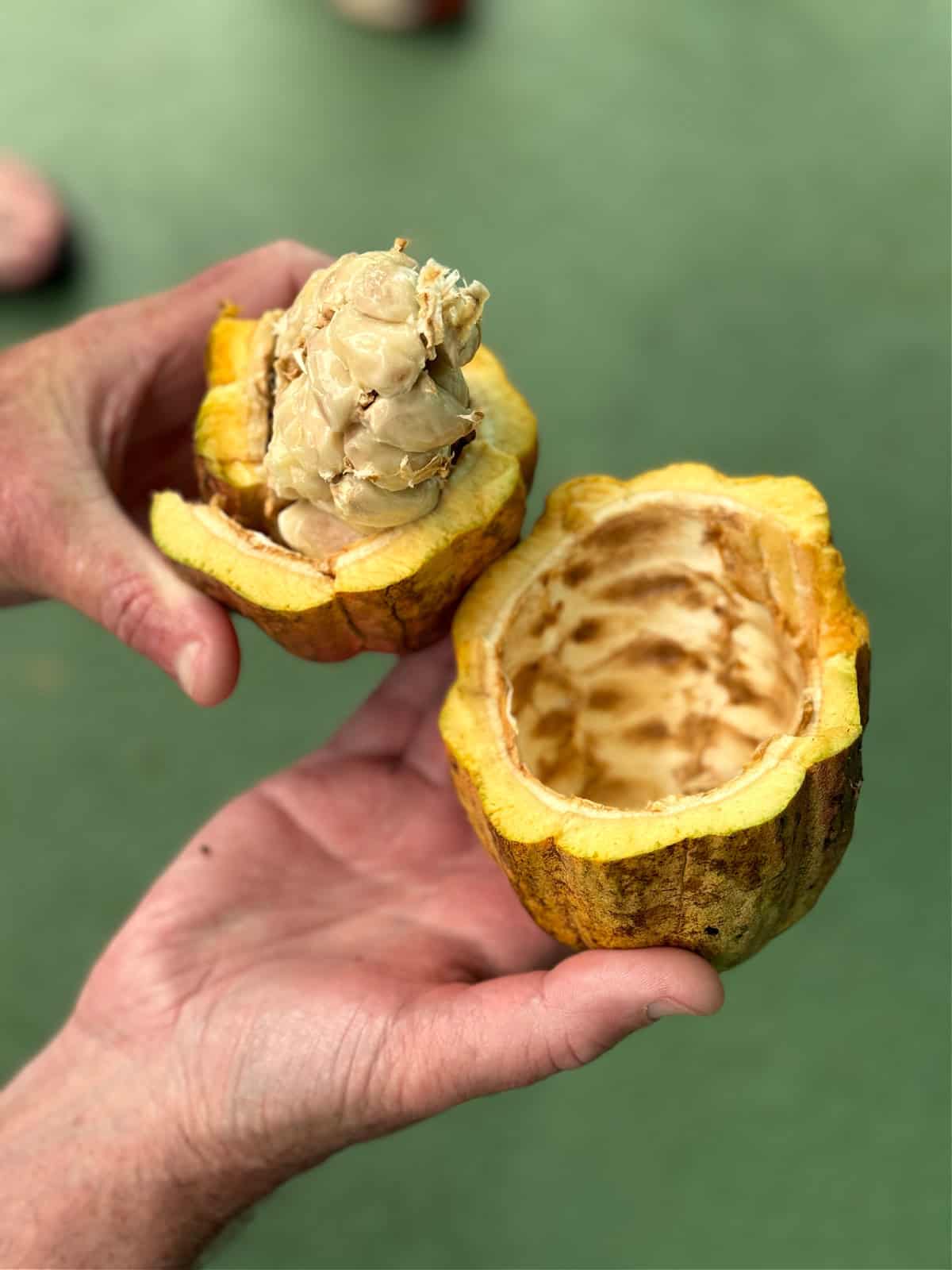
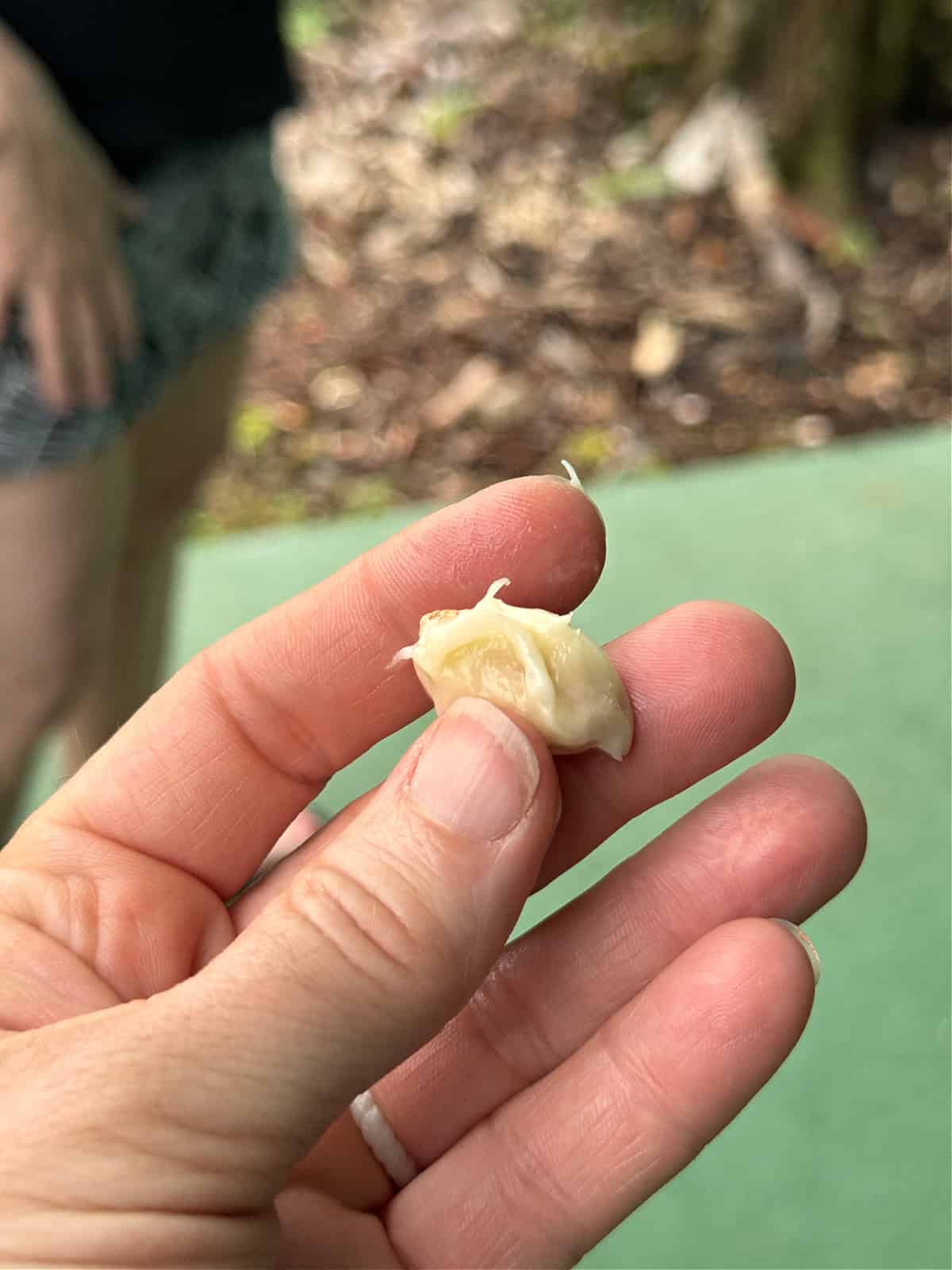
Raw cacao beans are surrounded by a white pulp called mucilage. It doesn’t look particularly convincing when you first see it, but I thought the fresh cacao pulp was surprisingly tasty.
This was one of my favorite parts of the tour because it’s something most people who eat chocolate regularly have probably never tasted.

Chocolate bars are one thing.
Fruit straight from a cacao pod is something else entirely.
Don Juan’s Drink of Gods
Here’s something I didn’t expect people to be searching for after finding this post: Don Juan’s Drink of Gods.
Don Juan currently sells a product called Drink of Gods, a traditional-style hot chocolate drink made with ingredients including cocoa, corn, and chili.
If you encounter it during your visit—or see it in the gift shop—it’s worth paying attention to. It connects chocolate with a much older way of consuming cacao, long before somebody decided it needed to become a candy bar.

Don Juan also currently sells the Drink of Gods through its online shop, along with coffee, chocolate, cacao products, and souvenirs.
Tastings at the End
At the end of our tour, we sampled chocolate and hot chocolate.
After spending two hours learning how much work goes into both coffee and cacao, eating the final product seems like the only responsible thing to do.
There’s also an on-site shop selling locally produced coffee, chocolate, cacao products, and souvenirs.
If you’re the person who tells everyone, “I’m not buying souvenirs this trip,” the coffee and chocolate section may test your resolve.
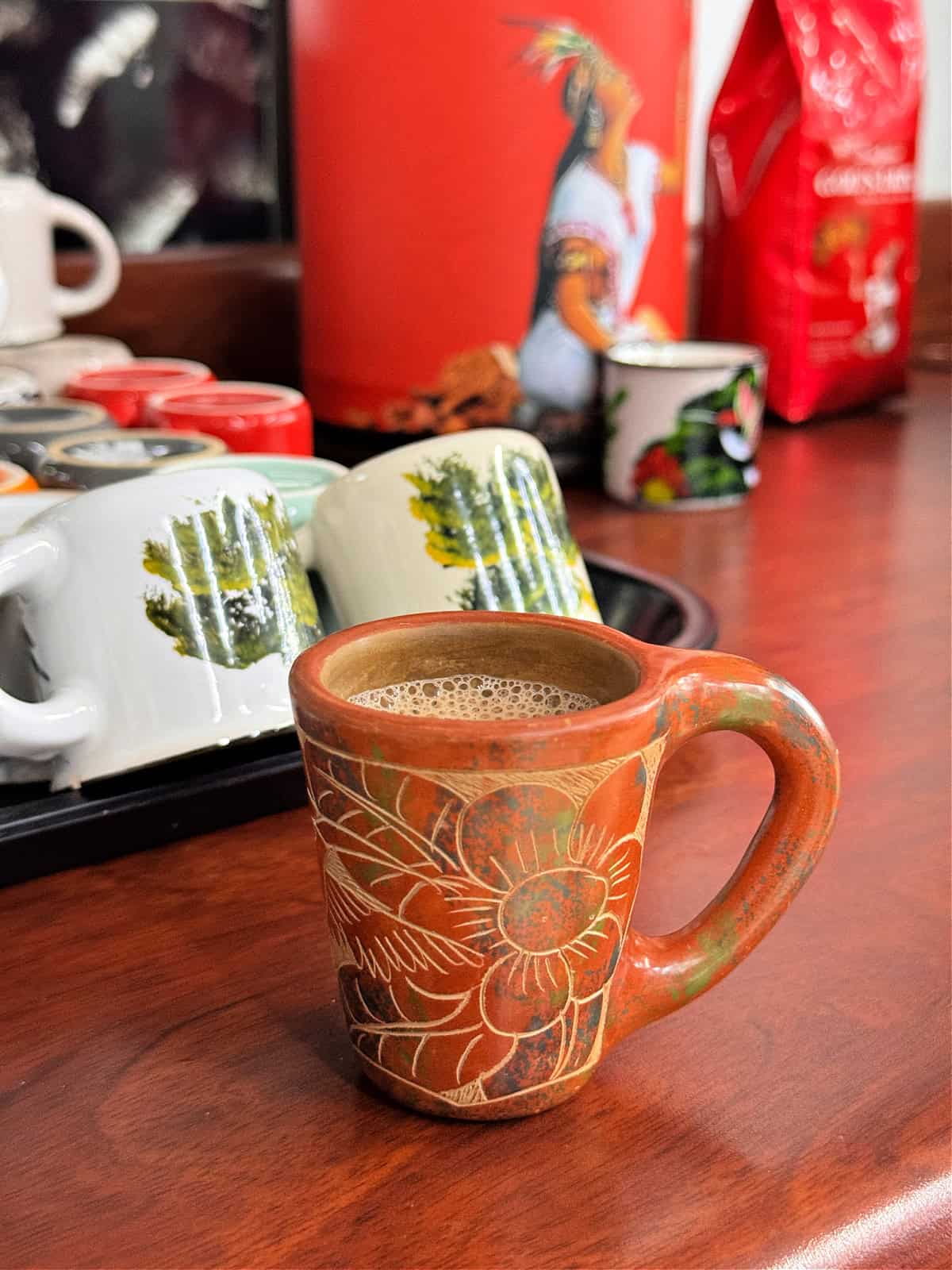
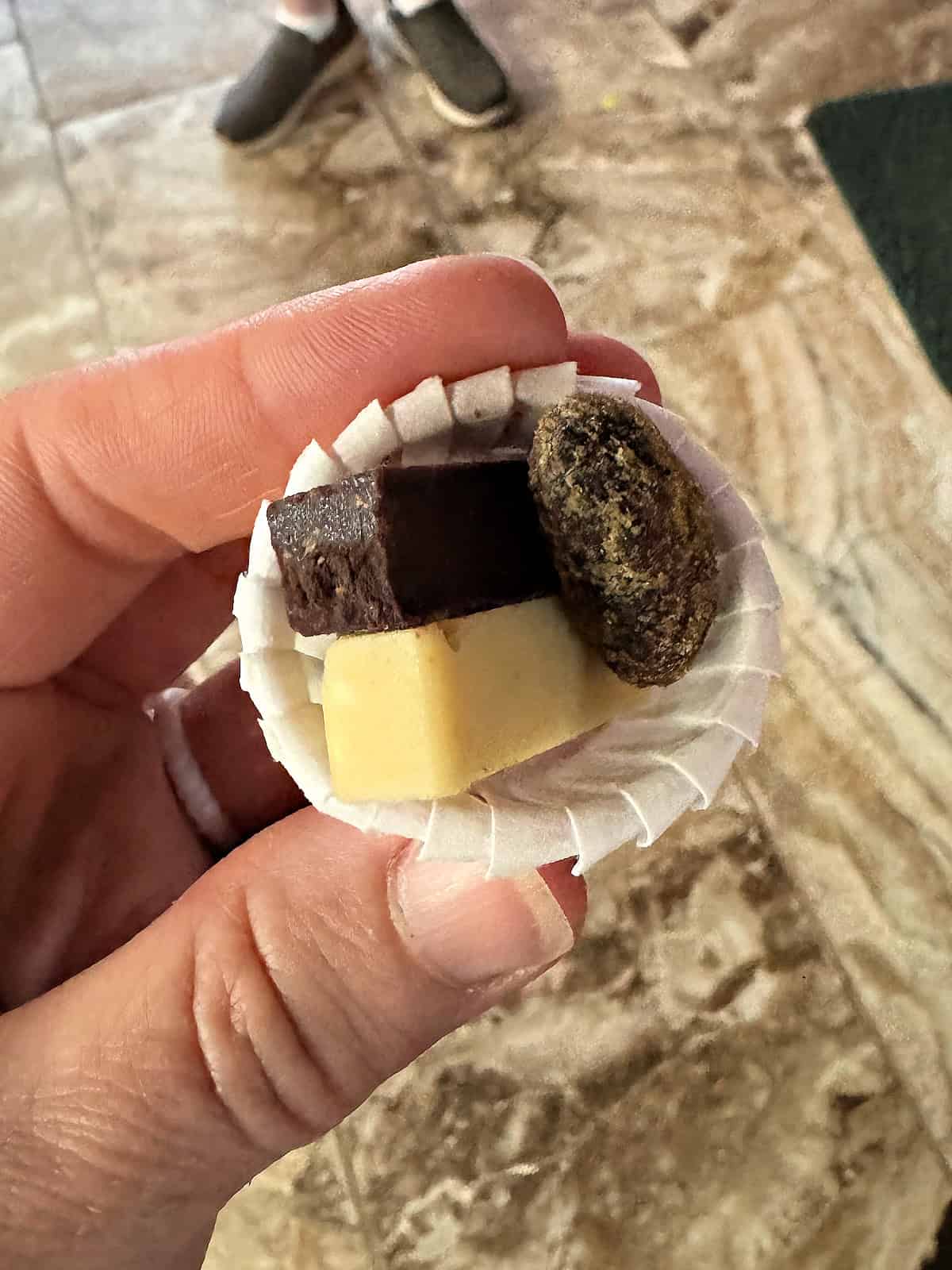
The Don Juan Coffee Tour in Arenal offers a unique experience that combines the history of Costa Rican coffee with a deep dive into the world of chocolate. Whether you’re exploring the coffee cultivation process, tasting fresh small cocoa beans, or marveling at the traditional way of processing coffee, this tour is an enriching and enjoyable way to connect with Costa Rican traditions.
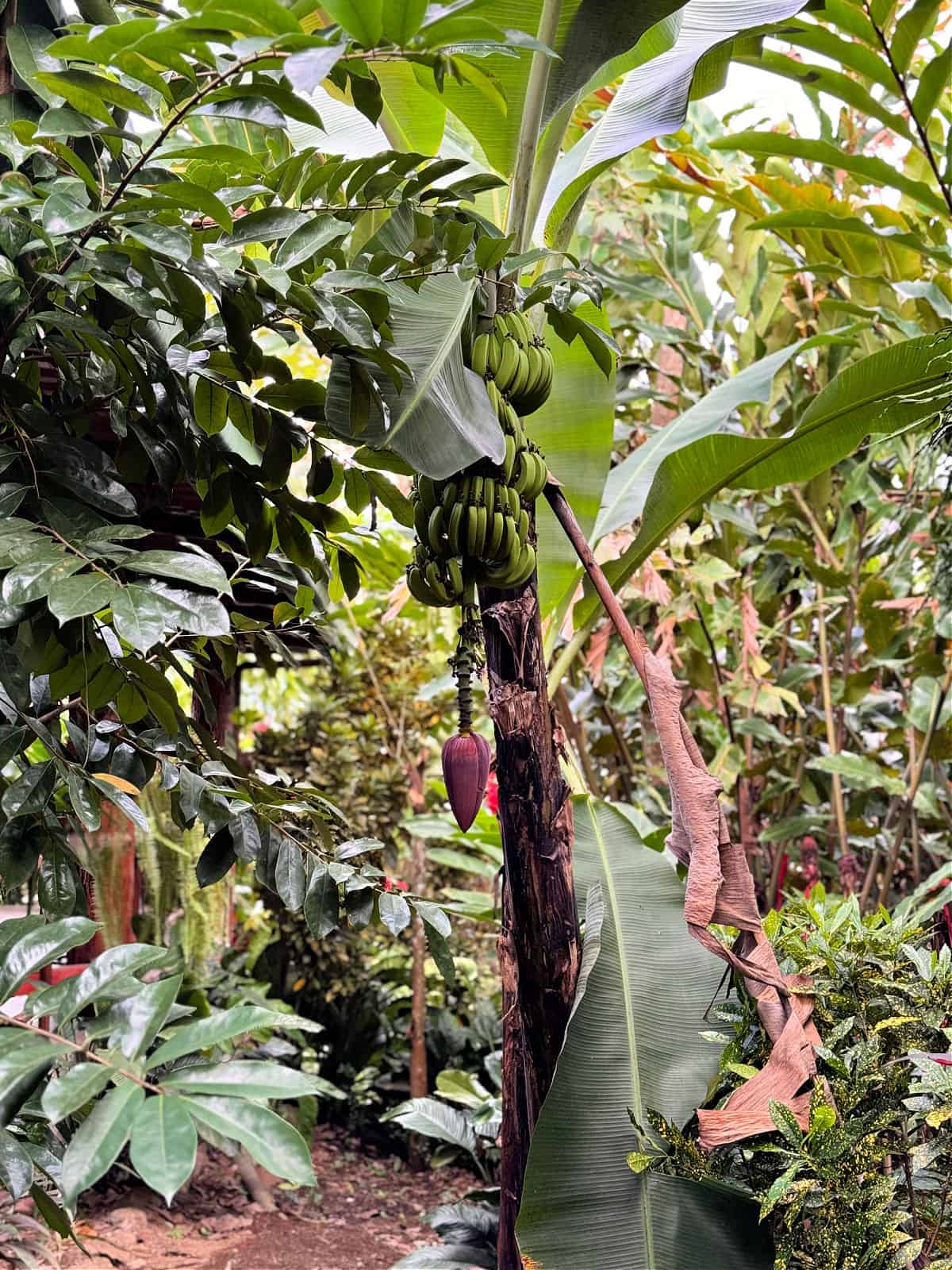
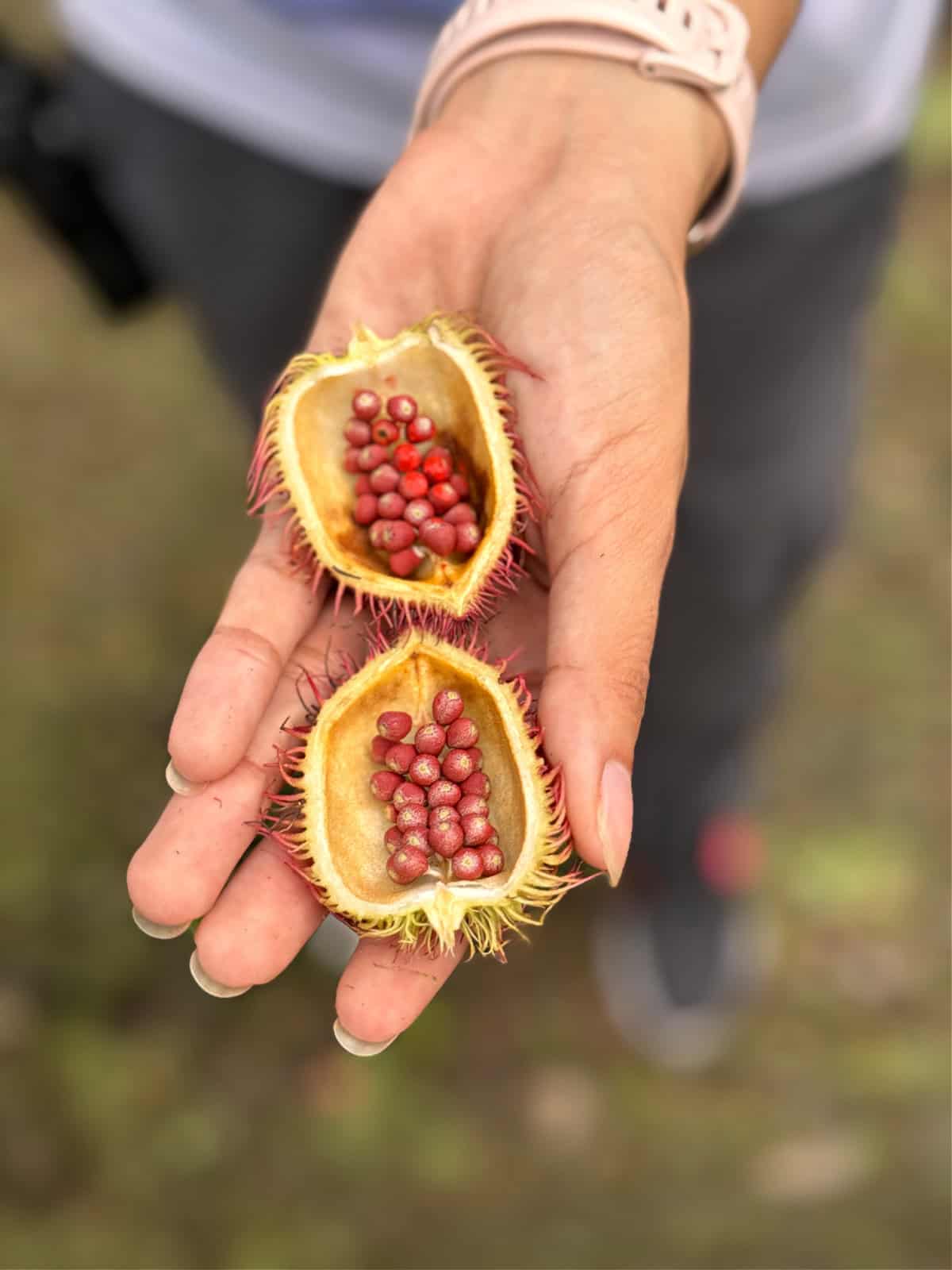
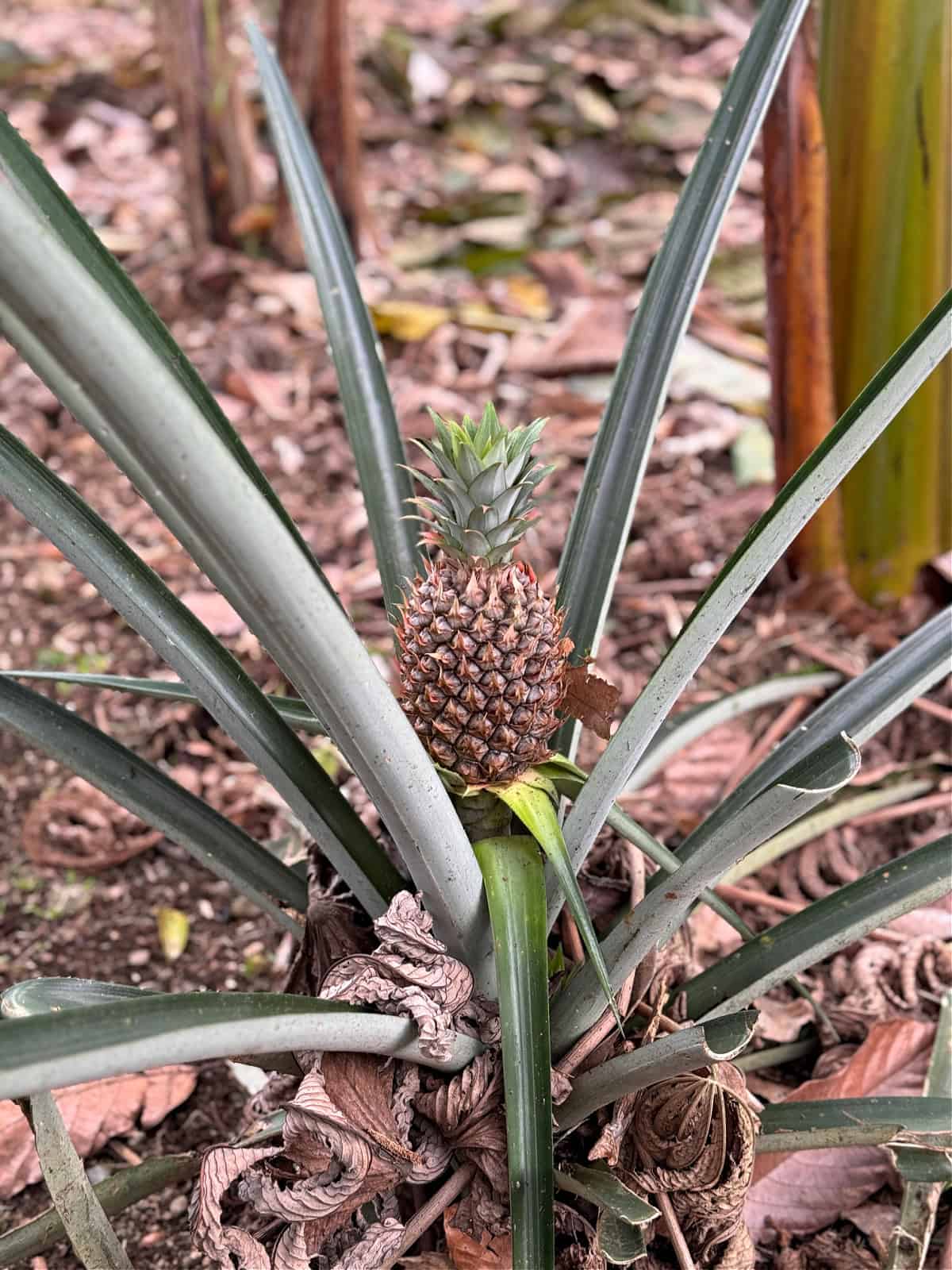


Is the Don Juan Coffee Tour Good for a Rainy Day?
Yes—and this is one of its biggest practical advantages.
The Arenal location currently has covered, paved trails, so you aren’t relying on a sunny Costa Rica afternoon to enjoy the experience.
That makes the Don Juan Coffee and Chocolate Tour particularly handy when you’re building a La Fortuna itinerary. Save the clear skies for volcano views and waterfalls; let Don Juan have one of the rainy stretches.
Is the Don Juan Coffee Tour Accessible?
The Arenal property currently describes its trails as fully accessible for wheelchair users and visitors with baby strollers.
Because the trails are paved and covered, this could also make Don Juan easier for travelers who would rather avoid rough trails or a more strenuous excursion.
If someone in your group has specific mobility needs, I would still contact Don Juan directly before booking so you can confirm that the current setup works for your situation.
Don Juan Arenal vs. Monteverde
Don Juan operates experiences in both Arenal/La Fortuna and Monteverde, so make sure you’re booking the right location.
The Arenal day tour is currently a 2-in-1 coffee and chocolate experience.
The Monteverde location offers additional options involving coffee, chocolate, and sugar cane, along with night-tour combinations.
If your Costa Rica itinerary includes both destinations, compare the experiences before booking rather than assuming they’re identical.
Is the Don Juan Coffee and Chocolate Tour Worth It?
For us, yes.
I especially liked that the experience wasn’t limited to drinking coffee and eating chocolate. We saw the plants, learned about production, tasted cacao in a form I’d never tried before, and came away with a better appreciation for two foods most of us consume without thinking much about where they came from.
It’s also manageable at around two hours, which means you don’t have to surrender an entire vacation day to it.
If you enjoy food experiences, agriculture, or learning how local products are made, I’d put this one on the Arenal list.
What Else to Do Near Arenal
The Don Juan Coffee and Chocolate Tour is easy to combine with other activities around La Fortuna and Arenal.
Arenal Volcano National Park is one obvious choice. The park is about 15 kilometers from La Fortuna and has several trails through the volcanic landscape.
Depending on your schedule, you could also pair the tour with hot springs, a waterfall visit, wildlife watching, or time in La Fortuna.
And if food-focused experiences are your thing, take a look at my Villa Vanilla Spice Tour for another look at how some of Costa Rica’s most familiar flavors grow.
Frequently Asked Questions
The current Don Juan Coffee and Chocolate Tour lasts approximately 2 hours.
As of August 2026, Don Juan lists the Arenal 2-in-1 Coffee and Chocolate Tour at $50 per adult and $20 for children ages 2–13. Always check current pricing before booking.
I recommend reserving ahead rather than showing up and hoping for space, especially if your La Fortuna itinerary is tight.
Both. Don Juan operates separate experiences in Arenal/La Fortuna and Monteverde. Be sure to confirm the location when making your reservation.
The Arenal tour covers the coffee process from plant to cup along with the cacao and chocolate-making process. Our tour also included information about Costa Rican coffee history, agriculture, and the role these crops have played in the country.
Yes. Don Juan Arenal has an on-site shop and currently operates an online store selling coffee, chocolate, cacao products, and souvenirs.
The current tour welcomes children and lists a discounted rate for ages 2–13. The paved, covered trails also make it relatively easy for families using strollers.
Final Call
The Don Juan Coffee and Chocolate Tour gave us a closer look at two things Costa Rica does exceptionally well- and reminded me how much work happens before coffee reaches a mug or chocolate reaches a wrapper.
If you’re headed to Arenal, I’d put this experience on the list, particularly if you enjoy food-centered activities or need something that doesn’t depend on blue skies.
Have you ever tasted fresh cacao fruit straight from the pod? I wasn’t expecting to like it nearly as much as I did. Tell me in the comments – or let me know which Costa Rican food experience I should try next.

where can i buy this and have it shipped to usa?
The coffee?